Fast, Reliable Crawl Space Encapsulation & Vapor Barrier Across Menlo Park
Crawl space encapsulation in Menlo Park typically costs between $5,500 and $14,000 depending on square footage, access, and whether old insulation must be removed first. A standalone vapor barrier installation runs $1,800 to $4,200 for most ranch homes here. We get calls from Menlo Park homeowners every week about musty odors, cupped hardwood floors, and energy bills that don’t match the square footage. Sierra Insulation Pleasanton serves all of Menlo Park neighborhoods including the Willows, Belle Haven, and Sharon Heights. Call (925) 574-6007 for a free on-site assessment and a written quote.
Before we quote anything, we look at what’s actually happening under your house. In Menlo Park specifically, the answer is usually moisture. The marine layer sits over the Peninsula year-round, and crawl spaces in the lower-lying areas east of US-101 hold that humidity against floor joists and subflooring until real damage sets in.
Why Sierra Insulation Pleasanton Is Menlo Park’s Preferred Crawl Space Encapsulation & Vapor Barrier Company
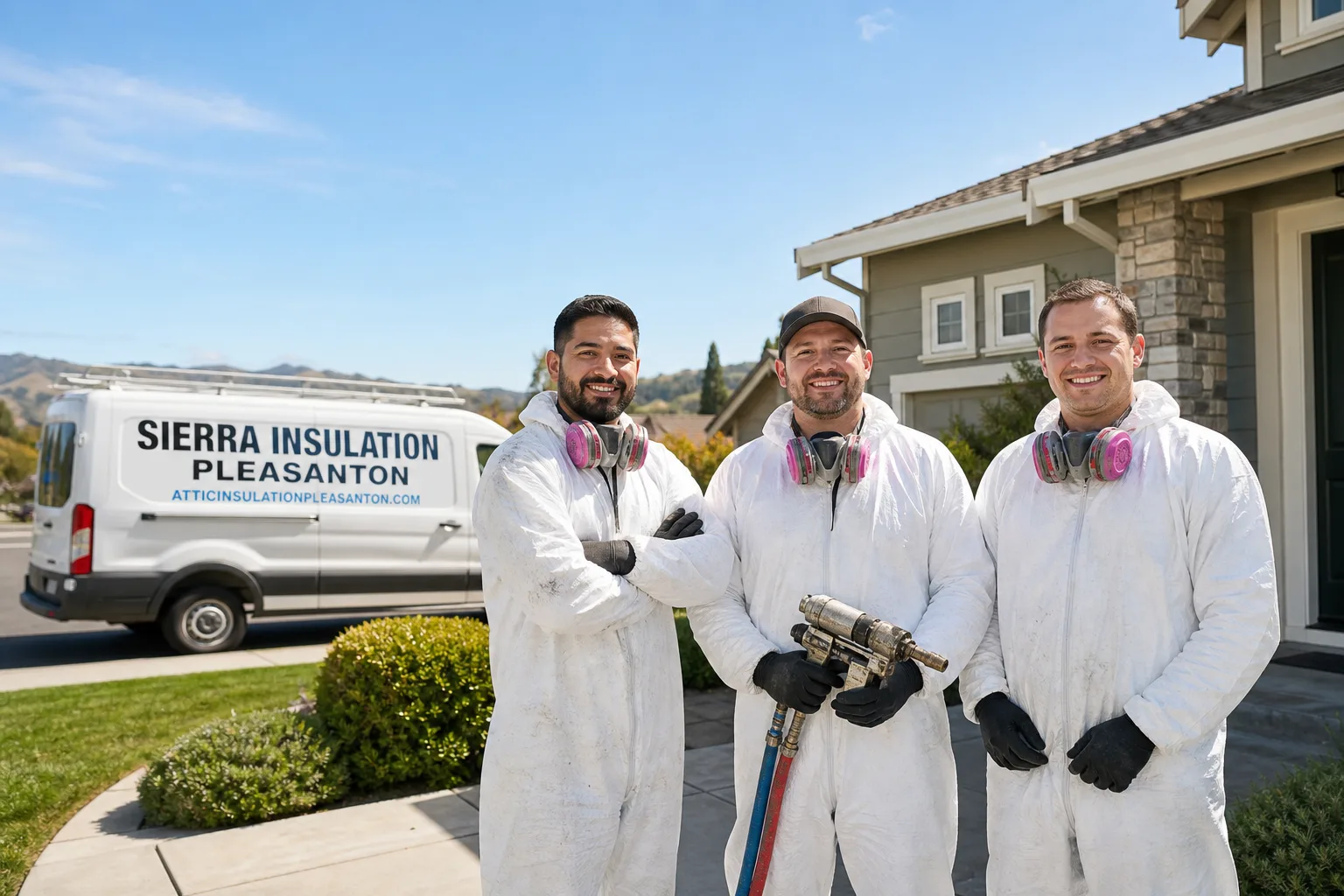
Nate Caldwell, our owner, runs every job personally. That’s not a slogan. When we schedule a crawl space encapsulation in Menlo Park, Nate is the one who shows up in the crawl suit, not a subcontractor who’s never seen the project before. Homeowners in Menlo Park tend to appreciate this because they’ve been burned by rotating crews on renovation projects. You’ll deal with one accountable person from the first moisture reading to the final seam seal.
We also carry eight professional material lines, which matters when the diagnosis points to a specific solution. A dirt-floor crawl space in Belle Haven needs a reinforced vapor barrier and vent sealing. A post-renovation Title 24 compliance job in the Willows might need Rockwool batts that won’t hold Bay moisture after the existing fiberglass fails. We stock Owens Corning, Johns Manville, and Knauf products for Menlo Park jobs, so we don’t have to special-order and delay your project a week.
Response time to Menlo Park is typically same-week. We’re based in Pleasanton, but our service routes bring us down the 280 corridor regularly. For urgent moisture problems, we’ve scheduled Menlo Park assessments within 48 hours. Call (925) 574-6007 and ask for a time slot.
How Menlo Park’s Belle Haven Neighborhood Changes the Encapsulation Job
Here is the thing about Menlo Park that most insulation contractors miss. The City of Menlo Park’s Belle Haven neighborhood, east of US-101, sits low and close to the Bay. The water table is high. The marine layer lingers longer there than it does on the Atherton side of El Camino Real. What we consistently find in Belle Haven crawl spaces is a specific failure mode: mid-century homes that either have no ground vapor barrier at all, or have one so thin it’s torn in a dozen places. The dirt floor emits moisture continuously. That moisture wicks upward through the floor joists and saturates any fiberglass batts tucked between them.
The result is fiberglass insulation that resembles wet newspaper: sagging, compressed, and actively growing mold. In that condition, insulation isn’t just ineffective. It’s a liability. You cannot install new insulation over a damp crawl space in Belle Haven and expect it to hold. The crawl space encapsulation has to happen first. We’ve told this to Menlo Park homeowners who initially called us just for insulation, and it’s honest advice, not an upsell. If the ground moisture isn’t stopped, you’re paying twice.
Our Crawl Space Encapsulation & Vapor Barrier Services in Menlo Park
Crawl Space Vapor Barrier in Menlo Park
A crawl space vapor barrier stops ground moisture from entering your home’s lower envelope. In Menlo Park, we recommend a minimum 10-mil reinforced poly vapor barrier for any dirt-floor crawl space, and 12-mil for homes in Belle Haven or any lot within a quarter mile of the Bay. The barrier is laid across the entire dirt floor, lapped up onto the foundation walls, and sealed at every seam and penetration. In Menlo Park’s older homes, we typically also seal the perimeter rim joist to stop humid outside air from entering through gaps between the sill plate and foundation.
Crawl Space Encapsulation in Menlo Park
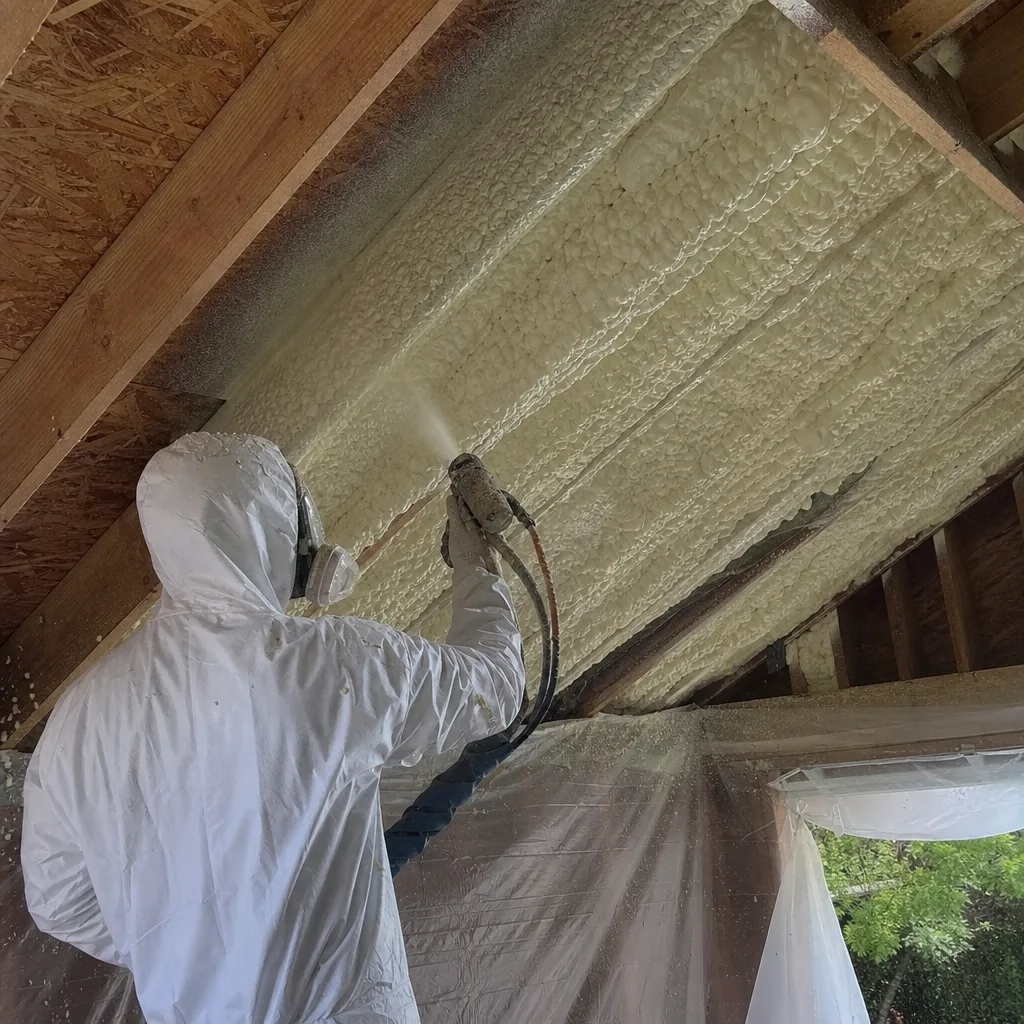
Encapsulation goes further than a vapor barrier alone. The process includes the ground vapor barrier, foundation wall coverage, vent sealing or replacement, and often a dehumidifier sized for the crawl space volume. In Menlo Park, where the marine layer keeps relative humidity above 70% for much of the year, we often recommend encapsulation over a simple vapor barrier, especially if the home has existing musty odors or if a home energy audit has flagged moisture issues. Encapsulation is also the cleanest path to satisfying Title 24 energy compliance after a gut renovation in Menlo Park.
Crawl Space Insulation in Menlo Park
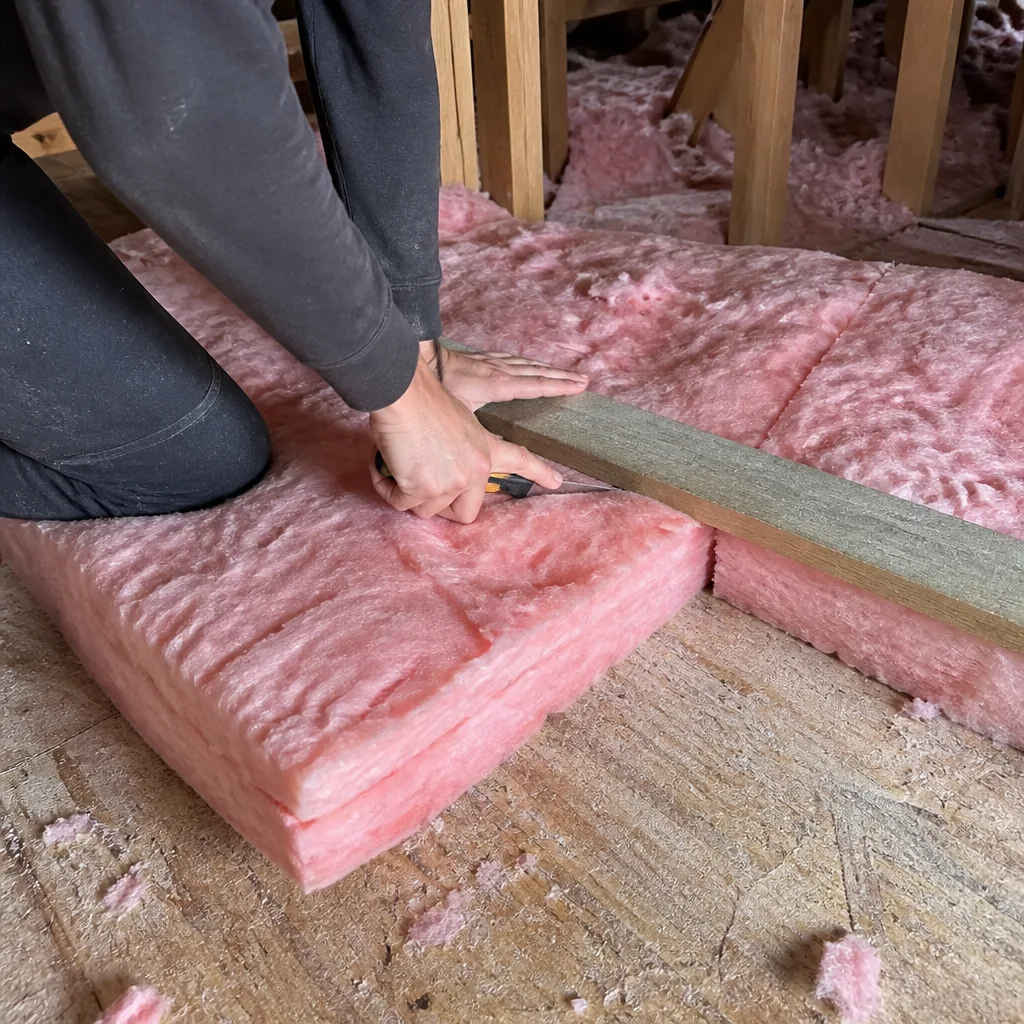
The right time to insulate a Menlo Park crawl space is after the moisture has been addressed. In older ranch homes in the Willows, the original fiberglass batts have usually failed by now – sagging, rodent-damaged, or saturated from Bay humidity. We replace those with Rockwool batts in many Menlo Park jobs because Rockwool is hydrophobic and won’t absorb moisture the way fiberglass will. R-value matters less in Menlo Park’s mild climate than moisture management does. The biggest comfort gain comes from air sealing the rim joist and stopping the damp-air stack effect, not from stacking more R-value on top of a wet floor.
Crawl Space Moisture Control in Menlo Park
Moisture control is the diagnostic art here. In Menlo Park, the source of crawl space moisture depends on the neighborhood. In Belle Haven, the primary source is the high water table and Bay moisture wicking through the soil. In the hills toward Sharon Heights, it’s more often drainage issues: foundation planters that trap water, downspouts that dump too close to the foundation, or a slope that directs surface water toward the crawl space entry. We identify the source first, then prescribe the fix. Sometimes that means a vapor barrier alone; sometimes it means regrading, a sump pump, or a dehumidifier. We find the problem before we sell you the fix.
What happens when you call
- 1
A real person answersNo phone trees — you reach a local pro.
- 2
You get an upfront price rangeHonest numbers before anyone is dispatched.
- 3
A background-checked tech heads outLicensed & insured, dispatched right away.
- 4
You approve before work beginsNothing starts until you say go.
Trusted Brands We Service in Menlo Park
We install and service insulation systems from Owens Corning, Johns Manville, Knauf, and Rockwool, among others. We’re not tied to one brand. If your Menlo Park home’s crawl space needs moisture-resistant mineral wool, we’ll use Rockwool. If you’re matching existing fiberglass specifications for a Title 24 audit, Owens Corning or Knauf is often the better fit. Because we stock parts and materials for these systems, Menlo Park homeowners aren’t waiting on a supply house order while a torn vapor barrier keeps venting moisture under the house.
Common Crawl Space Encapsulation & Vapor Barrier Problems We See in Menlo Park Homes
- Unsealed vents letting in marine-layer humidity. Menlo Park homes built before the 1980s typically have open foundation vents. During summer and fall, when the marine layer is thickest, those vents allow humid air to condense on joists and ductwork, creating rust and mold conditions that require a full cleanout before any vapor barrier can go in.
- No ground vapor barrier at all. Many 1940s through 1970s ranches in Menlo Park were built without any poly on the dirt floor. The exposed soil releases moisture continuously, which rots subflooring over decades and causes hardwood floors above to warp and cup.
- Renovation shortcuts that skip encapsulation. We’re seeing more gut renovations in Menlo Park’s Willows and Belle Haven neighborhoods as tech-wealth buyers upgrade older ranches. When a remodel skips encapsulation to save time, the new engineered hardwood often fails within six to eighteen months because Bay humidity wicks through the unencapsulated crawl space and swells the flooring.
- Saturated, sagging fiberglass batts between joists. In Belle Haven specifically, the combination of high water table and marine layer means that any fiberglass insulation in a vented crawl space is likely already compromised. Once saturated, it does nothing useful and becomes a mold reservoir. That’s why Menlo Park homes below El Camino Real need encapsulation before insulation, fundamentally.
Pricing for Crawl Space Encapsulation & Vapor Barrier in Menlo Park, CA
For Menlo Park homes, expect these ranges before any custom scoping:
- Vapor barrier only (10-mil, sealed seams): $1,900 to $4,100. Price moves with crawl space size and whether we need to remove existing failed liners.
- Full encapsulation (vapor barrier, wall coverage, vent sealing): $5,500 to $11,000. Larger ranch homes in the Willows and Sharon Heights run at the top of this range.
- Encapsulation plus crawl space insulation replacement: $8,500 to $15,500. If the existing fiberglass is saturated (common in Belle Haven), we remove and dispose of it, then re-insulate with Rockwool after the moisture barrier is in.
- Crawl space cleanout before encapsulation: $900 to $2,400 depending on debris volume and whether we’re dealing with rodent droppings or mold-damaged materials.
What moves the price in Menlo Park specifically? Access height. A 24-inch crawl space is faster to encapsulate than an 18-inch one. The condition of the subfloor matters too. If we find joist rot or termite damage, you’ll want a structural opinion before we seal anything over it. We do not mark up materials from the supply house. You pay for the material and the labor, and the quote we give you is the price. Call (925) 574-6007 for a free Menlo Park assessment with exact square footage and a written number.
We Also Serve Cities Near Menlo Park
Our Menlo Park route also covers Atherton, Palo Alto, Portola Valley, and Los Altos. If your home sits near the Menlo Park border, the same owner-led team will handle the job. Same pricing. Same materials. Call us and ask whether we’re already scheduled in your area that week.
Serving Menlo Park, CA — Our Local Coverage Area
We’re based in the Menlo Park area and know this community well. Use the map below to see our service coverage — if you’re nearby, we can almost certainly help.
FAQs — Crawl Space Encapsulation & Vapor Barrier in Menlo Park
Because the existing moisture load makes insulation pointless until it’s gone. In Belle Haven, the high water table and Bay humidity keep crawl space air near saturation. Any fiberglass batt installed in those conditions will absorb that moisture again within months. We encapsulate first to stop the ground moisture, then insulate. It’s the difference between solving the problem and just paying for it twice. Call (925) 574-6007 and we’ll walk your crawl space before quoting anything.
Yes. Title 24 compliance in California looks at the building envelope, including the floor over unconditioned space. An unencapsulated crawl space with open vents and missing vapor barrier drags down the overall energy performance of the home. Encapsulation plus rim joist air sealing is one of the most common compliance upgrades we do on renovated Menlo Park homes. We recently finished a Willows project where the homeowner’s Title 24 audit passed on the first attempt after we encapsulated and re-insulated. Call us early in your renovation timeline so encapsulation isn’t a surprise after the inspector visits.
For most Menlo Park homes, we recommend a minimum 10-mil reinforced poly. For Belle Haven properties east of 101, or any crawl space with a visible damp floor, use 12-mil. The reinforcement matters more than the raw mil thickness. A 12-mil un-reinforced liner tears during installation and fails at the seams. A 10-mil reinforced liner from a professional-grade brand holds up to foot traffic and future service work. We use reinforced poly for Menlo Park jobs by default.
Almost always, yes. The old fiberglass in unencapsulated Menlo Park crawl spaces is usually saturated, compressed, and contaminated with rodent waste or mold. You don’t want to seal that inside a newly encapsulated space. We remove and bag the failed material, sanitize the joists where needed, install the vapor barrier, and only then consider new insulation if the home’s energy needs call for it. Leaving the old batts in place under a new vapor barrier is a shortcut that creates indoor air quality problems later.
Most Menlo Park homeowners notice within two to four weeks that the musty smell fades and the house stops feeling damp during the marine-layer months. That’s the stack effect at work: air from the crawl space rises into the living spaces through gaps in the subfloor and rim joist. When the crawl space is dry and sealed, that stack effect stops carrying moisture and mold spores upward. If you’ve been running a dehumidifier inside the house and it’s still musty, the crawl space is the likely source. Call (925) 574-6007 and ask Nate to do a moisture reading under your house.
Get a Free Menlo Park Crawl Space Assessment
If you’re smelling musty air, seeing cupped floors, or prepping for a Title 24 inspection on a Menlo Park renovation, call (925) 574-6007. Nate will assess the crawl space himself, show you what’s actually happening down there, and give you a written quote with the scope broken out line by line. No pressure, no subcontractor roulette. Just a sealed, insulated, and verified crawl space that works for Menlo Park’s humidity, not against it.
Written by Nate Caldwell, Owner at Sierra Insulation Pleasanton, serving Menlo Park crawl space encapsulation and vapor barrier clients across the Peninsula.