

Fast, Reliable Attic Insulation Across Cupertino
Attic insulation in Cupertino typically costs between $1,800 and $6,500 depending on attic size, existing material condition, and whether air sealing or ventilation work is included. Most jobs we take on in the city are completed in a single trip. That matters when you’re dealing with a 1960s ranch off McClellan Road or a hillside home near Monta Vista where the attic has been baking and freezing through fifty Silicon Valley summers and winters. Nate Caldwell leads every installation personally, and he knows exactly how Cupertino’s housing stock behaves under load. Call (925) 574-6007 for a straight answer about your attic.
Key Takeaways
- Cupertino homes built between 1958 and 1985 almost always have compressed or settling original insulation that reads far below its labeled R-value.
- ADU conversions and garage remodels in Cupertino create attic conditions that standard batt retrofits can’t properly address.
- Hillside neighborhoods like Monta Vista lose more radiant heat at night than flat-valley cities two miles east, making attic replacement a real comfort fix.
- We handle blown-in, batt replacement, air sealing, and ventilation prep in one visit. No handoffs to unknown crews.
Why Sierra Insulation Pleasanton Is Cupertino’s Preferred Attic Insulation Company
We work on Cupertino homes because we understand what was installed in them fifty and sixty years ago, and what happens to it. The original fiberglass batts in a 1963 split-level off Stevens Creek Boulevard are not the same material you’d buy today. They’ve compressed, collected dust, and in many cases settled to a fraction of their original thickness. We see it weekly. The homeowner notices it as a bedroom that won’t hold heat in January, or an upstairs hallway that turns stuffy by 3 p.m. in August.
Our Attic Insulation team handles the whole thermal envelope, not just the floor of the attic. That means air sealing top plates, replacing baffles, addressing crawl space exchange, and verifying the result. The owner is on every job as the lead installer. When you call about a Cupertino attic, the person who answers is the person who shows up with the hose and the blower. That accountability angle is not marketing language. It’s how the company operates.
We also see Attic Insulation in Cupertino work that most insulation-only contractors won’t touch. Garage conversions with uninsulated concrete slabs. Backyard cottages with irregular framing. Attics above poorly vented ranch additions. These are common here, and they demand a diagnostic approach rather than a one-size batt drop.
Our Attic Insulation Services in Cupertino
Blown-In Attic Insulation
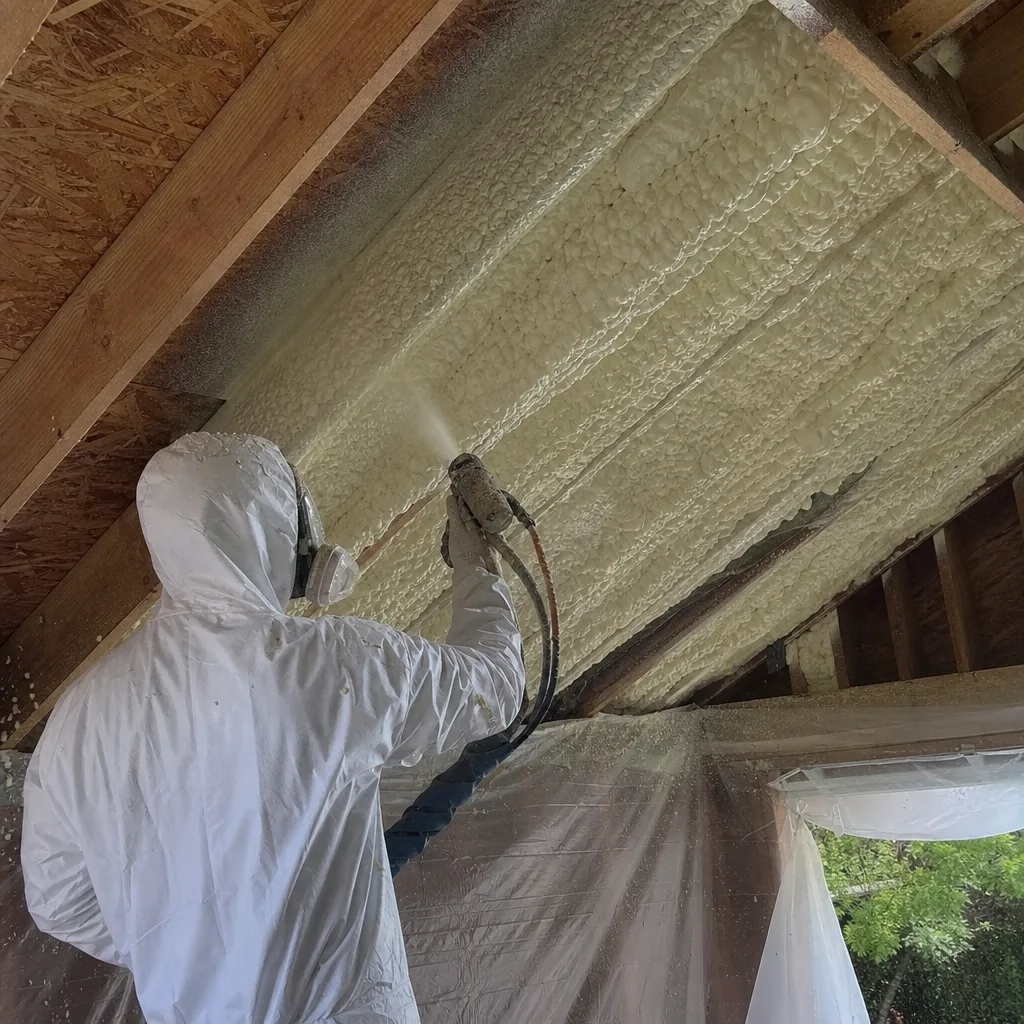
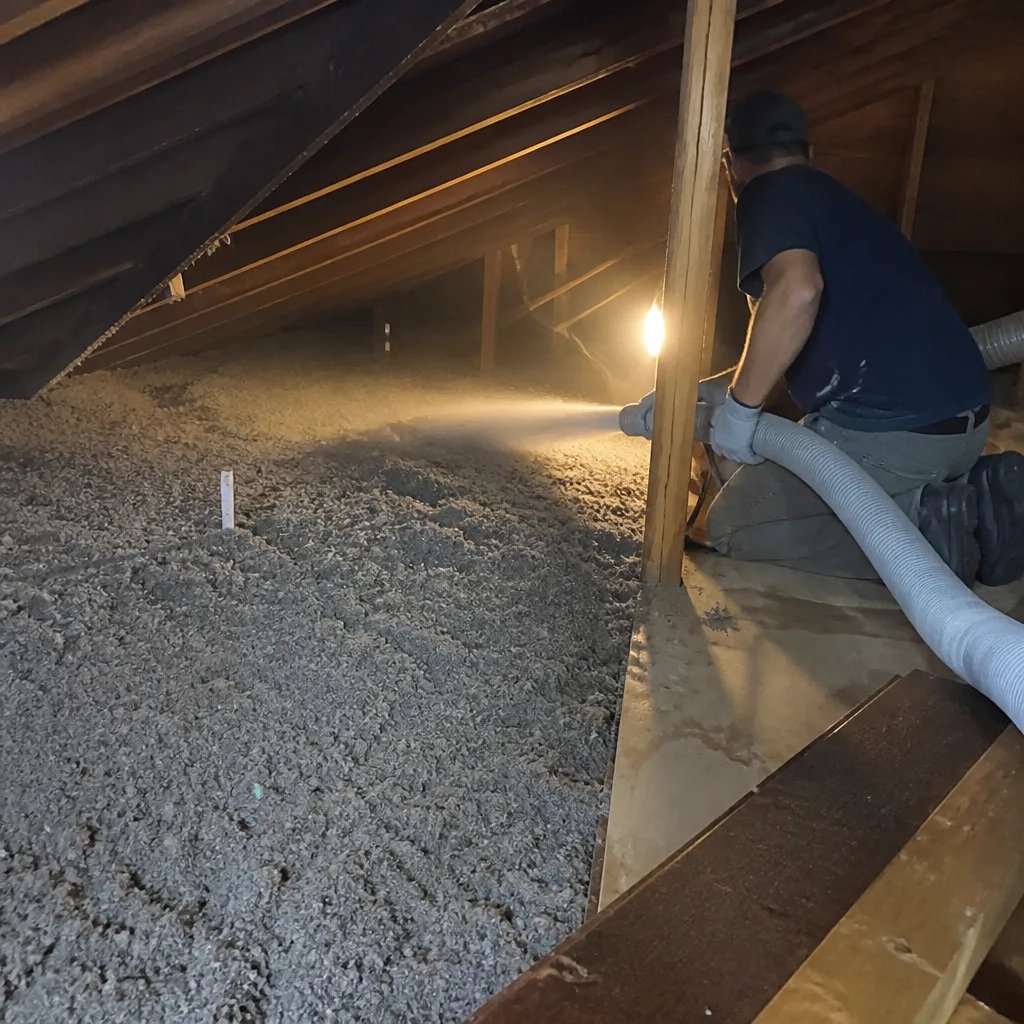
Blown-in insulation is the workhorse solution for most Cupertino attics. We use GreenFiber cellulose and Owens Corning or Johns Manville fiberglass depending on the home’s conditions and the homeowner’s material preferences. The job works well in ranch and split-level attics with accessible truss or rafter spaces, and it lets us hit exact R-value targets without disturbing the living space. For a typical Cupertino ranch, blown-in to R-49 runs $2,200 to $4,800, depending on square footage and prep work.
Attic Batt Insulation
Batt insulation makes sense when an attic has regular joist spacing and the homeowner wants clean, batt-and-roll installation. We stock Rockwool and Owens Corning batts, and we install them with the same attention to air sealing that blown-in jobs get. In Cupertino’s older tract homes, we often find batt cavities that were never properly filled to begin with. Correcting that and re-batting to current code makes an immediate difference in rooms directly below the attic.
Attic Insulation Top-Up
A top-up is right when the existing insulation is in decent condition but shallow. Many Cupertino homes have R-11 or R-13 batts that were installed once and never revisited. We can blow additional cellulose or fiberglass over the top to bring the attic to R-38 or R-49. This is the most cost-effective upgrade for homeowners who don’t need full replacement. The job usually runs $1,200 to $2,600 depending on attic size, and we complete most top-ups in a single afternoon.
Attic Insulation Replacement
Replacement is what we recommend when the existing material has compressed, gotten wet, or been contaminated by rodents. In Cupertino, this is more common than homeowners expect. Attics above kitchens and bathrooms trap moisture. Rodents move in through roofline gaps and tear up batts. When that happens, adding new insulation on top doesn’t fix the problem underneath. We remove the old material, air seal, address any rodent entry points, and install fresh insulation from a clean deck. Full replacement in Cupertino typically runs $2,800 to $6,500.
What happens when you call
- 1
A real person answersNo phone trees — you reach a local pro.
- 2
You get an upfront price rangeHonest numbers before anyone is dispatched.
- 3
A background-checked tech heads outLicensed & insured, dispatched right away.
- 4
You approve before work beginsNothing starts until you say go.
Trusted Brands We Service in Cupertino
We keep eight professional material lines in active rotation, not because inventory is convenient but because different Cupertino homes need different properties, including Reflectix service in Cupertino when the conditions call for it. Owens Corning and Johns Manville fiberglass cover most blown-in and batt work. Rockwool handles fire resistance and moisture tolerance where the home calls for it. Knauf rounds out the fiberglass options. When a homeowner wants a specific material, we stock it and install it correctly. We don’t substitute based on what’s left in the warehouse.
Common Attic Insulation Problems We See in Cupertino Homes
- Compressed original batts from the orchard-to-suburb build-out. Homes built between 1958 and 1985 in Cupertino went up fast and cheap on the insulation front. Fifty years later, those batts are often a sliver under the roof sheathing, doing almost nothing. On the western hillsides, this shows up as winter heat loss.
- Unsealed attic bypasses around recessed lights and top plates. Cupertino’s swing-prone climate means these leaks cause comfort complaints year-round. Warm air escapes in winter, and in summer the attic acts like a convection oven pushing heat into the rooms below.
- Garage-conversion ADUs with no wall cavities to work with. The ADU boom in Cupertino means a lot of attics sit above converted garages or new backyard cottages where spray foam is the only practical route. Cheap batt retrofits leave these spaces hot and stuffy.
- Uninsulated crawl spaces undermining attic work. Many ranch and split-level tract homes in Cupertino have vented, uninsulated crawl spaces. The stack effect pulls attic air through the whole house, so new attic insulation underperforms until the full thermal envelope is addressed.
Pricing for Attic Insulation in Cupertino, CA
A blown-in top-up in Cupertino runs $1,200 to $2,600. Full blown-in to R-38 or R-49 runs $2,200 to $4,800 for a standard ranch attic. Complete removal and replacement runs $2,800 to $6,500, with the higher end driven by rodent remediation, air sealing, or ventilation prep. Garage-conversion and ADU attics with spray foam conditions start around $3,500 and climb based on framing complexity. These are real ranges from jobs we’ve done in Cupertino, not national averages. Call (925) 574-6007 with your square footage and we’ll give you a precise number. Estimates are free.
We Also Serve Cities Near Cupertino
Our service area extends through the South Bay and Peninsula. We regularly work in Saratoga, Mountain View, Campbell, and Los Altos for Cupertino homeowners who are also helping parents or managing rental properties nearby. One team, one standard, across the whole stretch of the valley.
Serving Cupertino, CA — Our Local Coverage Area
We’re based in the Cupertino area and know this community well. Use the map below to see our service coverage — if you’re nearby, we can almost certainly help.
FAQs — Attic Insulation in Cupertino
Monta Vista sits at the base of the Santa Cruz Mountains and runs measurably cooler on summer nights while losing more radiant heat in winter than flat-valley cities directly east. That hillside exposure means under-insulated attics fail harder here. We typically recommend a higher R-value target and more attention to air sealing on Monta Vista homes than we would on an equivalent square-foot house in Sunnyvale. Call (925) 574-6007 and we’ll walk through what your specific street and orientation actually need.
Yes, but it almost always requires spray foam rather than batt work. Cupertino’s garage conversions are typically built on uninsulated concrete slabs with irregular framing and no true wall cavities. The attic space above them traps heat because the thermal break is incomplete. We use Icynene and Demilec spray foam systems for these conditions. If someone quotes you a fiberglass batt retrofit for a converted garage attic in Cupertino, get a second opinion. We handle these jobs end to end.
Most of them do. The original fiberglass batts in Cupertino tract homes were installed when Santa Clara County had no meaningful energy code. Fifty years of compression, moisture, and rodent activity leaves them at a fraction of their labeled R-value. We typically recommend full replacement rather than top-up when the existing material tests below R-13 or shows contamination. A top-up over compromised material wastes the new insulation. Replacement runs $2,800 to $6,500 depending on attic size and prep.
Yes, and in Cupertino it’s often the highest-impact retrofit available. The city’s Mediterranean climate swings between winter lows and summer highs, and unsealed attic bypasses cause comfort problems in both seasons. In winter, warm air escapes through top plates and can lights. In summer, attic heat pushes into living spaces through those same gaps. Air sealing before insulation improves the performance of either blown-in or batt material. We include sealing as a standard part of every replacement and most top-up jobs.
Yes, in almost every case. Cupertino ranch homes have soffit vents that get blocked when insulation is blown to depth. Baffles keep the airflow channel open, which prevents moisture buildup in winter and reduces attic overheating in summer. For homes with existing baffles that are cracked or missing, we prep the roofline before installing blown-in material. Skipping this step creates condensation problems that show up a year or two later. We include baffle installation and ventilation prep in every comprehensive attic quote.
One-Trip, Heavy-Duty Upgrades for Cupertino Homes
Cupertino’s ADU boom has reshaped the local insulation market in ways you won’t see in Sunnyvale or Santa Clara. Backyard cottages and garage conversions now make up a significant share of the work we take on here. These structures weren’t designed for conventional insulation. They have concrete slabs, irregular framing, shallow roof planes, and no wall cavities worth mentioning. The attic space above them becomes a heat trap that cheap batt retrofits can’t fix.
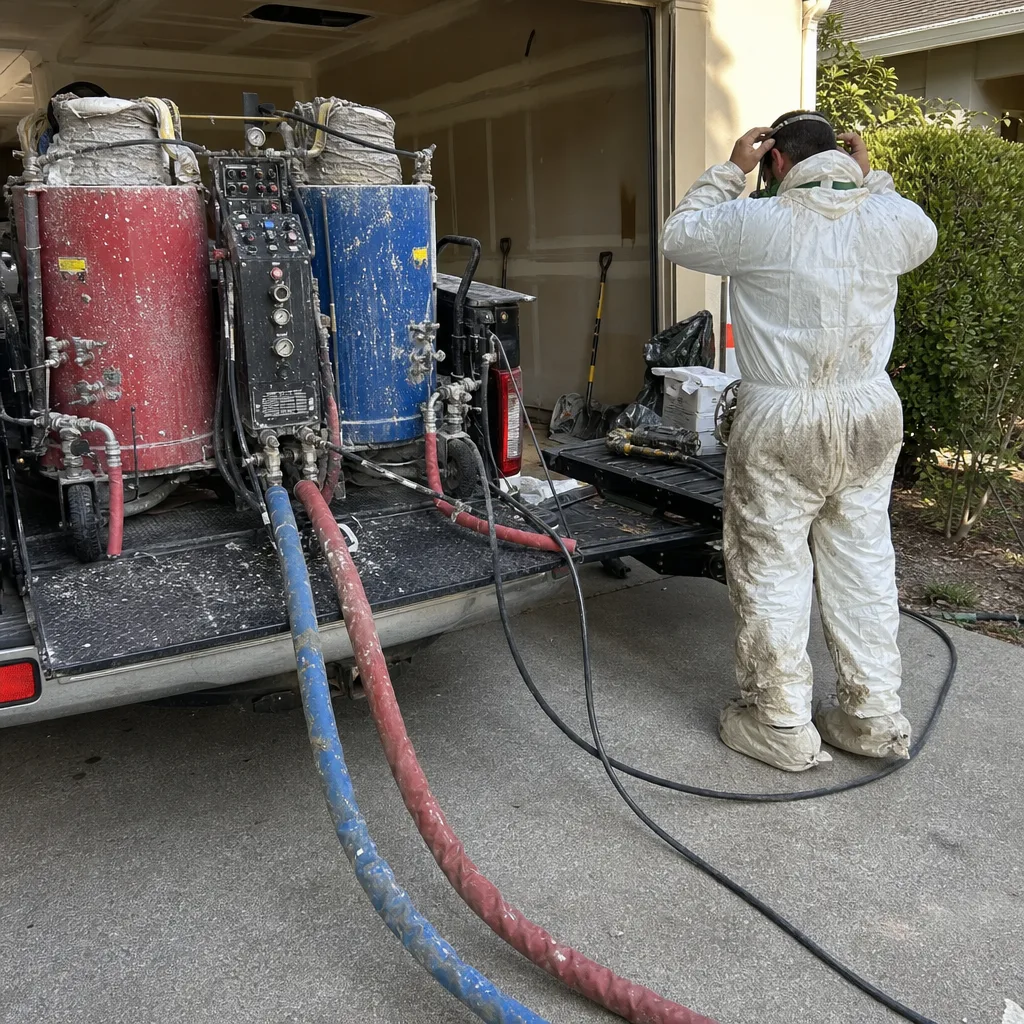
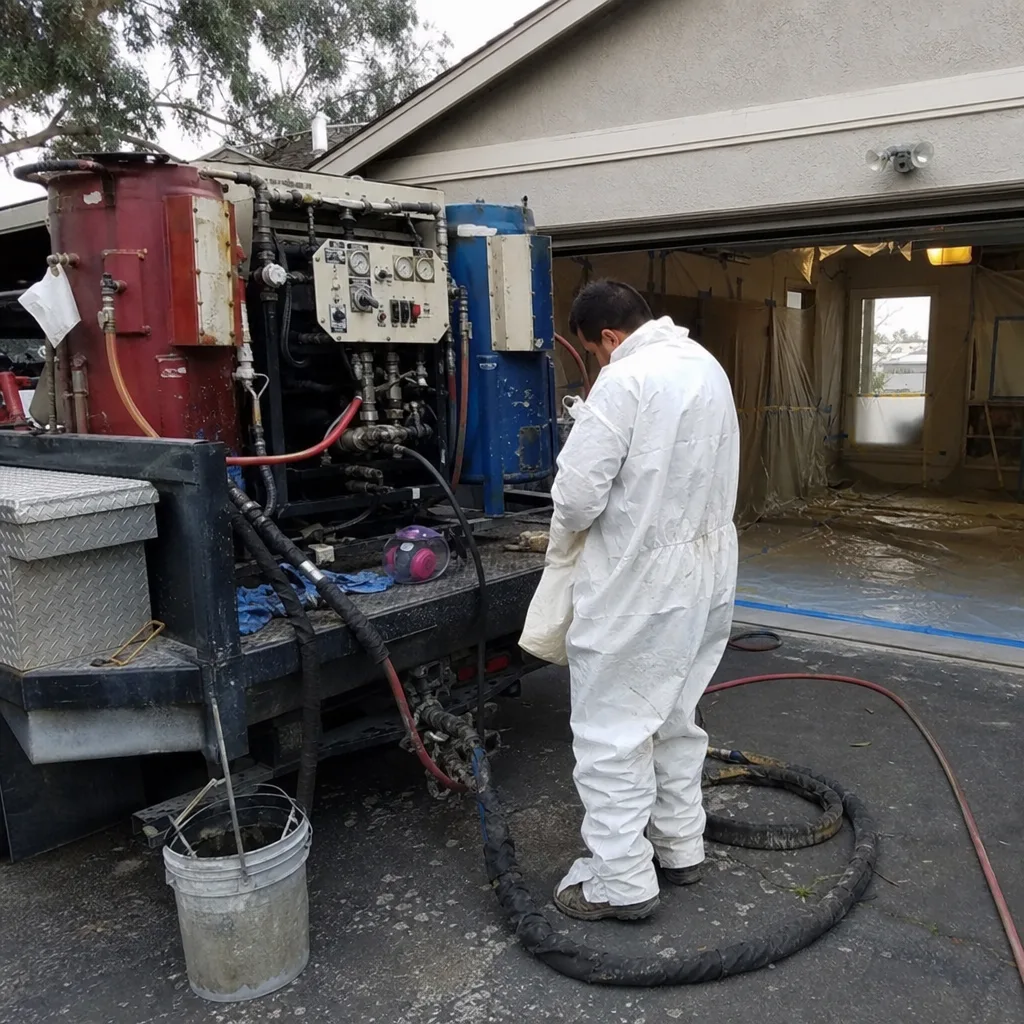
We approach these jobs as one-trip, heavy-duty upgrades. In a standard garage conversion ADU off De Anza Boulevard, we’d typically spray-foam the underside of the roof deck, air seal the framing intersections, and install ventilation prep where the roof design allows. No second visit. No handoff to a different crew. Nate Caldwell runs the spray rig and the blower, and the homeowner gets a sealed attic that actually holds temperature. That’s the difference between an insulation contractor and a specialist who understands a thermal envelope.
The same one-trip discipline applies to ranch homes in neighborhoods like Seven Springs and Rancho Rinconada. Homeowners there don’t want a three-day process stretched across two weeks. They want the job scoped correctly, priced before we start, and finished the same day. We stock the materials, plan the access, and show up ready to work. Cupertino drives mean longer returns to the shop for forgotten parts, so we don’t forget parts. The truck is loaded for the job as quoted.
In Monta Vista, we re-insulated a 1962 ranch attic where the original fiberglass batts had compressed to under R-11. The homeowner asked for a one-trip solution: we dense-packed the 2×6 cavities with GreenFiber cellulose, air-sealed the top plates and can lights, and installed baffles before topping with Owens Corning blown-in to R-49. The result was a measurable drop in winter heat loss from the hillside exposure and no second visit needed.
The homeowners we work with in Cupertino ask smart questions. They want to know what R-value their attic currently has, what it should be, and what material makes sense for their roof geometry and orientation. They’re often engineers or technical professionals who respond to straight answers and specific numbers. We give those answers. If your attic needs replacement, we’ll tell you. If a top-up will do the job, we’ll tell you that too. The diagnostic comes before the prescription, and the quote reflects what we actually find.
Outdoor work on a Cupertino hillside in July is different from the same job on a flat lot in Campbell. The roof angles are steeper. The attic temperatures run hotter earlier in the day. The wind off the Santa Cruz Mountains pushes moisture into vented soffits in a way it doesn’t inland. These are things you learn by doing the work, not by reading a spec sheet. We’ve learned them on Cupertino roofs.
When you’re ready for a straight assessment, call (925) 574-6007. We’ll ask about your house’s age, your attic access, and the comfort issues you’re noticing. Then we’ll schedule a time to look at it in person. The estimate is free, and the number we give you is the number you’ll pay unless we find something significant after the inspection. No upsell games. No rotating subcontractors. Just Nate and the tools, same day, done right.
Written by Nate Caldwell, Owner at Sierra Insulation Pleasanton, serving Cupertino and the South Bay.