Fast, Reliable Attic Insulation Across Sunol
Attic insulation in Sunol isn’t a luxury upgrade. It’s the single highest-impact fix for homes sitting in a valley that swings 20°F or more between frost-chilled nights and triple-digit afternoons. Sierra Insulation Pleasanton handles Sunol attics as true rural retrofits: older ranch homes, detached workshops, and agricultural outbuildings that were never built to modern thermal standards. Our owner, Nate Caldwell, leads every Sunol job personally. That means the person who sizes your insulation, cuts your baffles, and checks your Chapter 7A fire-code compliance is the same person you called. No handoff. No unknown crew. Call (925) 574-6007 for a free estimate, and we’ll schedule around your Sunol property’s access and schedule.
Why Sierra Insulation Pleasanton Is Sunol’s Preferred Attic Insulation Company
Sunol is not a tract-home market. The homes along Main Street, the ranch properties off Kilkare Road, and the spread-out parcels near the Sunol Regional Wilderness each have their own attic geometry, vent configuration, and thermal history. We’ve worked in enough of them to know what we’ll find before we lift the hatch. That local pattern recognition saves Sunol homeowners real money: we don’t bill for diagnostic hours while figuring out what a Fremont or Pleasanton crew would need a day to identify.
Nate Caldwell has personally reinsulated Sunol attics where the original 1960s fiberglass had slumped to R-11 or less. He’s corrected vent-blocking insulation jobs that trapped moisture in winter and drove cooling bills through July. And because Sunol sits almost entirely inside a High or Very High Fire Hazard Severity Zone, he’s one of the few insulation specialists in the area who treats California Building Code Chapter 7A not as an edge case, but as the starting point for every material decision.
We respond to Sunol calls quickly. A typical attic insulation job in Sunol gets scheduled within days, not weeks. For homeowners discovering storm damage or rodent-chewed insulation, we can usually assess the attic same-week. You get the owner on site, a clear written scope, and a recommendation based on your actual attic conditions, not inventory convenience.
Our Attic Insulation Services in Sunol
Your Sunol attic needs more than just the right R-value. It needs the right material in the right places, vents that still breathe, and an installation that will hold its rating through 20-degree winter frost and 100-degree summer afternoons. Sierra Insulation Pleasanton covers the full scope of Attic Insulation work, and we tailor every Sunol job to the home’s actual construction and fire-zone requirements.
Blown-In Attic Insulation
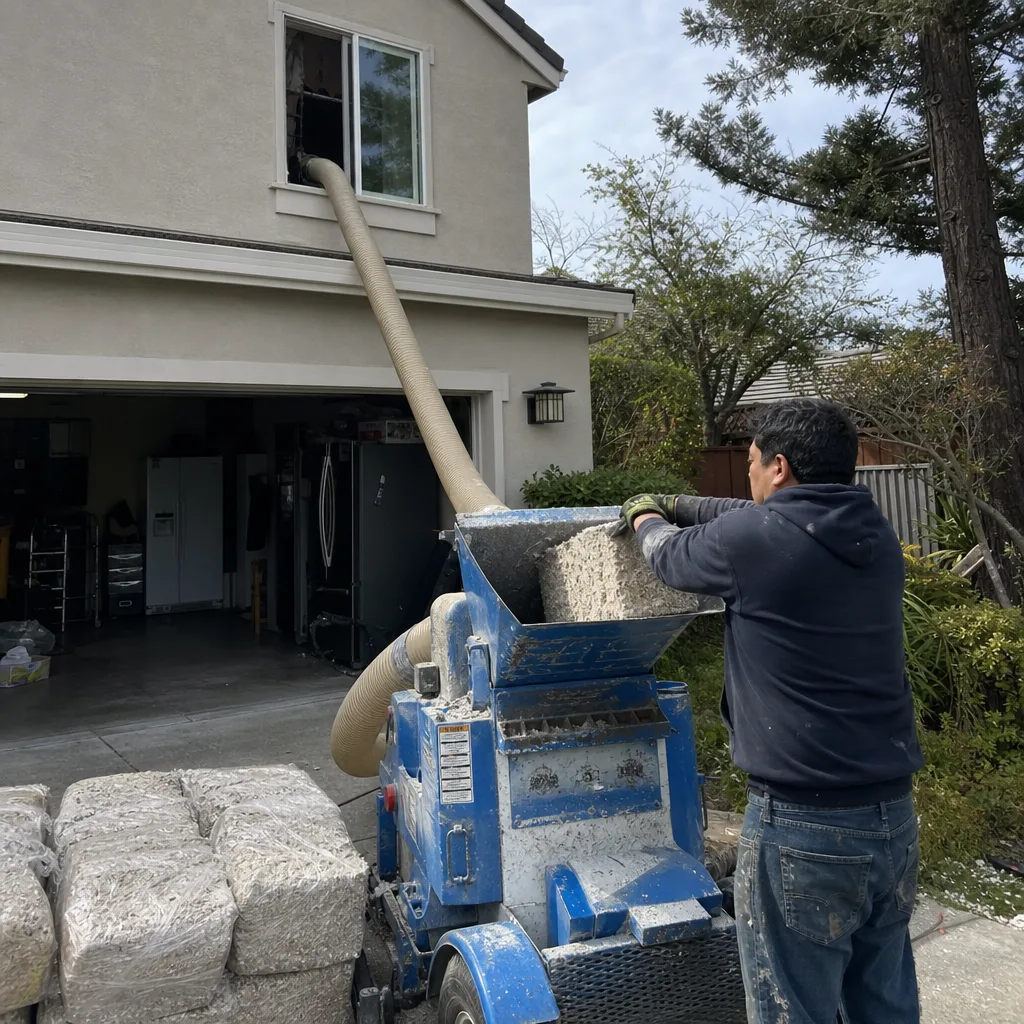
For Sunol attics with open, accessible cavities and proper vent baffles, blown-in insulation provides fast, even coverage at a competitive cost per R-value. We run blown-in fiberglass and mineral wool from stock, and we install it with the discipline Sunol’s fire hazard zone demands. Loose-fill material blown too close to attic vents or eaves can trap embers, which is a direct code violation under Chapter 7A. We keep it contained, keep it consistent, and verify depth in every bay.
Attic Batt Insulation
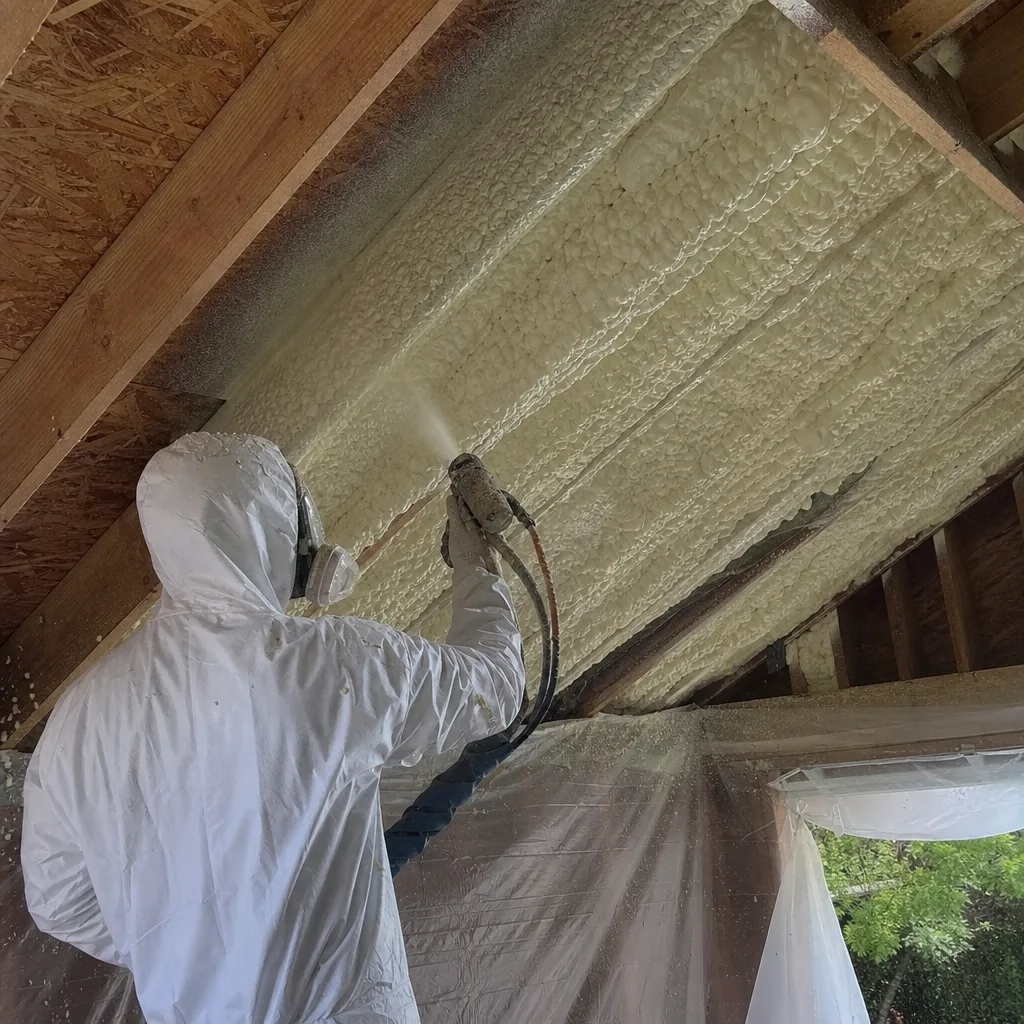
Batt insulation makes the most sense in Sunol’s older ranch homes and low-clearance attics where blown-in material would drift or settle unevenly. We cut Johns Manville and CertainTeed batts precisely around framing, vent chutes, and can light housings. The difference between a batt job that actually holds R-value and one that leaks at every seam is knifework and patience. We’ve seen too many Sunol attics where rushed batt installs left finger-width gaps along the top plates; those gaps add up to a window left open all winter.
Attic Insulation Top-Up
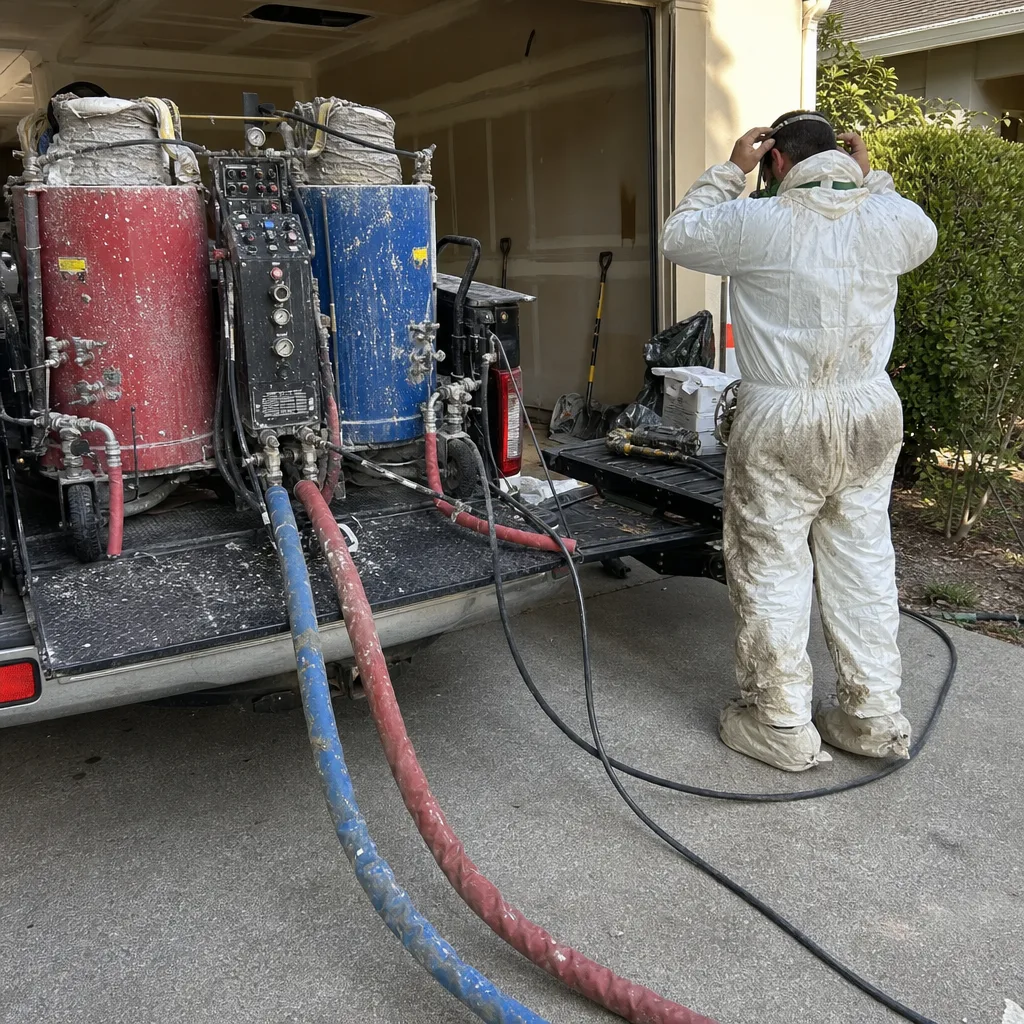
If your Sunol home already carries a base layer of insulation that’s just under-performing rather than fully compromised, a top-up may be the right call. We assess the existing material’s condition first: compression from storage, rodent contamination, moisture staining near bathroom vents, or old fiberglass that’s settled below the joist tops. A clean, dry base layer can support additional blown-in coverage. A wet or contaminated one cannot. We’ll tell you which you have before we quote anything.
Attic Insulation Replacement
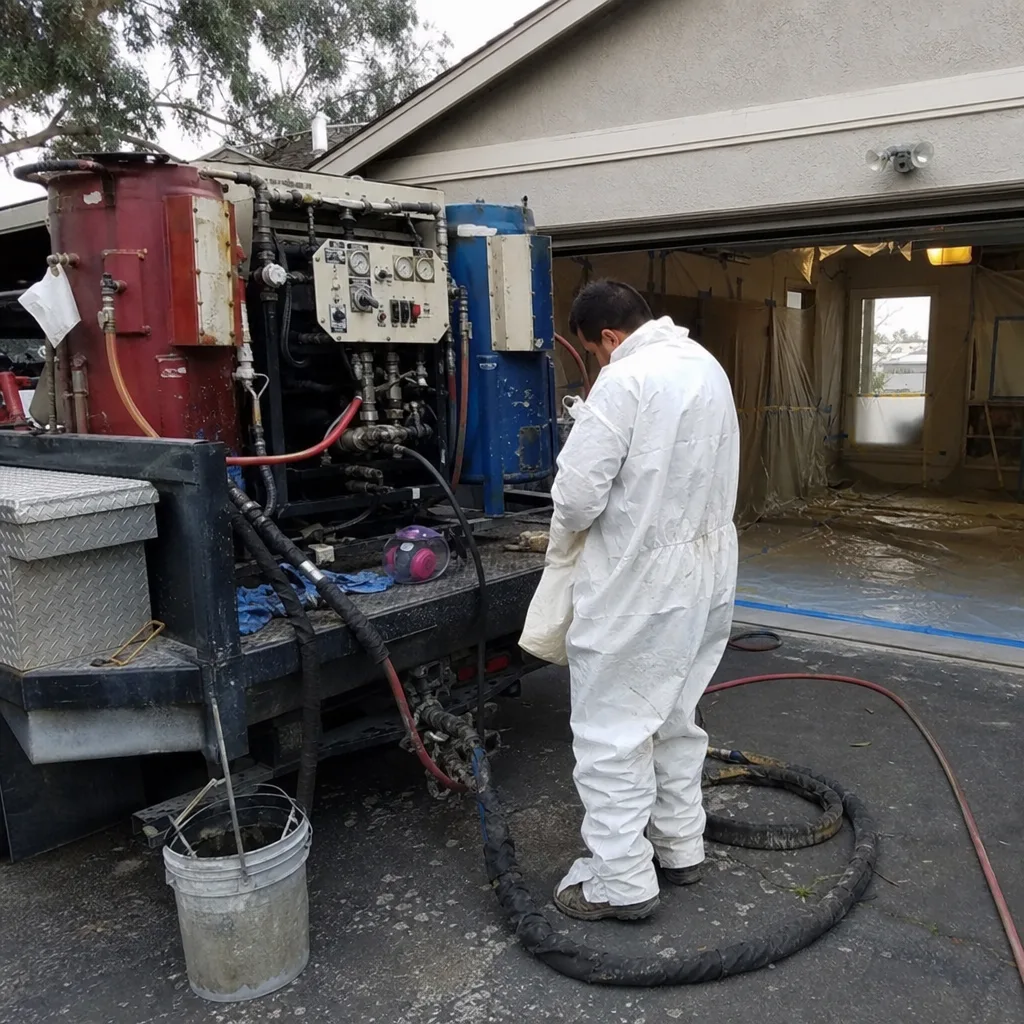
Sunol’s older ranch stock, especially the 1940s through 1960s homes off Kilkare Road and the rural parcels near Niles Canyon Road, often carries original insulation that has simply done its time. Animal waste, decades of dust, roof leaks that baked into the material, and insulation that has decomposed into dust are all common. We remove and dispose of the old material, air-seal the attic floor, and install fresh insulation rated for Sunol’s thermal demands and fire-zone rules. This is also the right time to address rodent entry points, a step most insulation-only companies skip entirely.
Attic Baffles & Ventilation Prep
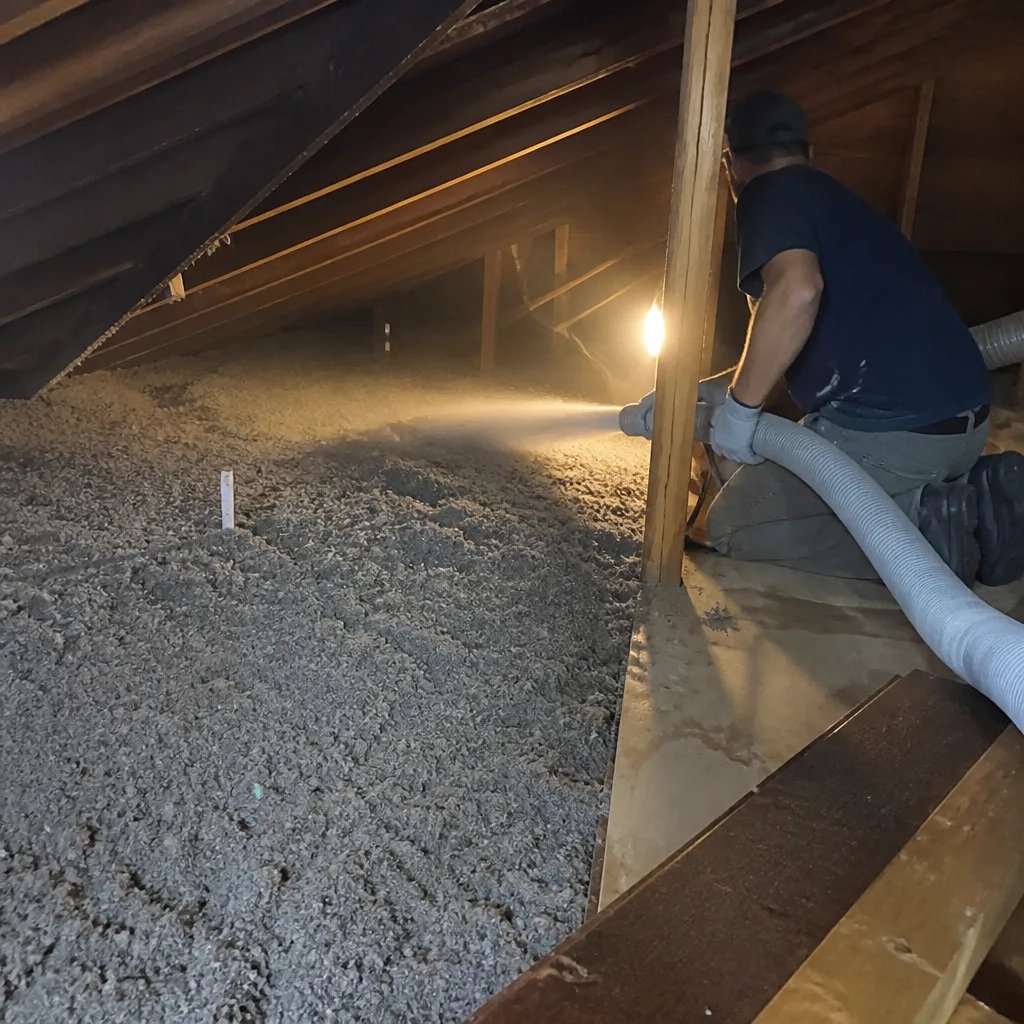
No Sunol attic insulation job should proceed without checking ventilation. Many of the rural homes here were built before soffit baffles existed, and the previous installer simply pushed insulation into the eave space. That blocks airflow, traps moisture, and in Sunol’s fire hazard zone, it can place combustible insulation directly against ember entry points. We install baffles to keep air moving from soffit to ridge, then insulate above the baffle line without blocking the vent path. This is the part of the job that prevents mold on your winter sheathing and ice-dam-like moisture on your ceiling, and it’s the quiet difference between an insulation job that lasts and one that fails slowly.
What happens when you call
- 1
A real person answersNo phone trees — you reach a local pro.
- 2
You get an upfront price rangeHonest numbers before anyone is dispatched.
- 3
A background-checked tech heads outLicensed & insured, dispatched right away.
- 4
You approve before work beginsNothing starts until you say go.
Trusted Brands We Service in Sunol
We stock materials from eight professional insulation manufacturers and select the right one for your Sunol home’s actual conditions. For Sunol’s fire zone, we lean heavily on Rockwool mineral wool batt insulation, a material with natural fire resistance that fiberglass cannot match; Johns Manville and Knauf provide solid fiberglass options where mineral wool isn’t required. For open-blow applications, we use professional-grade loose-fill, never big-box bag stock. Because we carry these materials in active inventory, Sunol customers never wait on a special order when a Rockwool or CertainTeed batt job gets scheduled. The material shows up with the crew.
Common Attic Insulation Problems We See in Sunol Homes
Sunol’s combination of extreme temperature swings, old rural building stock, and strict fire-hazard codes creates a specific set of attic problems. Here’s what we find and fix most often:
- Insulation installed too close to attic vents. In Sunol’s fire hazard zone, this is not just a moisture problem; it’s a Chapter 7A compliance failure. Loose-fill or batt material that crowds the soffit vents can trap embers and ignites at the eave line, which is exactly where ember entry is most dangerous during a wildfire event.
- Old ranch homes with zero ventilation baffles. Sunol’s 1940s through 1960s ranch houses were built before attic baffles were standard. Insulation pushed into the eave space blocks soffit airflow, causing attic moisture buildup in winter and higher cooling loads in summer. It also fails to hold the fire-rated vent path that Sunol’s WUI designation demands.
- Settled or slumped batts in low-clearance attics. Many Sunol attics have tight clearances that tempt installers to force standard batts into irregular bays. Six months later, the batts have sagged or fallen away from the ceiling plane, and the homeowner has paid for R-38 but is getting R-11 performance.
- Rodent contamination under old insulation. Rural Sunol properties, especially those near the Sunol Regional Wilderness or with agricultural outbuildings, carry rodent pressure that urban subdivisions never see. We’ve found rat runs through insulation that had gone unnoticed for years. Insulation replacement without rodent exclusion is a waste of money.
Pricing for Attic Insulation in Sunol, CA
Sunol pricing is driven by the property’s age, attic size, accessibility, and fire-zone material requirements. Here are actual ranges for the work we do in and around Sunol:
- Attic insulation top-up (existing base layer in good condition): $1,200–$2,400 for a typical 1,200–1,800 sq ft Sunol ranch home, depending on depth added and material chosen.
- Full attic insulation replacement (remove and dispose of old material, air-seal, install new): $3,600–$7,200 for most Sunol homes, with Rockwool batt replacement running at the higher end due to material cost and fire-zone compliance work.
- Attic baffle installation and ventilation prep (standalone or bundled with insulation): $500–$1,400, depending on attic geometry and the number of bays needing baffle correction.
- Detached shop or agricultural outbuilding insulation: $1,800–$4,500, priced per square foot after an on-site access check.
What moves the number: roof pitch and attic access, the condition of existing insulation, whether rodent exclusion is needed, whether air-sealing is bundled in, and whether your home’s Chapter 7A compliance requires mineral wool rather than standard fiberglass. We give free written estimates after an attic walkthrough, not over the phone. Call (925) 574-6007 to book one.
We Also Serve Cities Near Sunol
While this page focuses on Sunol, Sierra Insulation Pleasanton works throughout the Tri-Valley and southern Alameda County. We regularly run routes to Pleasanton, Union City, Newark, and Milpitas, and we keep Sunol jobs on a dedicated schedule so rural properties don’t get squeezed between tract-home work. Read more about our local coverage on our Attic Insulation in Sunol page.
Serving Sunol, CA — Our Local Coverage Area
We’re based in the Sunol area and know this community well. Use the map below to see our service coverage — if you’re nearby, we can almost certainly help.
FAQs — Attic Insulation in Sunol
Yes. Sunol sits almost entirely inside a High or Very High Fire Hazard Severity Zone, which triggers California Building Code Chapter 7A requirements that do not apply to most Pleasanton homes. The practical impact for attic insulation: material selection matters. Blown-in cellulose or standard fiberglass batts installed too close to attic vents can trap embers and fail the ember-resistance standard. We use Rockwool mineral wool batts and fire-rated baffles where Chapter 7A applies, and we keep combustible insulation away from the eave and vent line entirely. A Pleasanton attic job might not need any of that. Yours does. Call (925) 574-6007 and we’ll assess your attic against the actual code requirements for your Sunol property.
In almost every case, yes. Sunol’s 1940s through 1960s ranch stock was built before attic ventilation baffles were standard, and the original installers often pushed insulation directly into the eave space. That blocks soffit airflow, traps winter moisture, invites mold on the sheathing, and in Sunol’s fire zone, puts combustible insulation against the ember entry path. We install proper baffles before adding or replacing insulation, every time. It’s not an upsell. It’s the difference between an insulation job that functions and one that fails silently.
Yes, with two caveats. Rockwool mineral wool has slightly higher R-value per inch than standard fiberglass batts, and it holds that R-value better over time because it doesn’t slump or compress the way fiberglass can in Sunol’s low-clearance attic spaces. The bigger factor in Sunol is installation quality. A Rockwool batt cut tightly around framing, baffles, and vent chutes will outperform sloppy fiberglass by a wide margin. We’ve seen Sunol homes cut their winter heating load meaningfully after a proper Rockwool replacement, and the fire-resistance benefit is additional. But if your attic already has proper baffles and clean, well-installed fiberglass, the margin shrinks. We’ll tell you what’s actually worth doing once we see the attic.
It depends on what’s already up there, but here’s the honest version we give every Sunol homeowner. A clean, dry base layer of blown-in fiberglass or cellulose that hasn’t settled below the joist tops can support a top-up. A base layer that’s been compressed by storage, contaminated by rodents, stained by roof leaks, or installed against the eave vents without baffles cannot. Topping up over compromised material seals in the problem and wastes the new insulation’s performance. We’ll inspect before we quote, and we won’t recommend full replacement unless it’s actually required.
No, and the difference matters. Detached agricultural outbuildings and workshops in Sunol are generally not subject to the same Chapter 7A residential building code provisions as the main dwelling, though ember-resistance best practice still applies when the structure sits near the primary residence or vegetation. The insulation goal for a Sunol workshop is usually thermal comfort and condensation control, not code compliance. We insulate these structures with the right material for the purpose: mineral wool batts for fire-adjacent outbuildings, standard fiberglass where the building is detached and low-risk, or blown-in where the roof geometry favors it. Call (925) 574-6007 and we’ll look at the specific building, its distance from the house, and what you’re actually using it for.
Written by Nate Caldwell, Owner at Sierra Insulation Pleasanton, serving Sunol and the surrounding Tri-Valley since day one of every project.