
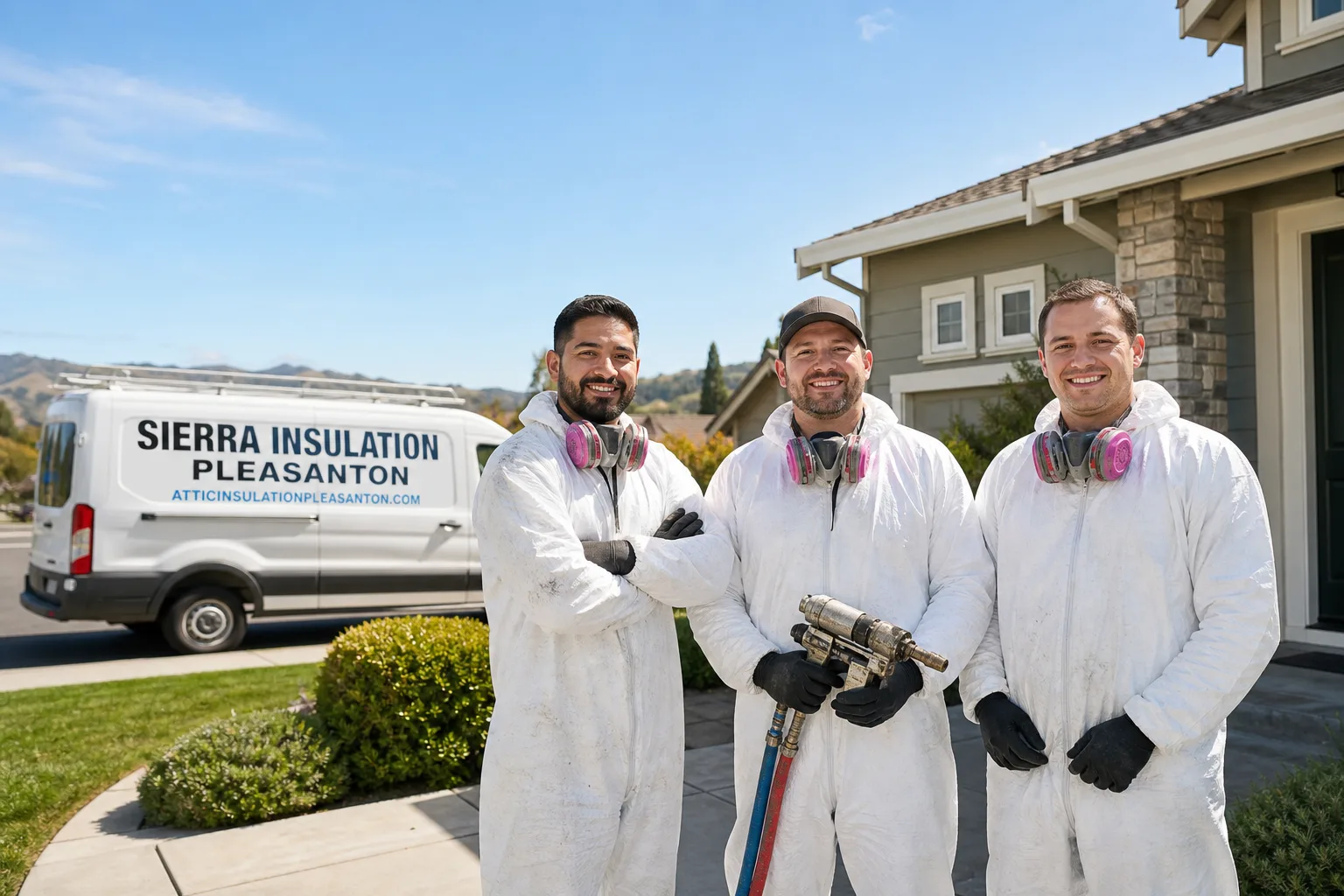
Fast, Reliable Crawl Space Encapsulation & Vapor Barrier Across East Foothills
Crawl space encapsulation in East Foothills typically runs $4,800–$9,500 for a full seal on a standard hillside home, with vapor-barrier-only work starting around $2,200–$3,800. Most jobs are completed in two to four days, and we respond to East Foothills callouts within 24–48 hours. If you’re dealing with damp floors, musty air rising into living spaces, or insulation that’s gone soggy under a split-level, call Sierra Insulation Pleasanton at (925) 574-6007. We know these hillside crawl spaces because we work in them every week, not once a season.
East Foothills homes sit on terrain that most Bay Area insulation crews never see west of the 680 corridor. The crawl spaces here slope with the hill, collect groundwater in wet winters, and bake dry in summer. That changes the entire encapsulation sequence, and it’s why generic advice written for flat San Jose tracts doesn’t hold up here. Nate Caldwell, owner at Sierra Insulation Pleasanton, has been sealing and insulating these under-floor cavities long enough to know that the first step is almost never the vapor barrier. It’s figuring out where the water is coming from.
Why Sierra Insulation Pleasanton Is East Foothills’s Preferred Crawl Space Encapsulation & Vapor Barrier Company
Most East Foothills homeowners find us after a handyman or generalist contractor quoted a vapor barrier without ever measuring the slope under the house. That’s the moment they realize the quote was for a flat-tract job. Our reputation in East Foothills comes from doing the opposite: we map the full under-floor terrain before recommending anything. Homeowners off San Felipe Road, Country Club Parkway, and the streets climbing up from Alum Rock Avenue call us because they want the person making the decisions to be the same person under the house. That’s how we’re built. Nate leads every install personally.
Response time matters when your crawl space is actively feeding moisture into your living room. We schedule East Foothills assessments quickly, and because we’re based just over the ridge in Pleasanton, we’re not treating this neighborhood as a distant service area. We treat it as our backyard. That proximity shows in how we handle warranty follow-ups too. If a seam needs attention two years after the job, we don’t route you through a call center. You call, Nate or a senior crew member comes out.
We also carry the diagnostic tools to tell you whether your problem is insulation, moisture, or both. Home energy audits are part of what we offer, and in East Foothills they often reveal that the crawl space isn’t the only source of humidity. But when it is, we fix it from the dirt up. Our Crawl Space Encapsulation & Vapor Barrier approach in East Foothills always starts with moisture, then moves to sealing, then insulation. Skip that order and you’re sealing wet soil under plastic, which is how you grow a mold colony inside your own foundation.
Our Crawl Space Encapsulation & Vapor Barrier Services in East Foothills
We offer five core sub-services for East Foothills crawl spaces: vapor barriers, full encapsulation, under-floor insulation, moisture control, and crawl space cleanout. Most East Foothills projects combine at least three of them because hillside conditions rarely produce a single isolated issue. Here’s how each one works in this specific terrain.
Crawl Space Vapor Barrier in East Foothills
A vapor barrier here is not a roll-out job. East Foothills lots slope, sometimes dropping 4–8 inches across a single room, so the plastic has to be cut in relief, fastened to uneven stem walls, and seamed carefully around post-and-pier footings. We use 12-mil reinforced poly as our standard because thinner material tears when hillside soil shifts. In wet winters, groundwater pushes up from below, and a 6-mil sheet becomes a bathtub liner for everything above it. On a split-level ranch off San Felipe Road, we pulled back a torn 1990s black poly sheet and found the under-floor slope dropping nearly 7 inches over 12 feet, with moisture beading on the underside from hillside seepage. We had to remediate the damp soil with a sump pump and perimeter drain before laying a 12-mil reinforced vapor barrier over the graded surface, taping all seams and sealing to the stepped stem walls, then we injected Demilec closed-cell foam where the cavity pinched too tight for batts. The result was a dry, sealed crawl space that stopped feeding humidity into the split-level’s original baseboard cavities.
Crawl Space Encapsulation in East Foothills
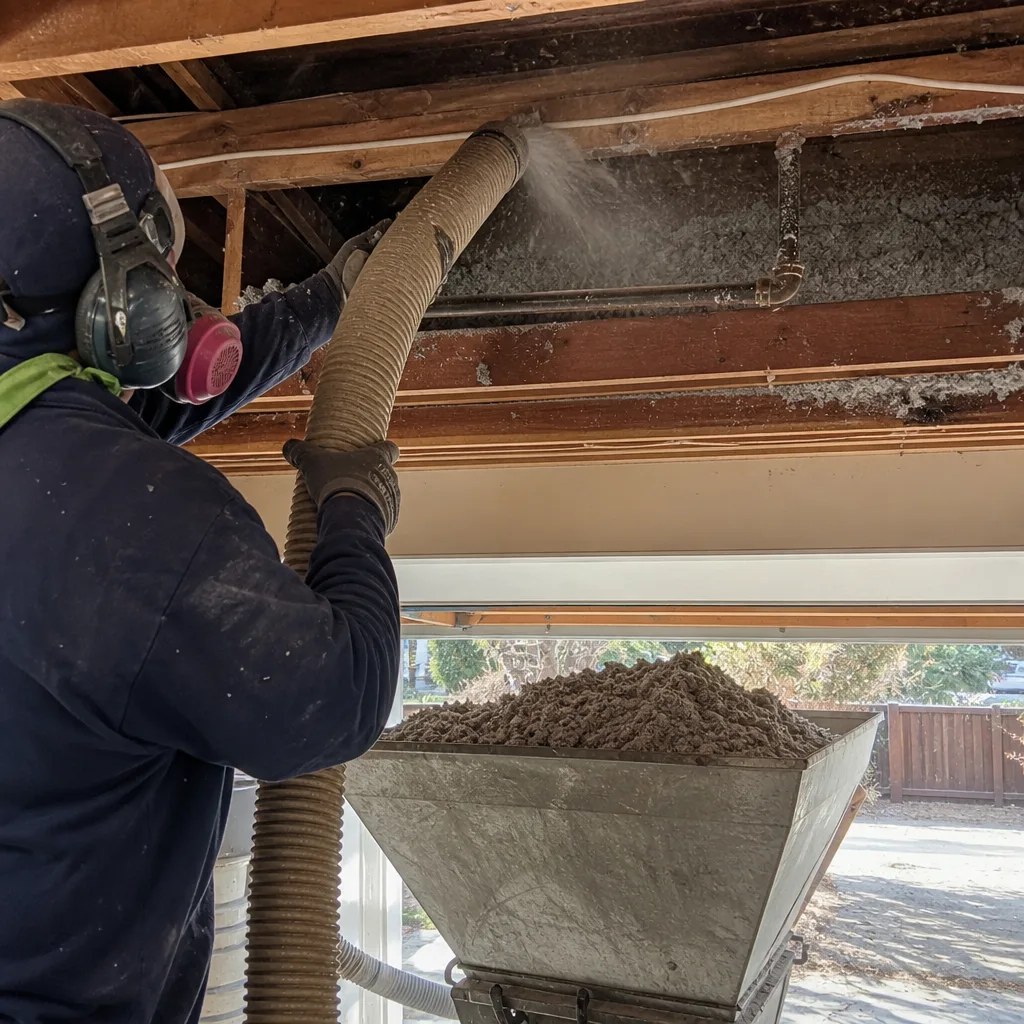
Full encapsulation means sealing the entire under-floor cavity: floor, stem walls, piers, and often the subfloor from below. In East Foothills, this is more demanding than in flat neighborhoods because the cavity itself is irregular. A hillside crawl space can run from 18 inches of clearance on the uphill side to 4 feet on the downhill side, with stepped foundations breaking the plane at odd intervals. We seal everything with a continuous vapor barrier, tape or mechanically fasten every seam, and condition the space so it stops exchanging air with the hillside soil. This is the service that gives East Foothills homeowners the biggest indoor air quality improvement, especially in split-levels where crawl space air rises directly into the lower living area.
Crawl Space Insulation in East Foothills
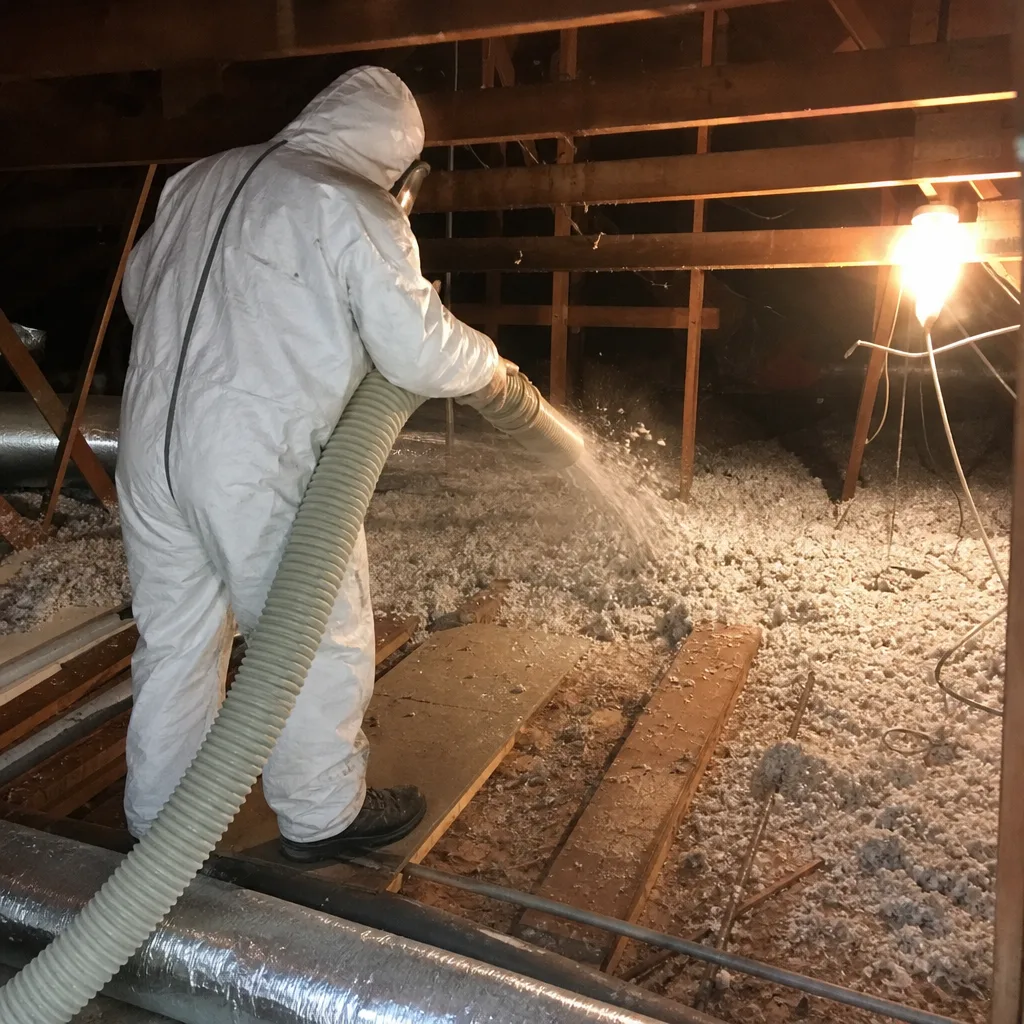
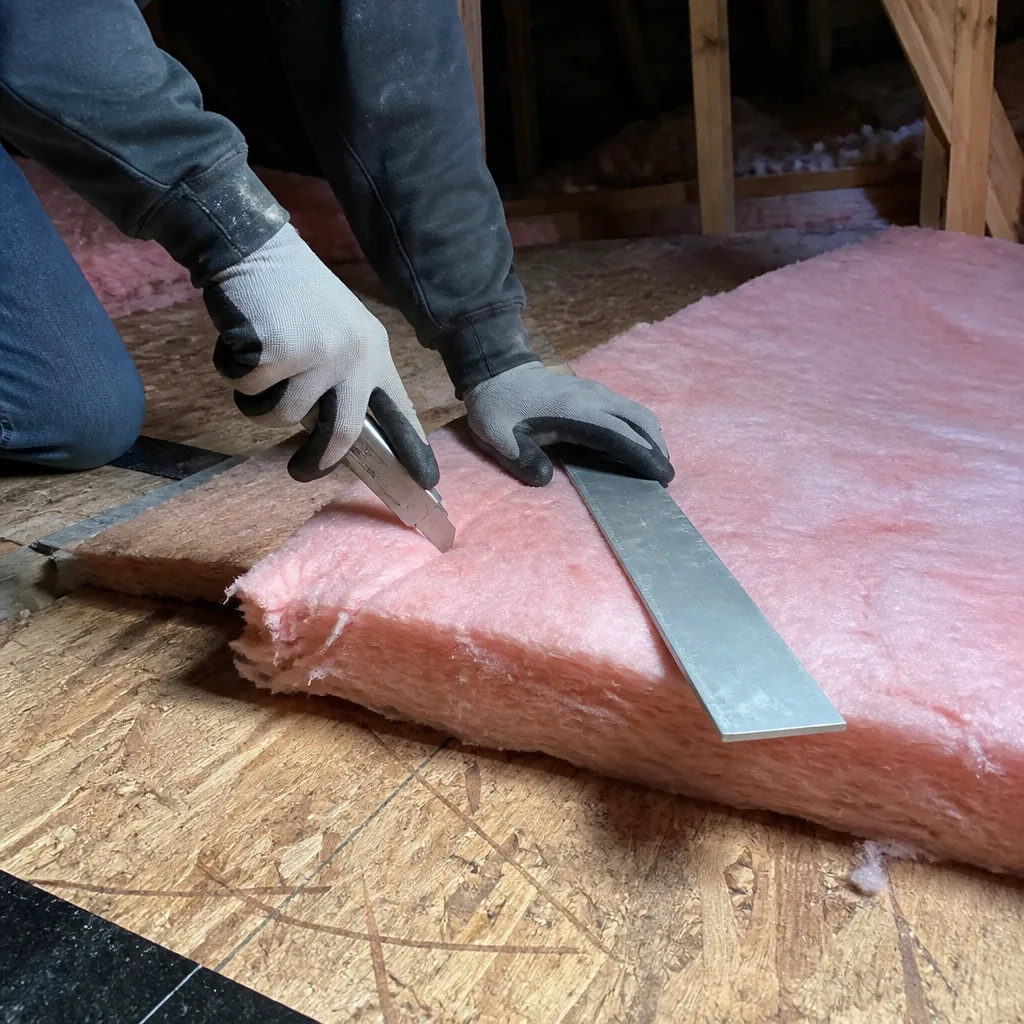
Insulating a sloped, shallow crawl space under an East Foothills split-level rules out fiberglass batts in most cases. The cavities are too irregular, and batts sag when they contact damp air. We typically use closed-cell spray foam like Demilec for these spaces because it adheres to uneven surfaces, air-seals as it insulates, and doesn’t absorb moisture. Where the cavity is deeper and the slope is moderate, we may use a combination of spray foam on rim joists and rigid board on stem walls. The goal is to stop the under-floor cavity from acting as an unconditioned air reservoir that pulls heat out of your floors all winter and radiates humidity all summer.
Crawl Space Moisture Control in East Foothills
Moisture control has to come first, and in East Foothills that means dealing with hillside groundwater. The upslope foundation wall is the entry point. In wet winters, water seeps through the soil and pushes against that wall, then finds its way under the sill plate or through block joints. We install perimeter drains, sump pumps where needed, and sometimes regrade the exterior soil on the uphill side to direct water away before it reaches the foundation. Only after the water source is controlled do we lay barrier and insulation. Sealing over an active seep is the fastest way to guarantee a callback.
What happens when you call
- 1
A real person answersNo phone trees — you reach a local pro.
- 2
You get an upfront price rangeHonest numbers before anyone is dispatched.
- 3
A background-checked tech heads outLicensed & insured, dispatched right away.
- 4
You approve before work beginsNothing starts until you say go.
Trusted Brands We Service in East Foothills
We stock materials from Owens Corning, Johns Manville, and Demilec, plus Knauf and Rockwool where the project calls for it. We also provide Reflectix service in East Foothills when that product line fits the job. That matters in East Foothills because the right product depends on what we find under your house. A shallow, damp cavity wants closed-cell spray foam, not fiberglass. A deep, dry crawl space under a ranch might do fine with encapsulated batts and a 12-mil barrier. We don’t push one brand because we have a warehouse full of it. We pick the material that matches your home’s actual conditions, and because we carry eight professional-grade lines, we’re not making that call based on inventory convenience. Our East Foothills customers get the same material options as our Pleasanton customers, with fast turnaround because we’re already stocked for this region.
Common Crawl Space Encapsulation & Vapor Barrier Problems We See in East Foothills Homes
- Hillside groundwater seeping through the upslope foundation wall. This is the number-one East Foothills issue. In wet winters, water pushes under the sill plate and bubbles up beneath a vapor barrier, turning the crawl space into a humid, mold-prone chamber. Until that water is diverted or pumped, no barrier will hold.
- Peeling vapor barrier seams from soil movement. Post-and-pier floor systems flex as the hillside soil expands and contracts with East Foothills’s day-to-night temperature swings. Taped seams that were tight in October peel apart by February. We mechanical-fasten seams in these conditions and avoid relying on tape alone.
- Trapped radon or soil gas after sealing the downhill side first. Open, uninsulated under-floor cavities on the downhill side of split-levels vent naturally through the open crawl space. Seal the barrier first and you can trap radon under the house. Encapsulation has to account for ventilation or active mitigation in these homes, which is a step flat-tract contractors routinely miss.
- No original insulation in 1950s–1970s wall cavities or crawl spaces. These homes were built before Title 24 existed. That means empty wall cavities, bare dirt floors, and no air sealing anywhere. Encapsulating the crawl space is a huge improvement on its own, but it works even better when paired with under-floor insulation and rim joist air sealing.
Pricing for Crawl Space Encapsulation & Vapor Barrier in East Foothills, CA
Here’s what East Foothills homeowners can expect to pay for this work. A vapor barrier only, laid and sealed on a relatively accessible crawl space, runs $2,200–$3,800 depending on square footage and slope complexity. Full encapsulation with moisture control, which includes drainage or sump work, lands between $4,800 and $9,500 for most East Foothills split-levels and ranches. Adding spray foam insulation to the rim joists or full under-floor cavity typically adds $1,800–$4,500, with Demilec closed-cell running higher than open-cell alternatives. Crawl space cleanout, which we almost always recommend before any barrier work, starts around $600–$1,200 for a typical hillside cavity with old debris and rodent droppings. The biggest variable in East Foothills is the slope. A 7-inch drop across a room means more cutting, more fastening, and more material waste. Flat estimates you may see online don’t account for that. Call (925) 574-6007 and we’ll walk your specific crawl space and give you a real number. Estimates are free, and Nate is the one who shows up to do the measuring.
We Also Serve Cities Near East Foothills
Sierra Insulation Pleasanton serves the entire East Bay hillside corridor and surrounding valley. In addition to East Foothills, we regularly work in Pleasanton, Newark, Sunol, and Union City. Each area has its own housing stock and moisture profile, but the same principle applies: diagnose the actual condition, then prescribe the fix. If you’re in a neighboring community with a musty crawl space, the same owner-operated crew is available to you.
Serving East Foothills, CA — Our Local Coverage Area
We’re based in the East Foothills area and know this community well. Use the map below to see our service coverage — if you’re nearby, we can almost certainly help.
FAQs — Crawl Space Encapsulation & Vapor Barrier in East Foothills
Because East Foothills crawl spaces slope, often 4–8 inches across a single room, and a flat-laid barrier will pool water and tear at the seams within one wet season. The plastic must be cut in relief, fastened to uneven stem walls, and installed only after groundwater sources are controlled. A flat-tract barrier on a hillside lot is the fastest way to trap moisture exactly where you don’t want it. Call (925) 574-6007 for an honest assessment of what your specific under-floor terrain requires.
Yes, with a caveat. The VHFHSZ designation primarily affects above-grade materials and vent covers under Chapter 7A, but the same principle of durability applies below grade. We use 12-mil reinforced poly as our minimum in East Foothills because thinner barriers tear when hillside soil shifts or when a tech has to crawl over them repeatedly during installation. The fire-zone concern is real for any venting or access points that interact with the crawl space, and we make sure those details comply with code. That’s a regulatory layer flat valley neighborhoods like Berryessa don’t face.
We install a sump pump and perimeter drain, and often regrade the exterior upslope side, before any barrier or insulation goes in. Sealing over standing water is a guaranteed mold colony and a failed inspection. In East Foothills, this pre-remediation step is common because the hillside delivers groundwater to the foundation every winter. Expect it to add $1,200–$2,800 to the total project cost, and expect it to be the step that makes the encapsulation actually last. Estimates are free; call (925) 574-6007 to find out if your seep requires it.
Yes, and that’s exactly what closed-cell spray foam like Demilec is for. Shallow, irregular, sloped cavities make fiberglass batts nearly useless because they sag and leave gaps. Spray foam adheres to the uneven underside, air-seals as it cures, and doesn’t absorb moisture from the hillside air. Where the cavity pinches to under 18 inches, spray foam is sometimes the only insulation that works at all. We’ve insulated dozens of East Foothills split-levels this way, including the one off San Felipe Road where the floor dropped 7 inches over 12 feet.
Because flat neighborhoods have a stable, level soil plane and a simple rectangular cavity. East Foothills crawl spaces follow the terrain, which means stepped stem walls, post-and-pier footings at varied heights, and groundwater pushing in from the uphill side. A barrier in Berryessa can be rolled out and taped in a day. A barrier in East Foothills has to be cut, draped, fastened, and integrated with drainage or it fails within two winters. The slope isn’t an inconvenience, it’s the whole job. Call (925) 574-6007 for a quote that accounts for your home’s actual terrain.
If your East Foothills crawl space smells damp, your floors feel cold in January, or you’ve noticed peeling paint and warped baseboards in the lower level, the problem is probably underneath you. Sierra Insulation Pleasanton handles the whole thermal envelope, from Crawl Space Encapsulation & Vapor Barrier work to attic air sealing, insulation, and energy audits. We find the problem before we sell you the fix. Call (925) 574-6007 today and talk to Nate directly. Free estimates, owner-installed every time, sealed and verified when we’re done.
Written by Nate Caldwell, Owner at Sierra Insulation Pleasanton, serving East Foothills and the wider East Bay hillside corridor.