

Fast, Reliable Crawl Space Encapsulation & Vapor Barrier Across Campbell
If you own one of Campbell’s 1950s or 1960s ranch homes, there’s a good chance your crawl space is working against you. Original perimeter vents, failing 1980s vapor barriers, and saturated fiberglass batts are common in the neighborhoods east of Winchester Boulevard and along the old orchard tracts. We get calls from Campbell homeowners every week about musty odors, cold floors, and standing water under the house. Sierra Insulation Pleasanton handles the full job: assessment, moisture remediation, vapor barrier installation, and insulation replacement. Call (925) 574-6007 for a free inspection and a straight answer about what’s actually happening under your floors.
Why Campbell Homeowners Call Sierra Insulation Pleasanton for Crawl Space Work
Nate Caldwell, owner and lead installer, shows up on every job. That matters because crawl space work isn’t a job you hand to a rotating crew. The person who walks your property, reads the moisture meter, and plans the encapsulation is the same person pulling on the tyvek suit and going under the house. When you call about a seams-failed vapor barrier in a 1962 rancher off Harriet Avenue, you’re talking to someone who has already been under thirty or forty similar homes in Campbell’s east-side tracts.
We’re not a general contractor who subs out Crawl Space Encapsulation & Vapor Barrier work to the lowest bidder. Sierra Insulation is a thermal envelope specialist. That means we think about your crawl space as part of a system: how it interacts with attic insulation, wall cavities, and the stack effect pulling moisture up through your house. We stock eight professional material brands because a Campbell rancher with gravel debris needs a different vapor barrier than one with smooth tamped soil.
Homeowners in Campbell keep our number because they’ve seen the difference between a patch job and a proper encapsulation. We measure, we document, and we stand behind the install. The reporting is straightforward: photos of what we found, a written scope, and an honest recommendation about whether you need full encapsulation or a targeted repair.
Our Crawl Space Encapsulation & Vapor Barrier Services in Campbell
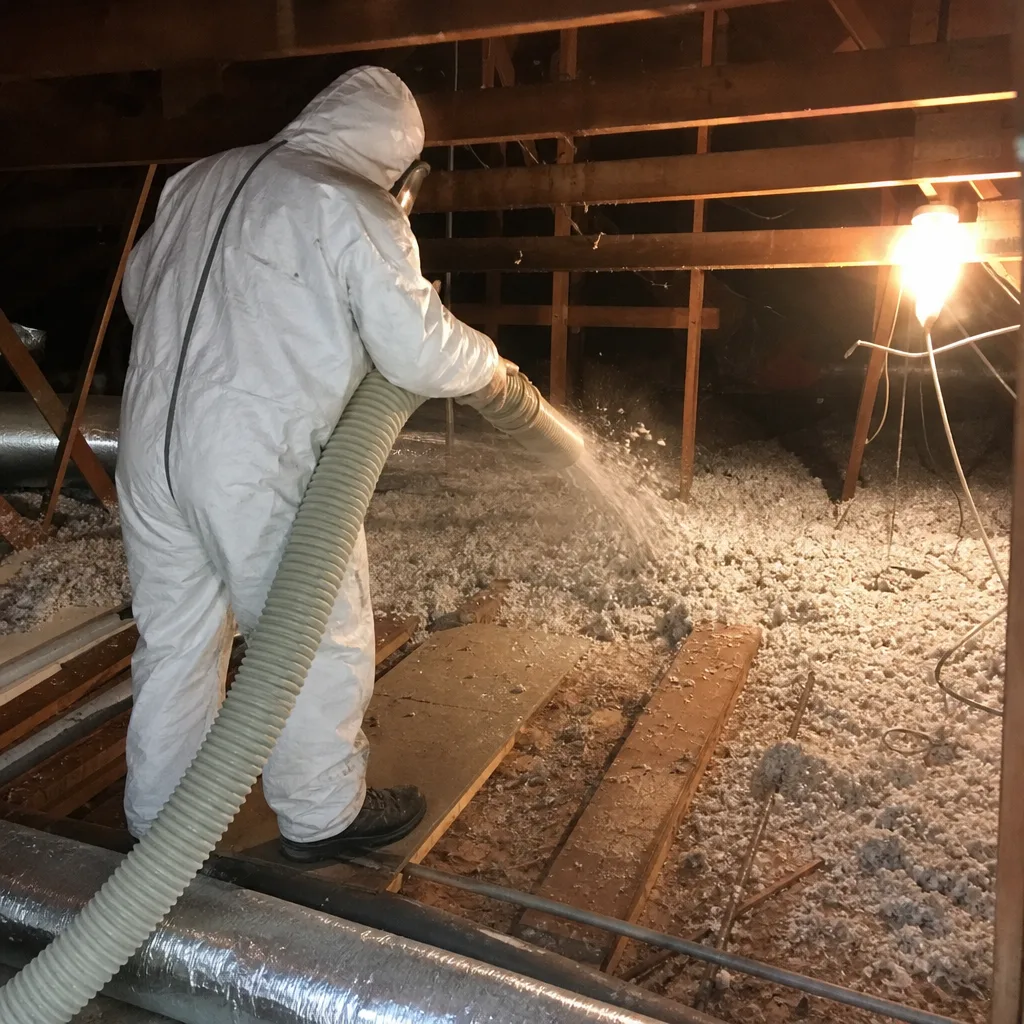
Crawl Space Vapor Barrier
Most homes in Campbell built between 1950 and 1970 either have no vapor barrier at all or a 6-mil sheet installed in the 1980s that has since torn, lifted at the seams, or been punctured by debris. We install 12-mil reinforced barriers, mechanically fastened and sealed at the foundation walls. In Campbell’s post-war ranch stock, the barrier has to be paired with vent sealing or the moisture problem just migrates. A vapor barrier alone over wet soil with open vents doesn’t stop humid air from condensing on your ductwork.
Crawl Space Encapsulation
Encapsulation is the full system: vapor barrier on the floor and up the foundation walls, sealed perimeter vents, sealed mudsill gaps, and a conditioned crawl space that stops being a humidity source for the entire house. Campbell homeowners with musty smells in hall closets or warped hardwood near the kitchen often find the root cause is a crawl space that’s been breathing wet soil air for decades. We’ll pull back the old barrier, treat any fungal growth on the joist pockets, and install a clean, sealed system.
Crawl Space Insulation
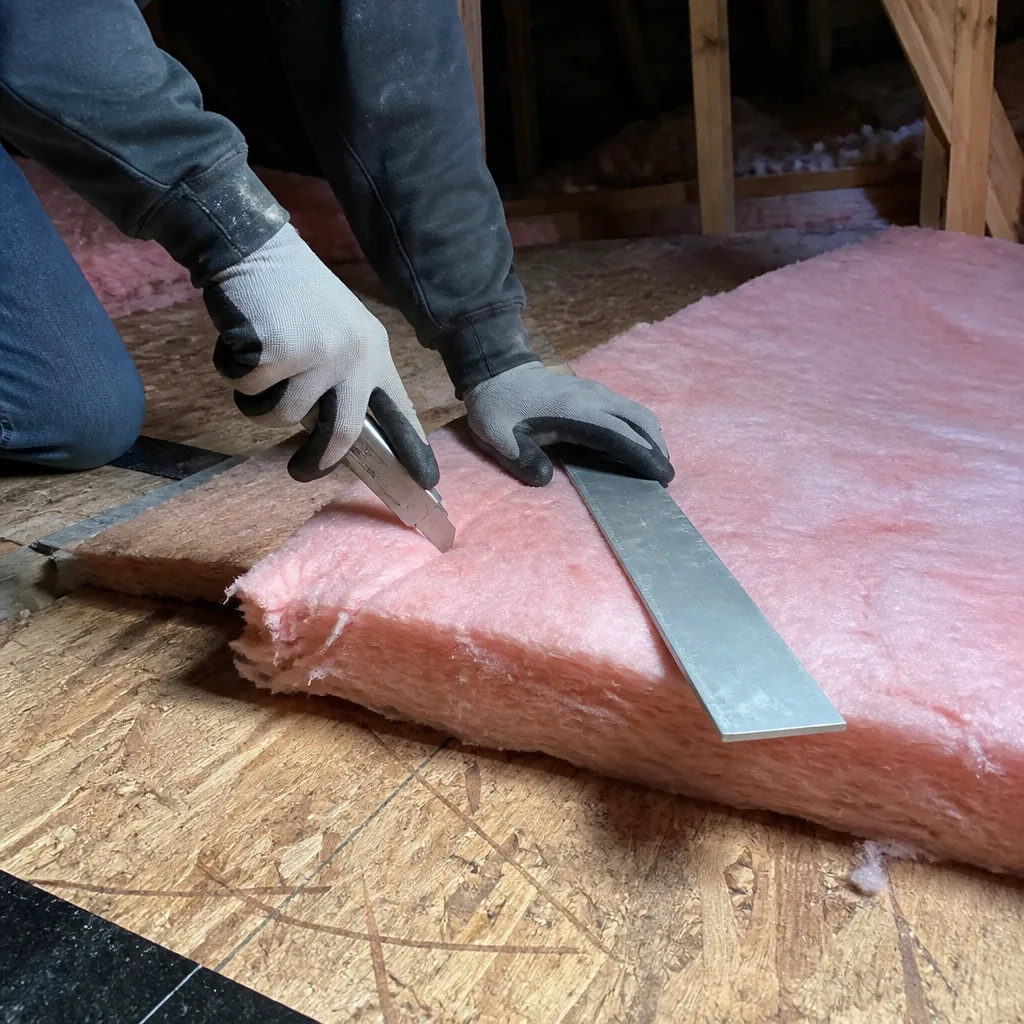
Fiberglass batts hanging from Campbell crawl space floors are frequently waterlogged from years of condensation. When we remove them, homeowners are sometimes shocked at what we drag out: sodden, sagging insulation that hasn’t been performing for years. We replace it with appropriate material for the conditions. For sealed and encapsulated crawl spaces, wall insulation can be the better move. We carry Rockwool and Owens Corning products that handle moisture far better than old fiberglass in this application.
Crawl Space Moisture Control
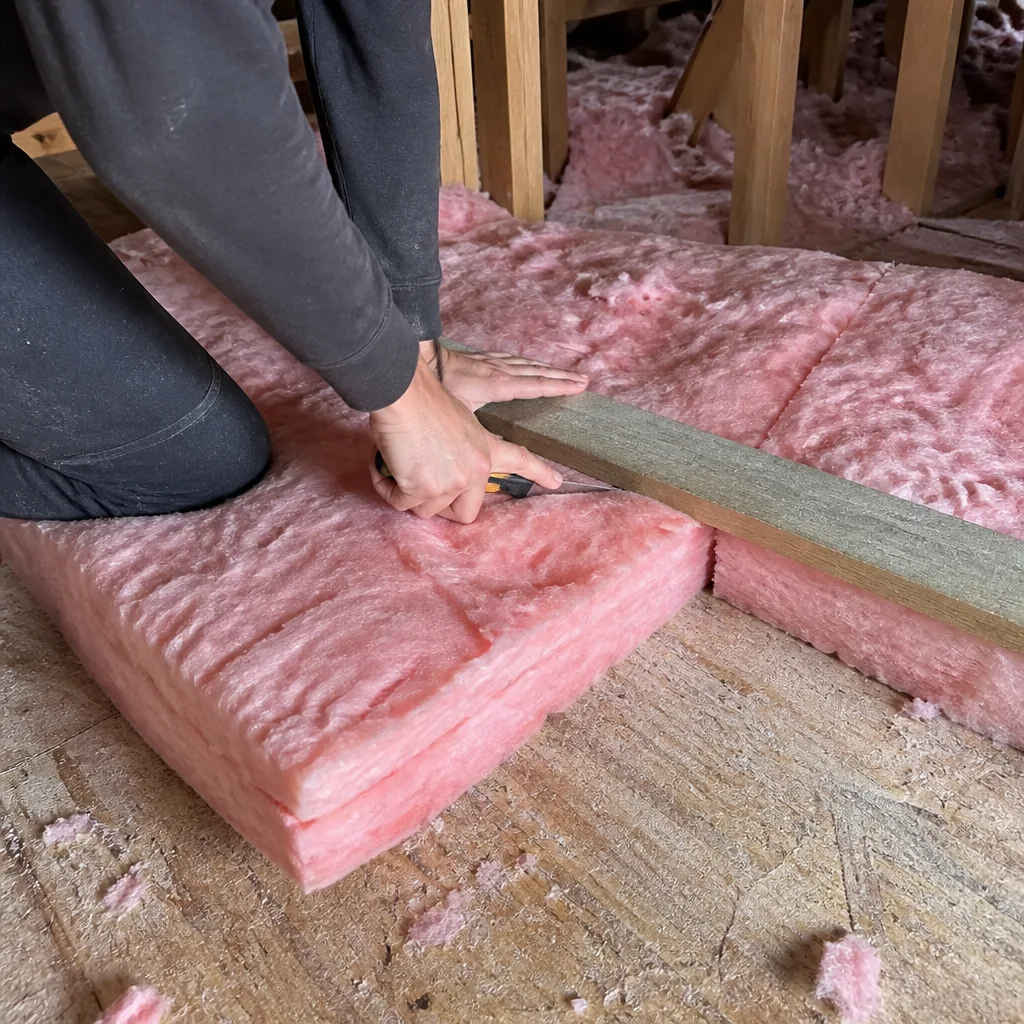
This is the service we emphasize for Campbell’s east-side ranch neighborhoods. Homes built on former orchard land often have flat or minimally sloped foundation drains. Perimeter vents sized for agricultural-era drainage assumptions let in humid soil air. We address the moisture source first: grading, drainage corrections where feasible, vent sealing, and antimicrobial treatment. Then we lay the barrier. Putting a new vapor barrier over a perpetually wet crawl space without fixing the water entry just creates a bathtub under your house.
What happens when you call
- 1
A real person answersNo phone trees — you reach a local pro.
- 2
You get an upfront price rangeHonest numbers before anyone is dispatched.
- 3
A background-checked tech heads outLicensed & insured, dispatched right away.
- 4
You approve before work beginsNothing starts until you say go.
Campbell’s Older Homes Have a Specific Problem: Legacy Vents and Failed 1980s Barriers
Here’s something you won’t find on a generic encapsulation page. Campbell’s east-side ranch homes, built 1950 to 1965 on former orchard land, often sit over crawl spaces with original perimeter vents that let in warm, humid summer air from the Santa Cruz Mountains’ rain shadow. In the winter, the soil holds moisture from rainfall that doesn’t drain away like it would on a sloped Los Gatos hillside. That combination, open vents plus damp soil, is exactly what rots out vapor barriers installed in the 1980s. Those old 6-mil sheets were minimally overlapped and taped with materials that degraded within a decade. By now, most are failing at the seams.
On a 1962 rancher off Harriet Avenue, we pulled back a vapor barrier installed in the 1980s that had failed along the seams where groundwater seeped past the old perimeter vent wells. We removed waterlogged fiberglass batt insulation, treated the joist pockets with antimicrobial, and laid a 12-mil reinforced vapor barrier, sealing foundation vents against the warm, dry summer air that comes off the Santa Cruz Mountains’ rain shadow and cutting musty odor within a week. That job wasn’t unusual. It’s the template for what we see across Campbell’s ranch tracts.
Then there are the Craftsman and Victorian homes near the historic Campbell Avenue district. Those are balloon-framed, meaning wall cavities run open from the crawl space to the attic. A vapor barrier on the crawl space floor without sealing the mudsill gaps does little in these homes because stack-effect moisture climbs right through the walls. Encapsulation in this housing stock means paying close attention to the rim joist and mudsill before you ever roll out the barrier.
How to Tell If Your Campbell Ranch Home’s 1980s Vapor Barrier Is Failing
- Musty odor that gets worse in summer. Campbell’s inland South Bay pocket gets warmer summer afternoons than coastal neighbors. Heat drives moisture out of the crawl space soil and up through the floor. If the barrier is torn or lifted at the seams, that moisture picks up soil gasses and you smell it in the living room.
- Cupping or warping hardwood floors. Original oak floors are common in Campbell ranch homes. Persistent crawl space humidity warps wood from below. The damage pattern shows up in hallways and rooms above the wettest crawl space sections first.
- Visible condensation on ductwork. In winter, cold ducts running through a vented, humid crawl space collect condensation like a glass of ice water on a warm day. That water drips onto the barrier, pools, and eventually saturates whatever insulation is still hanging.
- Pest activity. Rats and mice in Campbell love open perimeter vents and torn vapor barriers. They nest in water-damaged fiberglass and chew through anything organic. If you’re seeing droppings or hearing scratching under the floor, the barrier has likely been compromised for years.
Trusted Brands and Materials We Install in Campbell
We don’t push one product because we happen to stock it. Sierra Insulation carries Owens Corning, Johns Manville, Knauf, and Rockwool, among others. For Campbell crawl space insulation after encapsulation, we frequently recommend Rockwool for its moisture resistance and fire performance. For vapor barriers, we use reinforced 12-mil poly with mechanical fastening, not tape. Your home’s specific conditions, soil type, foundation condition, and ventilation configuration, determine the right spec. Campbell’s older ranch homes with gravel and brick debris in the crawl space need a thicker barrier than a clean, tamped-soil crawl space would. We bring the right material for the actual conditions, not whatever is on the truck.
Pricing for Crawl Space Encapsulation & Vapor Barrier in Campbell, CA
What you’ll pay depends on square footage, access height, and how much remediation the crawl space needs before we lay the barrier. For a typical 1,200-square-foot Campbell rancher with a clean dirt crawl space, a straightforward 12-mil vapor barrier installation runs $2,400 to $4,800. Full encapsulation, including vent sealing, mudsill sealing, and antimicrobial treatment, typically lands between $6,000 and $11,000 for that same footprint. If we’re pulling out waterlogged fiberglass and reinstalling crawl space insulation, budget $2 to $3 per square foot for the insulation scope. Homes with standing water, massive debris, or failed foundation drains will need remediation before the barrier goes in, which adds cost. Call (925) 574-6007 for a free inspection and a written quote broken down by scope. No cost for the assessment, and the quote is itemized so you can see exactly what you’re paying for.
We Also Serve Cities Near Campbell
Sierra Insulation Pleasanton handles crawl space encapsulation across the South Bay. If you’re in neighboring Saratoga, Cupertino, Mountain View, or Milpitas, we service those areas regularly. The housing stock differs, the soil conditions differ, and material selection changes accordingly. If you’re in one of those cities and dealing with a damp or failed crawl space, give us a call at (925) 574-6007.
Serving Campbell, CA — Our Local Coverage Area
We’re based in the Campbell area and know this community well. Use the map below to see our service coverage — if you’re nearby, we can almost certainly help.
FAQs — Crawl Space Encapsulation & Vapor Barrier in Campbell
Yes, you should seal the vents as part of full encapsulation. Open perimeter vents let humid outdoor air into the crawl space year-round, and in Campbell’s inland South Bay climate, that means warm damp air in summer and cold wet soil air in winter. Sealing vents and installing a proper vapor barrier converts the crawl space into a controlled environment. If you seal vents without addressing moisture entry points and drainage, though, you can trap moisture inside. That’s why the sequence matters: moisture remediation first, then barrier, then vent sealing. Call (925) 574-6007 and we’ll assess your specific crawl space before recommending a sequence.
It helps, but not by itself. A vapor barrier over a crawl space that gets standing water will eventually lift at the seams and create a trapped-water situation, what we call the bathtub effect. Campbell’s flat east-side lots with minimal foundation slope are prone to this. The fix is addressing the water entry first: grading, drainage corrections, or in some cases a sump pump. Then the barrier goes over a crawl space that stays dry. A barrier installed over a flooding crawl space is a temporary patch, not a solution.
Use 12-mil reinforced or thicker. Standard 6-mil tears easily on gravel, broken brick, and construction debris, which are common under Campbell’s older homes. A 12-mil reinforced barrier with a proper installation over a screeded or raked soil bed will handle punctures far better. In crawl spaces with heavy debris, we’ll recommend cleaning out the debris first, then installing the barrier. Skipping the cleanout and just laying thicker plastic over sharp objects is a shortcut that fails within a few years. We’ll give you an honest assessment when we inspect.
Yes, and in an encapsulated crawl space, wall insulation is often the better approach. Once the crawl space is sealed and conditioned, you’re not fighting ground moisture the same way. Insulating the foundation walls keeps the crawl space warmer and protects plumbing from freezing in Campbell’s colder clear-sky winter nights. We carry Rockwool and Owens Corning products suited to this application. The condition of your foundation walls and the encapsulation design will dictate whether wall or floor insulation makes more sense for your home.
If it’s installed over wet soil, torn anywhere, lifted at the seams, or if you smell musty odors in the house, it’s not working. Most 1980s barriers in Campbell were 6-mil poly taped at the seams with adhesive that fails within a decade. After 35 to 40 years, the barrier is cosmetic. The only way to know for sure is to get under the house with a moisture meter. We do that for free. Call (925) 574-6007 and we’ll inspect the barrier, measure soil and wood moisture, and tell you honestly whether it’s still functioning or needs replacement.
Written by Nate Caldwell, Owner at Sierra Insulation Pleasanton, serving Campbell since we started. Nate personally leads every crawl space inspection and installation.