Trusted Crawl Space Encapsulation & Vapor Barrier for Pleasanton Homeowners
Crawl space encapsulation in Pleasanton typically costs between $4,500 and $12,000 for a full system install, with vapor barrier work alone running $1,800 to $5,000 depending on square footage and access. Most jobs are completed in one to three days, and we can usually schedule an assessment within the same week you call. Sierra Insulation Pleasanton handles every part of this work ourselves, with owner Nate Caldwell leading our Crawl Space Encapsulation & Vapor Barrier in Pleasanton from the first measurement to the final seam seal. Call (925) 574-6007 and we’ll get eyes on your crawl space before recommending anything.
You’re not imagining that musty smell. Pleasanton’s clay-heavy soil holds moisture against foundation walls through winter rains and summer irrigation cycles, and that damp air finds its way up through floor joists and into your living space. The result is higher humidity upstairs, cold floors in January, and a crawl space that quietly works against your home’s thermal envelope. Encapsulation stops that cycle at the source.
What Our Crawl Space Encapsulation & Vapor Barrier Service Includes
Every crawl space we open in Pleasanton tells us a different story. Some have standing water after a wet winter. Some have fiberglass batts sagging between joists, saturated and useless. Some have never been touched since the home was built. We look at what’s actually happening under your house, then build a solution around those conditions rather than pulling a standard package off the shelf. Here’s exactly what each component of the work involves.
Crawl Space Vapor Barrier
A vapor barrier is a reinforced polyethylene liner installed across the crawl space floor and sometimes up the foundation walls and piers. In Pleasanton, where ground moisture moves through soil toward the surface year-round, a properly installed barrier blocks that moisture from evaporating into the crawl space air. We install barriers in multiple thicknesses depending on what your floor conditions call for, with all seams overlapped and mechanically fastened rather than simply rolled out and left.
You need this when you see condensation on ductwork, insulation that looks damp, or a crawl space that smells earthy after rain. Our approach is to verify the ground moisture level first, then recommend the right liner weight and coverage pattern for your specific crawl space footprint.
Crawl Space Encapsulation
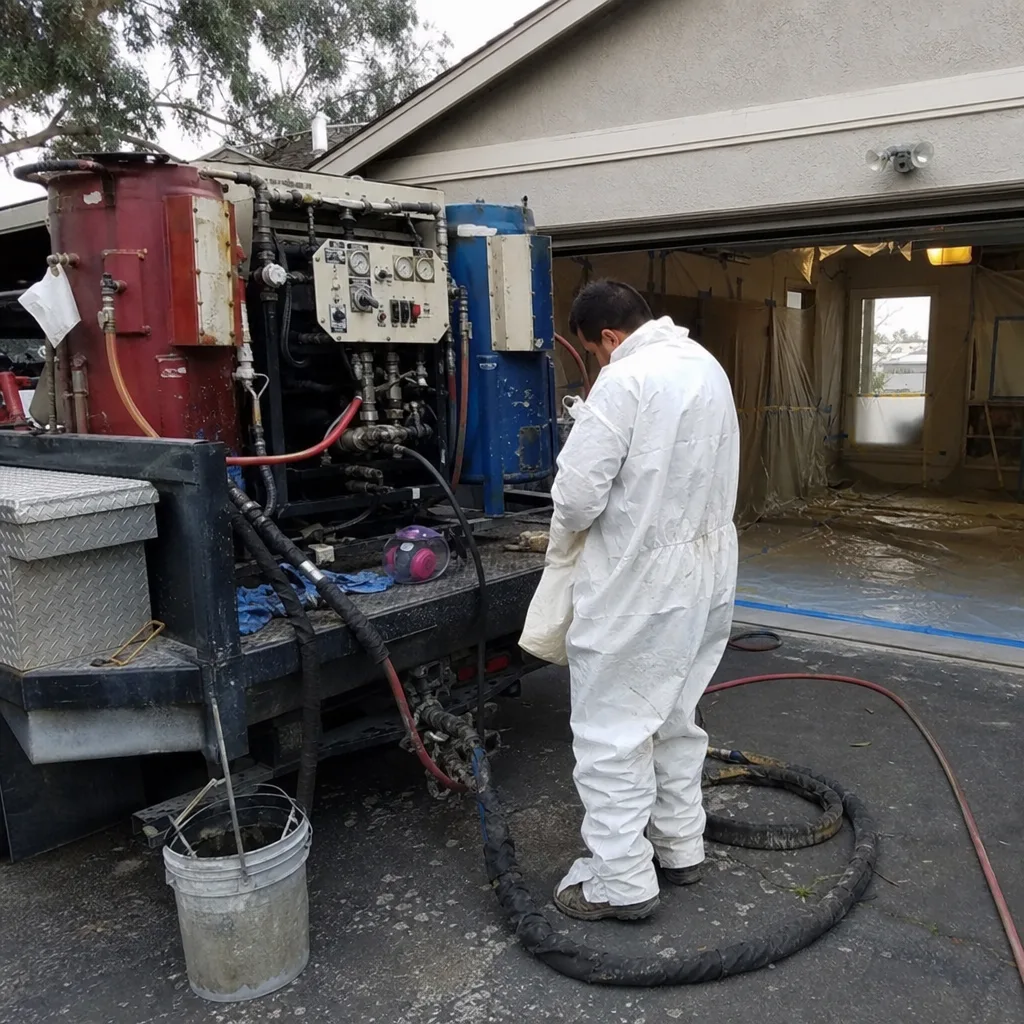
Encapsulation goes beyond a floor liner. It seals the crawl space from the outside environment entirely. We cover the floor, extend the liner up the foundation walls, seal rim joists, close off foundation vents, and install a crawl space dehumidifier when the conditions call for it. The goal is a clean, dry, controlled environment under your home that stops outside air from entering your thermal envelope.
Homes in Pleasanton with vented crawl spaces pull in humid outside air all summer, then that humidity condenses on cool surfaces when temperatures drop overnight. Encapsulation solves that permanently. It’s also the right move before adding insulation, because insulation installed over a damp, vented crawl space fails quickly.
Crawl Space Insulation
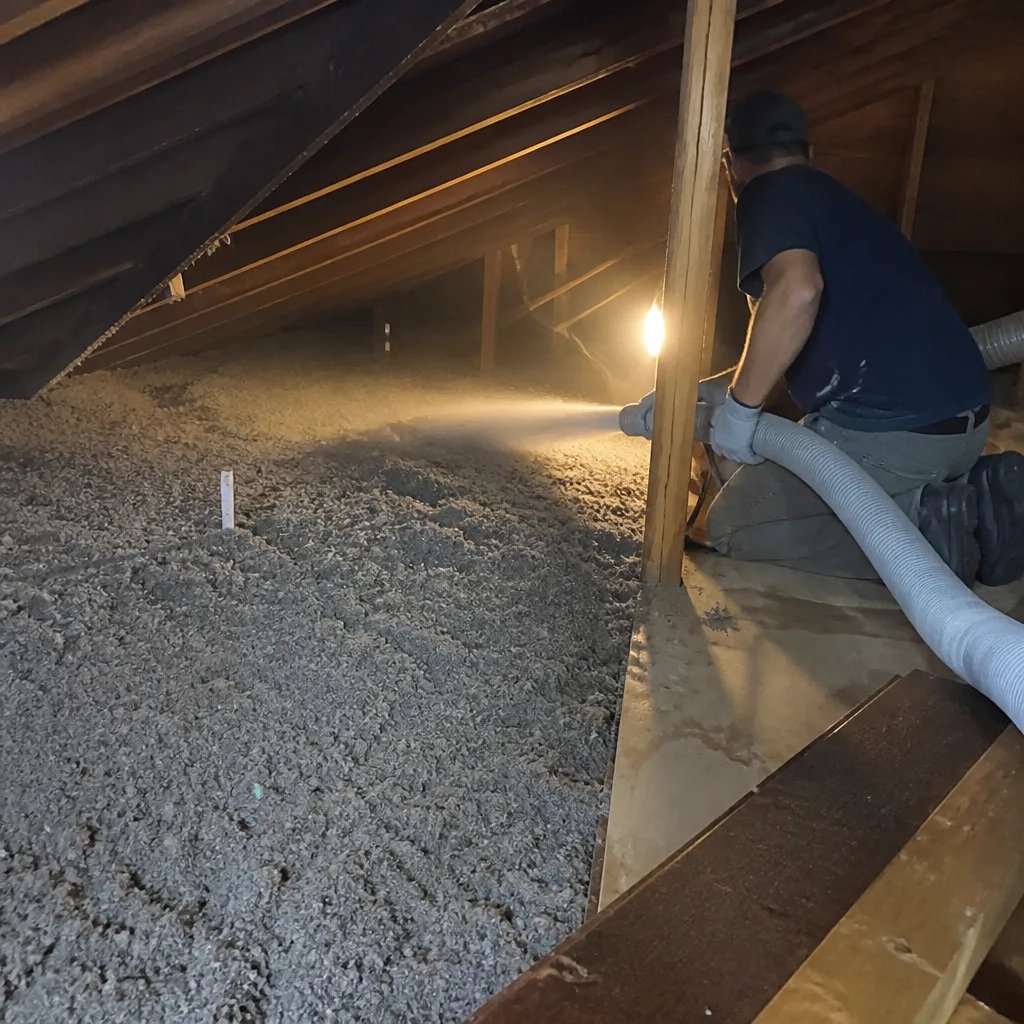
Insulating the crawl space is what keeps your floors warm and your energy bills in line. We install rigid foam board on foundation walls as part of an encapsulated system, or we can work with existing floor joist cavities when encapsulation isn’t the full scope. Material selection depends on what your crawl space looks like after moisture control: open-cell spray foam and rigid foam board both have their place, and we stock the materials to use either.
If your floors are cold in the winter even with the heat running, or if rooms above the crawl space run five to eight degrees colder than the rest of the house, the problem is almost always missing or failed crawl space insulation. We’ll assess what’s there, remove anything that’s been compromised by moisture, and install insulation that’s appropriate for the conditions it will actually live in.
Crawl Space Moisture Control
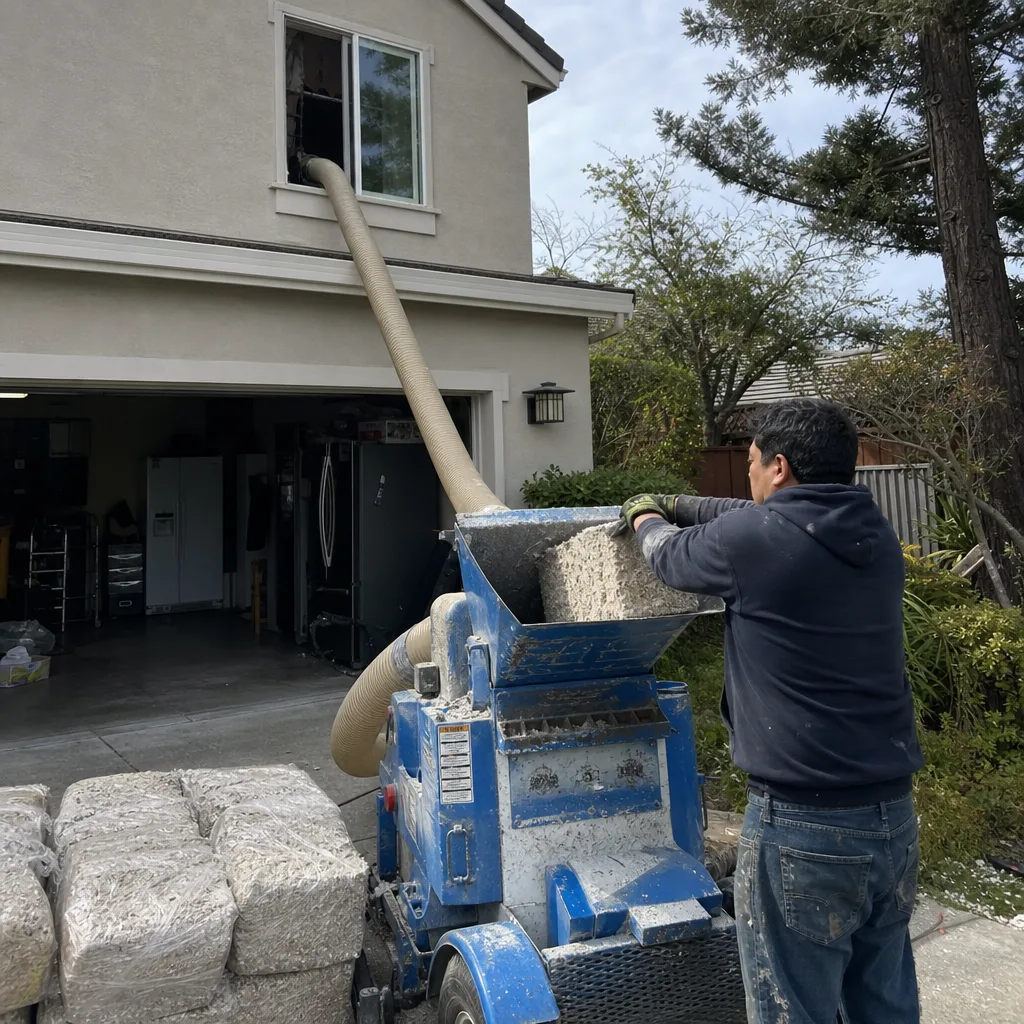
Moisture control is the foundation of every crawl space project we take on in Pleasanton. It starts with diagnosing where the water is coming from – clay soil wicking, poor exterior grading, a foundation crack, or just seasonal humidity moving through vents. From there we address the cause, not just the symptom.
That often means a combination of encapsulation, a properly sized dehumidifier, and in some cases sump pump work or drainage correction. We don’t sell a liner and walk away from the larger problem. If water is coming in, we find where and tell you what it will take to stop it.
Crawl Space Cleanout
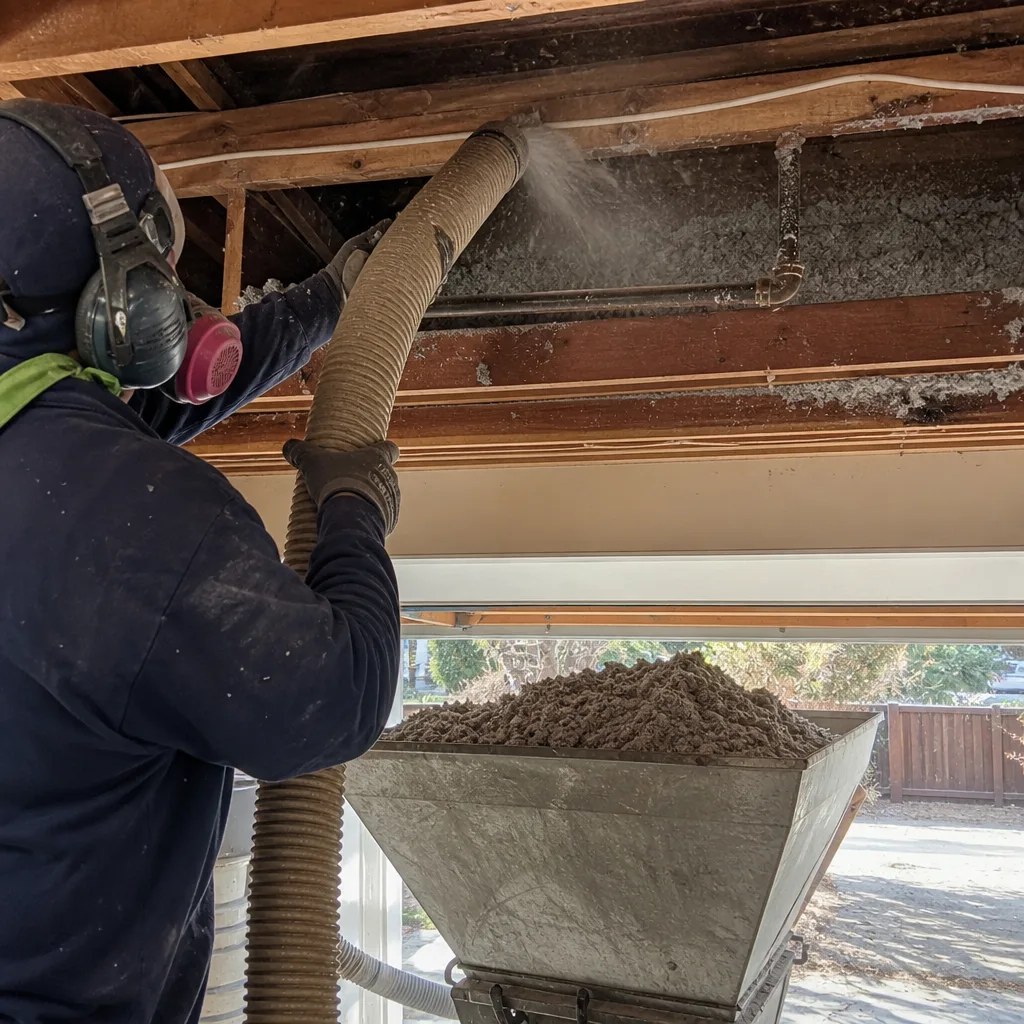
Before we install anything, the space has to be workable and clean. Crawl spaces collect debris, old insulation that’s fallen from joists, animal droppings, and sometimes standing water or mold growth. We remove it. The cleanout includes hauling away failed insulation, clearing debris, and preparing the floor surface so the vapor barrier sits flat and seals correctly.
This step matters more than most homeowners expect. A liner installed over debris will puncture. Insulation installed over damp, dirty conditions will fail. Starting with a clean surface is what makes the rest of the system perform the way it should.
What happens when you call
- 1
A real person answersNo phone trees — you reach a local pro.
- 2
You get an upfront price rangeHonest numbers before anyone is dispatched.
- 3
A background-checked tech heads outLicensed & insured, dispatched right away.
- 4
You approve before work beginsNothing starts until you say go.
Brands We Service for Crawl Space Encapsulation & Vapor Barrier
We work with specific material brands because your crawl space conditions determine what performs. For crawl space and moisture control work, we regularly specify Owens Corning rigid foam board products. Their closed-cell structure gives us a dependable R-value per inch and holds up in the humid environment a crawl space creates. We’ve installed it across dozens of Pleasanton homes with foundation conditions ranging from dry to actively damp.
Johns Manville also makes it into our material rotation for crawl space work, particularly their vapor barrier and insulation accessory lines. Their products handle the temperature swings we see between summer and winter in the Tri-Valley well, and we know exactly how their materials perform over time against Pleasanton’s clay soil conditions. The point isn’t the brand name on the label. It’s that we stock professional-grade materials from multiple manufacturers, so we can choose the one that matches what your crawl space actually needs. Whether your project calls for Owens Corning, Johns Manville, or another spec entirely, the decision is driven by your house, not by what’s sitting in our truck.
We’re also at home installing our full range of insulation services when a crawl space project reveals bigger issues in the thermal envelope. The crawl space doesn’t exist in isolation, and neither does our work.
Signs You Need Crawl Space Encapsulation & Vapor Barrier Right Now
- Musty or earthy smell on the first floor. That smell is mold, mildew, or decaying wood in the crawl space air making its way up through floor penetrations. In Pleasanton’s wet winters, this is one of the earliest warning signs that ground moisture is out of control.
- Cold floors in winter, even with the heat on. Air in a vented crawl space drops into the 40s and 50s in December and January. That cold mass sits directly under your floors and pulls heat out of the living space all day long. Insulation alone won’t fix it if the crawl space is still vented and damp.
- Sagging fiberglass batts between floor joists. Fiberglass insulation soaks up moisture and loses its R-value when it gets wet. If you look up in your crawl space and the insulation is drooping or falling, it’s soaking up humid air from the ground. It needs to come out and be replaced as part of a sealed system.
- Condensation on ductwork or pipes in the crawl space. When warm, humid air hits cool metal surfaces, water beads form. That water drips onto the crawl space floor and feeds mold growth. If you see this on a regular basis, your crawl space is pulling in outside air that doesn’t belong there.
- Uneven temperatures between floors or rooms. Rooms above the crawl space run colder than the rest of the house because the floor assembly is losing heat at a different rate. Sealing and insulating the crawl space evens that out, often more dramatically than people expect.
Our Crawl Space Encapsulation & Vapor Barrier Process — Step by Step
- 1
Assessment and moisture measurement. Nate personally inspects your crawl space, measuring humidity levels, checking for standing water, and examining existing insulation and structural conditions. We take photos so you can see what we see. No recommendations until we’ve looked at the actual conditions under your house.
- 2
Scope and material selection. Based on the assessment, we recommend a specific plan: vapor barrier only, full encapsulation, insulation replacement, dehumidifier sizing, or a combination. We tell you exactly what we’ll do, what materials we’ll use, and why those materials fit your space.
- 3
Cleanout and prep. We remove failed insulation, debris, and anything standing between your crawl space and a clean surface. This step is unglamorous and absolutely necessary. A liner installed over debris, animal droppings, or old fiberglass will fail at the seams.
- 4
Installation: liner, sealing, insulation. The vapor barrier goes down with overlapped seams mechanically fastened to the foundation walls. Vents get sealed. Rim joists get air sealed and insulated. Crawl space insulation is installed to your space’s specific needs. Every seam matters, and Nate is the one checking them.
- 5
Verification and walkthrough. After the install, we re-measure humidity levels and walk you through what was done. If a dehumidifier was installed, we set it and show you what to monitor. You get a clear picture of what’s under your house and why it’s now working in your favor.
How Much Does Crawl Space Encapsulation & Vapor Barrier Cost in Pleasanton?
A vapor barrier install in Pleasanton typically runs $1,800 to $5,000 depending on crawl space square footage, ceiling height, and access difficulty. For more details, see our Crawl Space Encapsulation & Vapor Barrier pricing guide. Full encapsulation with foundation wall coverage, rim joist sealing, and a dehumidifier lands between $4,500 and $12,000 on average. Crawl space insulation replacement runs $1,200 to $4,000 as a component of a larger project, with the final number driven by material choice and the condition of what’s already down there.
What drives the price: total square footage of the crawl space, how much height there is to work in, whether old insulation needs to be removed, whether a dehumidifier is needed, and how much of the foundation wall gets covered. A tight 2-foot crawl space takes dramatically longer to work in than one you can walk through. That labor difference is real and honest.
How to avoid overpaying: get a written scope, not a verbal promise. Know exactly what liner thickness you’re getting, what seam sealing method will be used, and whether a dehumidifier is in the plan. The lowest bid on crawl space work is often a liner rolled out and left, with no sealing at the walls and no plan for the moisture that caused the problem in the first place. Free estimates from us include a written breakdown of everything above.
Crawl Space Encapsulation & Vapor Barrier Near Pleasanton — Our Service Area
We serve Pleasanton and the surrounding communities across Alameda County and into the South Bay, including Crawl Space Encapsulation & Vapor Barrier in Newark and Crawl Space Encapsulation & Vapor Barrier in Sunol. You’ll also find us in Dublin, Livermore, Union City, and Milpitas for larger encapsulation projects. Most Pleasanton assessments are scheduled within three to five business days, and we keep our scheduling honest: we tell you when we can actually be there, not when we hope to show up.
Serving Pleasanton, CA — Our Local Coverage Area
We’re based in the Pleasanton area and know this community well. Use the map below to see our service coverage — if you’re nearby, we can almost certainly help.
Frequently Asked Questions — Crawl Space Encapsulation & Vapor Barrier in Pleasanton
Crawl space encapsulation is the process of sealing your crawl space off from outside air and ground moisture by installing a vapor barrier across the floor, running it up the foundation walls, sealing rim joists and vents, and often adding a dehumidifier to control the air that remains. The goal is a dry, controlled environment that stops humidity and soil gases from entering your living space. It’s a permanent fix for the damp, musty conditions that plague vented crawl spaces in Pleasanton’s clay soil conditions.
Most encapsulation projects in Pleasanton take one to three days depending on crawl space size, access height, and how much cleanout is needed. A simple vapor barrier over a clean surface may take a single day. Full encapsulation with insulation replacement, rim joist work, and dehumidifier install on a larger home can stretch into day three. We give you a timeline with the written estimate.
Full encapsulation with vapor barrier, foundation wall coverage, and rim joist sealing runs $4,500 to $12,000 in Pleasanton depending on square footage and conditions. Vapor barrier alone sits between $1,800 and $5,000. The variables that move the number are crawl space height, how much old insulation must be removed, and whether a dehumidifier is specified. Call (925) 574-6007 for a written quote based on your actual crawl space.
Yes. We regularly remove and replace failed Owens Corning and Johns Manville insulation in Pleasanton crawl spaces, and we use both brand lines in our own encapsulation work. If what’s under your house is waterlogged, moldy, or fallen away from the joists, we’ll tell you straight and specify the right replacement. The existing brand doesn’t matter as much as the condition it’s in.
We schedule most Pleasanton crawl space assessments within the same week you reach out, and we’ll let you know when we can be there when you call. If you have standing water or active mold growth, tell us when you call so we can prioritize the visit. Call (925) 574-6007 and we’ll get you on the schedule.
We stand behind our installation work and we’ll tell you exactly what’s covered before we start. Our material warranty comes from the manufacturers we work with, and our labor warranty comes from us doing the job right the first time. The specifics get spelled out in your written estimate, not buried in fine print after the fact.
The short answer: you don’t need to do much. We handle the cleanout, the removal, and the install. It helps if outdoor access points are clear and if we can get a hose or equipment to your crawl space entry without navigating a locked gate. We’ll tell you exactly what’s needed on the day of the assessment.
Schedule Your Crawl Space Encapsulation & Vapor Barrier Service in Pleasanton Today
The sooner we look at what’s happening under your home, the sooner you stop fighting a losing battle with moisture and cold floors. Call (925) 574-6007 to schedule a free assessment with Nate Caldwell, owner of Sierra Insulation Pleasanton. We’ll measure, photograph, and give you a written scope before you spend a dollar. No obligation, no pressure, just honest numbers from the person who’ll be doing the install.
Written by Nate Caldwell, Owner at Sierra Insulation Pleasanton, serving Pleasanton and surrounding East Bay communities.