
Fast, Reliable Crawl Space Encapsulation & Vapor Barrier Across Newark
Crawl space encapsulation in Newark typically runs $4,800 to $9,200 for a complete system, with vapor barrier installation averaging $3,000 to $6,500 depending on square footage and access. Most Newark homes we work on are early tract builds from the 1950s and 1960s, and their crawl spaces sit over reclaimed Bay mud that never really dries out. If you’re noticing musty odors rising through your floors, sagging insulation, or condensation on your subfloor joists, call Sierra Insulation Pleasanton at (925) 574-6007. We serve Newark daily and can usually have a tech out for an assessment within one to two business days.
Newark’s foundation conditions are not like neighboring cities. The ground here holds moisture year round, and that changes how we approach every encapsulation job we do from the Willow Street corridor down to Thornton Avenue.
Why Sierra Insulation Pleasanton Is Newark’s Preferred Crawl Space Encapsulation & Vapor Barrier Company
Our Crawl Space Encapsulation & Vapor Barrier crew is led by Nate Caldwell, the owner, on every single job. When we’re under your Newark home cutting out composted fiberglass or sealing rim joists, the person making decisions is the same person who quoted your project. That matters when a crawl space reveals surprises, which happens more often in Newark than almost anywhere else we work.
Newark homeowners call us because we already know what their house is dealing with. We’ve worked under post-war tract homes off Cherry Street, near the Ardenwood border, and across the older subdivisions toward the Bay. We know which blocks have the worst ground moisture, which vintage of construction left rim joists uninsulated, and where the marine layer hits hardest. That local knowledge means we don’t show up to diagnose, we show up already informed and ready to confirm what the crawl space tells us.
From energy audit to final air seal, we handle the entire thermal envelope. We find the problem before we sell you the fix, and we stock the materials to solve it on the same visit whenever possible.
Our Crawl Space Encapsulation & Vapor Barrier Services in Newark
Every home we enter in Newark gets an honest assessment of what’s actually failing, not a sales pitch for the most expensive option. Here’s what we do most often for Newark homeowners:
Crawl Space Vapor Barrier
Newark’s ground is the real issue here. The clay subsoil beneath the reclaimed Bay plain wicks water upward continuously. A basic 6-mil poly sheet will not hold up in these conditions. We typically install reinforced 12-mil to 20-mil barriers in Newark, and we pay special attention to seams and penetrations because any gap becomes a moisture path within weeks. Homes near the Don Edwards San Francisco Bay National Wildlife Refuge have groundwater levels that fluctuate seasonally, and barrier selection has to account for that.
Crawl Space Encapsulation
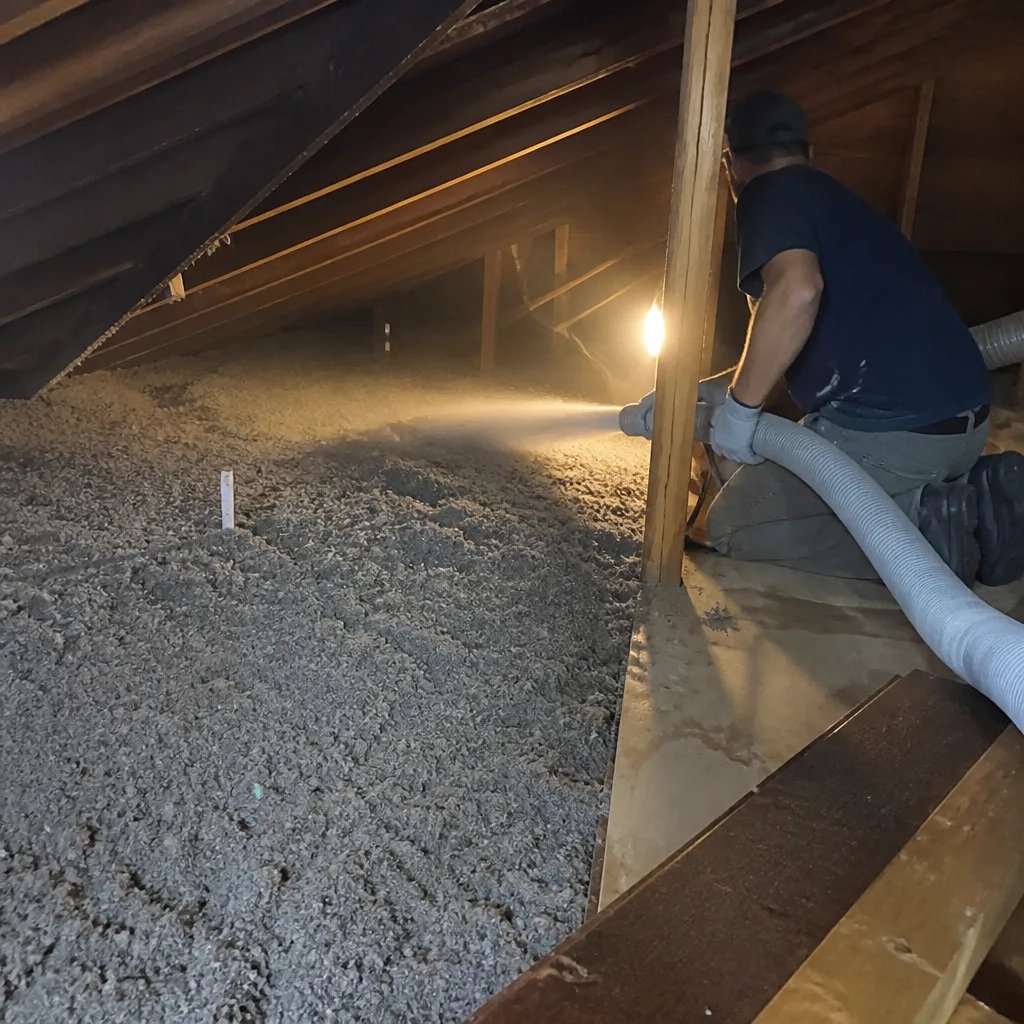
Encapsulation in Newark means addressing both the floor and the perimeter. We seal rim joists, install vapor protection on the ground, and often add drainage provisions where water pools after winter rain. Newark sits low, and the water table under the older tracts near Thornton Avenue can be surprisingly close to the surface. A sealed, insulated, and verified encapsulation system is the only way to stop the dual moisture assault this city’s geography creates.
Crawl Space Insulation
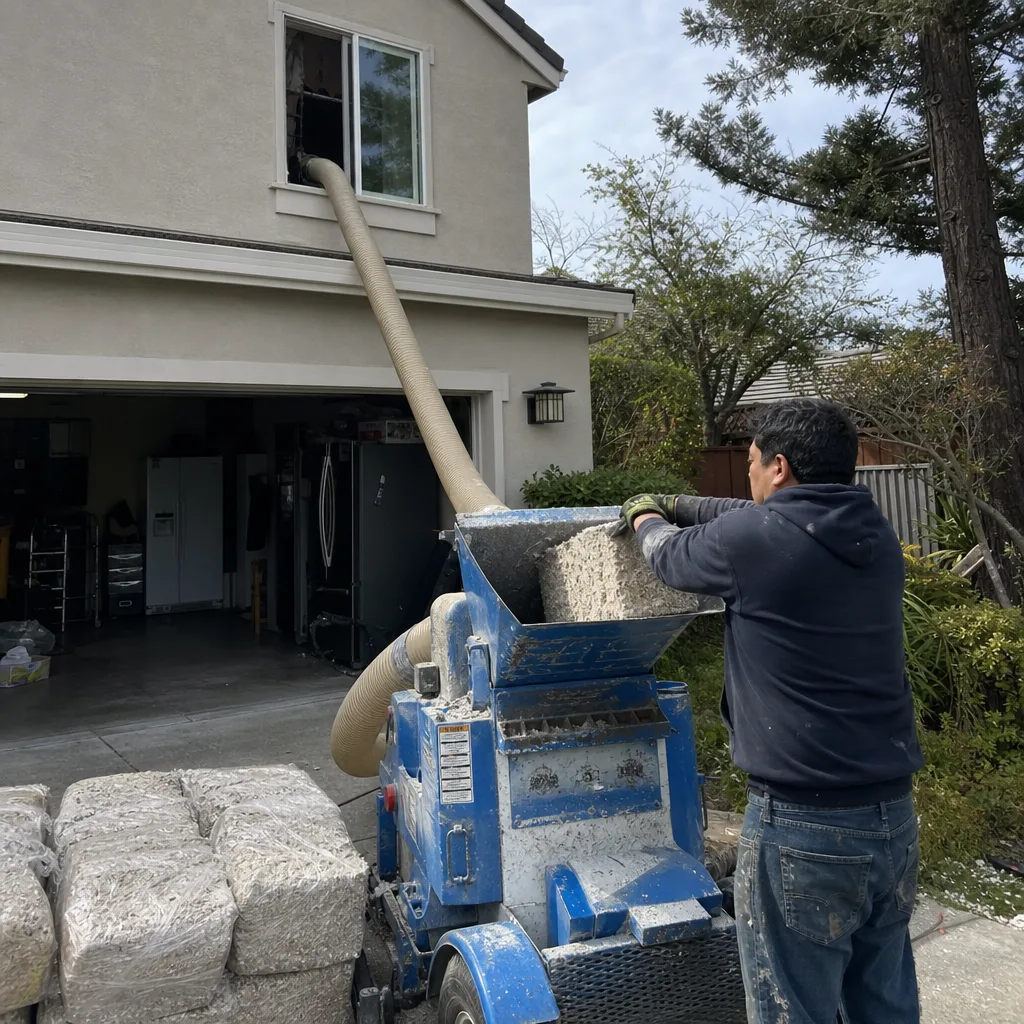
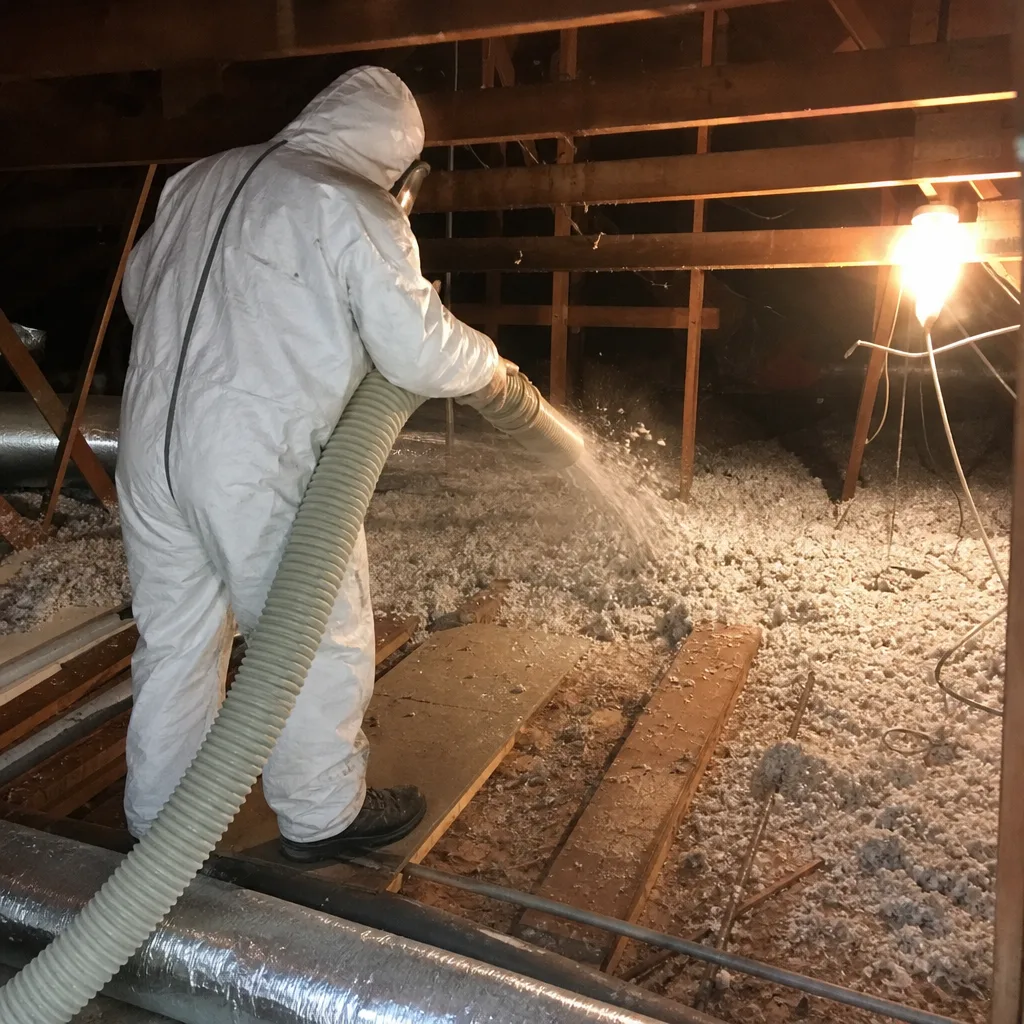
The original fiberglass batts in 1960s Newark tract homes were never designed for sustained humidity. We regularly find insulation that has absorbed so much moisture it composted in place, sagging off the subfloor and doing nothing. When we reinsulate a Newark crawl space, we often recommend closed-cell spray foam against the rim joists and a rigid or spray-applied approach for the subfloor that will not absorb vapor. We carry Owens Corning and Johns Manville lines, but the material choice depends on what your crawl space actually shows us.
Crawl Space Moisture Control
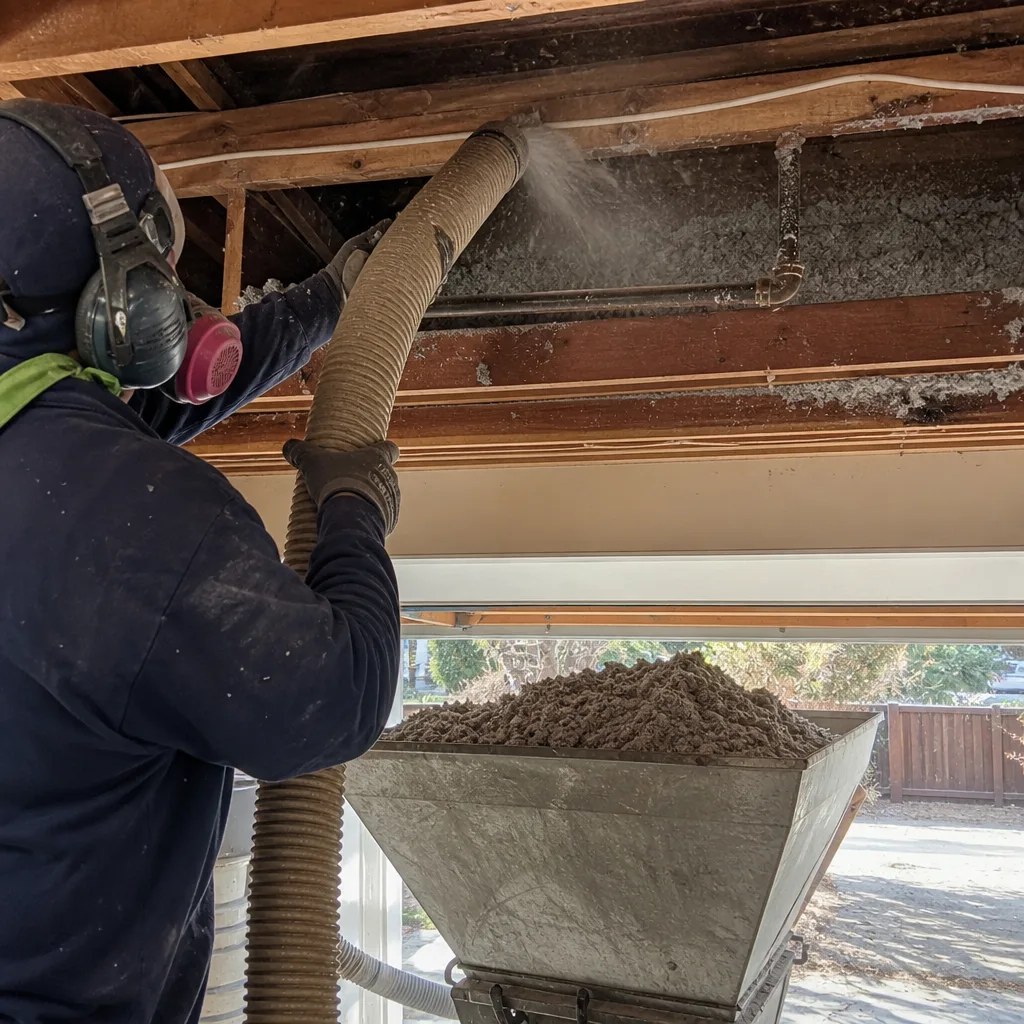
Moisture control in Newark is a year-round discipline, not a seasonal fix. The Delta breeze pulls Bay air across the city even in summer, and that air carries humidity into ventilated crawl spaces where it condenses on cooler surfaces. We assess ventilation, ground cover, drainage, and subfloor condition together. Sometimes the right answer is encapsulation. Sometimes it’s sealing specific entry points and adding a dehumidifier. We tell Newark homeowners the truth about what their house needs, and we show them the evidence before we quote the work.
What happens when you call
- 1
A real person answersNo phone trees — you reach a local pro.
- 2
You get an upfront price rangeHonest numbers before anyone is dispatched.
- 3
A background-checked tech heads outLicensed & insured, dispatched right away.
- 4
You approve before work beginsNothing starts until you say go.
Trusted Brands We Service in Newark
We install and service materials from eight professional brands, and for Newark crawl spaces we lean on products that handle sustained moisture without degrading. Owens Corning and Johns Manville provide fiberglass options that still have a place in specific retrofit conditions. GreenFiber gives us a cellulose option for walls where we’re air sealing alongside encapsulation work. The brand follows the condition, not the other way around. Whatever your Newark home requires, we stock the materials locally and don’t run across the Bay for parts mid-job.
Common Crawl Space Encapsulation & Vapor Barrier Problems We See in Newark Homes
- Sagging or composted fiberglass batts. Ground moisture from the clay subsoil wicks into insulation and destroys it from below. This is the single most common call we get from Newark homeowners, especially in the former wetland blocks off Willow Street and Thornton Avenue.
- Mold growth on subfloor insulation and framing. Marine-layer humidity keeps Newark crawl spaces damp all year, even when the air outside feels dry. Mold appears on insulation and then spreads to floor joists if the moisture path is not interrupted.
- Corroded metal straps and fasteners. Salt-laden Bay air at ground level accelerates rust on the metal hangers and supports that hold insulation in place. We see this most in Newark’s lowest-lying neighborhoods closest to the Bay.
- Uninsulated rim joists. Builders in Newark’s 1950s through 1970s housing boom often left rim joists completely exposed. Air moves freely through these gaps year round, and in a city with elevated humidity, that airflow carries water vapor directly into the crawl space.
Pricing for Crawl Space Encapsulation & Vapor Barrier in Newark, CA
Here’s what Newark homeowners can expect to budget. A vapor barrier installation alone runs $3,000 to $6,500, with larger crawl spaces over 1,200 square feet toward the top of that range and reinforced 20-mil material adding roughly $800 to $1,500 versus 12-mil. Full encapsulation including rim joist sealing, ground barrier, and moisture control measures typically runs $4,800 to $9,200 in Newark. Subfloor insulation replacement paired with a vapor barrier adds $2,500 to $5,000 depending on material and access. Every quote includes a walkthrough of what we found in the crawl space and what we recommend based on what the building gives us. Estimates are free. Call (925) 574-6007 for a specific number on your Newark home.
We Also Serve Cities Near Newark
Beyond our Crawl Space Encapsulation & Vapor Barrier in Newark work, we regularly cross into Union City, Sunol, Palo Alto, and Milpitas. Each of those cities has different soil and moisture conditions, and we adjust our approach accordingly. Newark is the moisture-critical market in this corridor, and that experience makes us sharper in the drier neighboring cities.
Serving Newark, CA — Our Local Coverage Area
We’re based in the Newark area and know this community well. Use the map below to see our service coverage — if you’re nearby, we can almost certainly help.
FAQs — Crawl Space Encapsulation & Vapor Barrier in Newark
Newark sits on reclaimed Bay plain with expansive, moisture-laden clay soils that push water vapor upward into crawl spaces continuously. Fremont’s hillside tracts and much of Union City sit on better-draining ground where ground moisture is less relentless. A vapor barrier in Newark has to hold against constant upward vapor pressure plus the marine-layer humidity that comes in horizontally from the Bay. That’s why we use reinforced 12-mil or 20-mil barriers here more often than the 6-mil standard on drier ground. Call (925) 574-6007 for a Newark-specific assessment.
Homes near the Don Edwards San Francisco Bay National Wildlife Refuge sit within a mile or less of open Bay shoreline and tidal flats. Groundwater in these areas stays high for more of the year, and the air carries more moisture and salt than blocks further east. Encapsulation work near the refuge often requires additional drainage consideration and corrosion-resistant fasteners because standard steel components rust faster in that environment.
Failed insulation in a Newark crawl space usually shows up as sagging batts that have absorbed moisture and lost their loft, visible mold on the vapor-facing surface, and damp or discolored subfloor sheathing in the rooms above. You may smell musty air near floor vents or notice cold floors in winter even when the furnace runs. If you suspect failure, call (925) 574-6007 and we’ll inspect it and show you photos of what we find.
You can, but on slab foundations the vapor issue is mostly about the exposed perimeter and any crawl space sections under additions or split-level areas. If moisture is coming from a crawl space under part of the home, reinsulating without a ground barrier just puts new material in the same wet conditions that destroyed the old insulation. We always show Newark homeowners the moisture level before recommending insulation-only work. Sometimes a targeted vapor barrier and rim joist seal is enough; sometimes full encapsulation makes more sense long term.
The Delta breeze pulls humid Bay air across Newark all day during summer, and the marine layer sits over the city overnight into morning through much of the year. That means ventilated crawl spaces never truly dry out here the way they do in Livermore or Pleasanton. Moisture control in Newark is about stopping the continuous intake of humid air and cutting off ground moisture, not about seasonal dry-out. A properly sealed and encapsulated crawl space in Newark shows humidity below 55% within days of completion and stays there.
If your Newark home has a damp crawl space, failing insulation, or a musty smell that will not go away, call Sierra Insulation Pleasanton at (925) 574-6007. We’ll inspect, explain what’s happening under your house, and give you a straight answer on what it costs to fix. Free estimates. Owner-installed, every time.
Written by Nate Caldwell, Owner at Sierra Insulation Pleasanton, serving Newark and surrounding Bay Area cities.