Crawl Space Encapsulation & Vapor Barrier in Portola Valley: What It Actually Takes
A crawl space encapsulation in Portola Valley typically costs $8,000 to $18,000 for a full system on a 1,200 to 2,000 square foot home, with vapor-barrier-only jobs running $3,500 to $7,500. Most projects take two to three days. But here’s the part most contractors won’t tell you: in Portola Valley, you can’t just roll out polyethylene and call it done. The San Andreas Fault Alquist-Priolo Zone runs directly through town, and CalFire designates the entire community a Very High Fire Hazard Severity Zone. That combination means your encapsulation has to satisfy California WUI Chapter 7A fire-rated material requirements at the same time it’s solving your moisture problem. Call (925) 574-6007 and we’ll walk you through what your specific home actually needs.
How Portola Valley’s Fault Lines and Fog Change Crawl Space Work
We’ve done enough Crawl Space Encapsulation & Vapor Barrier jobs across the Peninsula to know that Portola Valley is a different animal. If you live off Alpine Road or up in the Westridge area, your crawl space is fighting two things at once: marine-layer fog that pours over the Santa Cruz Mountain ridges at night, and a building department that’s stricter than anywhere between San Francisco and San Jose. The fog settles into unsealed crawl spaces and sits there. The building department wants documentation that your vapor barrier meets Chapter 7A flame-spread standards. We handle both. Nate Caldwell, our owner, is on site for every Portola Valley job, which matters when an inspector has questions about material ratings or seismic retrofit coordination.
You’ve also got a housing stock that’s unlike Menlo Park or Palo Alto. Portola Valley’s 1-acre minimum lot sizes produced large custom ranch homes and hillside split-levels from the 1960s through the 1980s. Many of those homes have crawl spaces that were never insulated, never sealed, and never touched since the day they were built. Some are seeing floor-to-ceiling temperature swings of 10 to 15 degrees, even when the thermostat says the house is warm. That’s not a heating problem. That’s an envelope problem.
Our Crawl Space Encapsulation & Vapor Barrier Services in Portola Valley
Crawl Space Vapor Barrier
A properly installed vapor barrier in Portola Valley does more than cover dirt. It has to stop the fog that pools at the base of hillside properties, and it has to pass a Chapter 7A review if your home sits in the Very High Fire Hazard Severity Zone. We use reinforced 10-mil and 12-mil barriers with documented flame-spread ratings. The seams get taped, the piers get sealed, and the barrier runs up the foundation walls. No shortcuts, because the town won’t let you take shortcuts.
Crawl Space Encapsulation
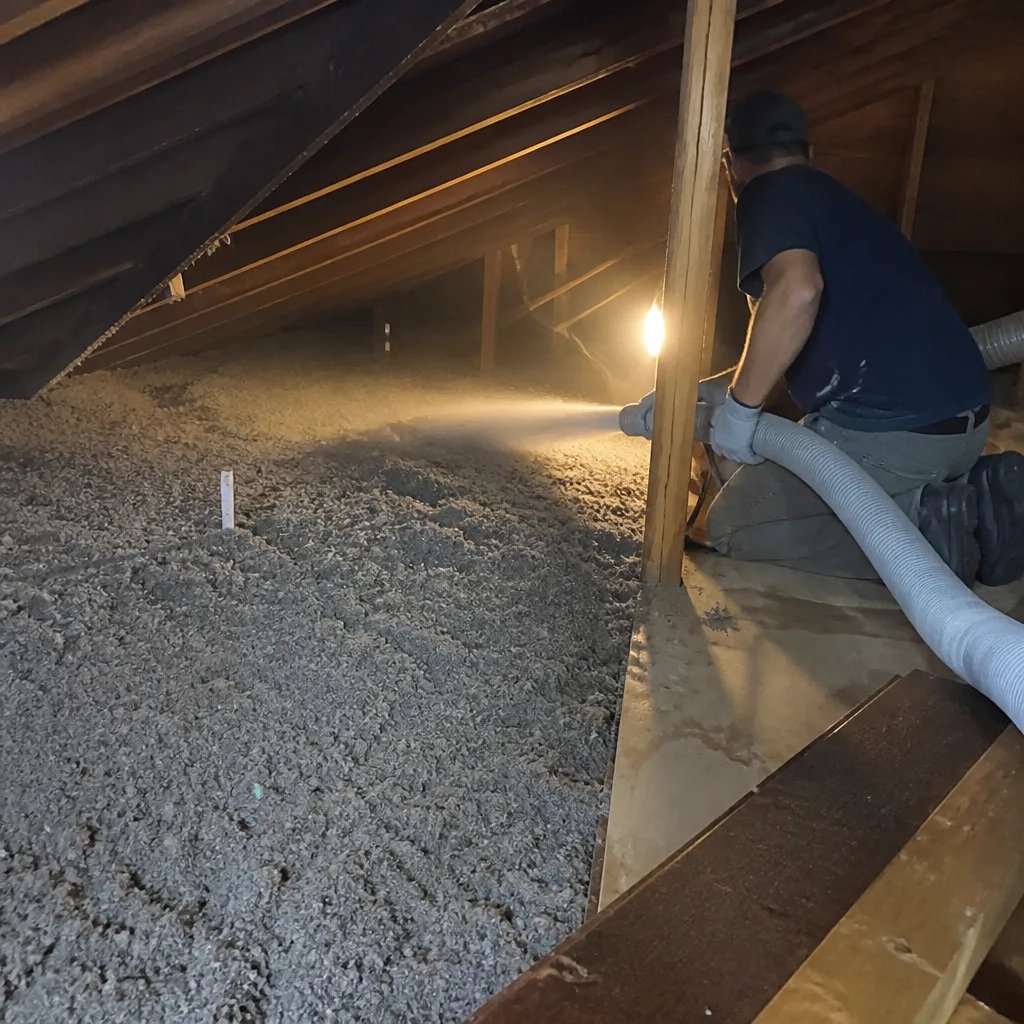
Full encapsulation goes beyond a barrier. We seal the vents, insulate the band joists with closed-cell foam or mineral wool, and turn the crawl space into a conditioned, dry part of the building envelope. On a hillside split-level off Alpine Road, our crew encapsulated a 1960s custom ranch that had been opened up for a seismic cripple-wall retrofit. We installed a 10-mil reinforced barrier, sprayed Demilec closed-cell foam on the band joists, and sealed every penetration. The homeowner had measured a 12-degree floor-to-ceiling swing before we arrived. Afterward, the floors stayed within three degrees of the main house.
Crawl Space Insulation
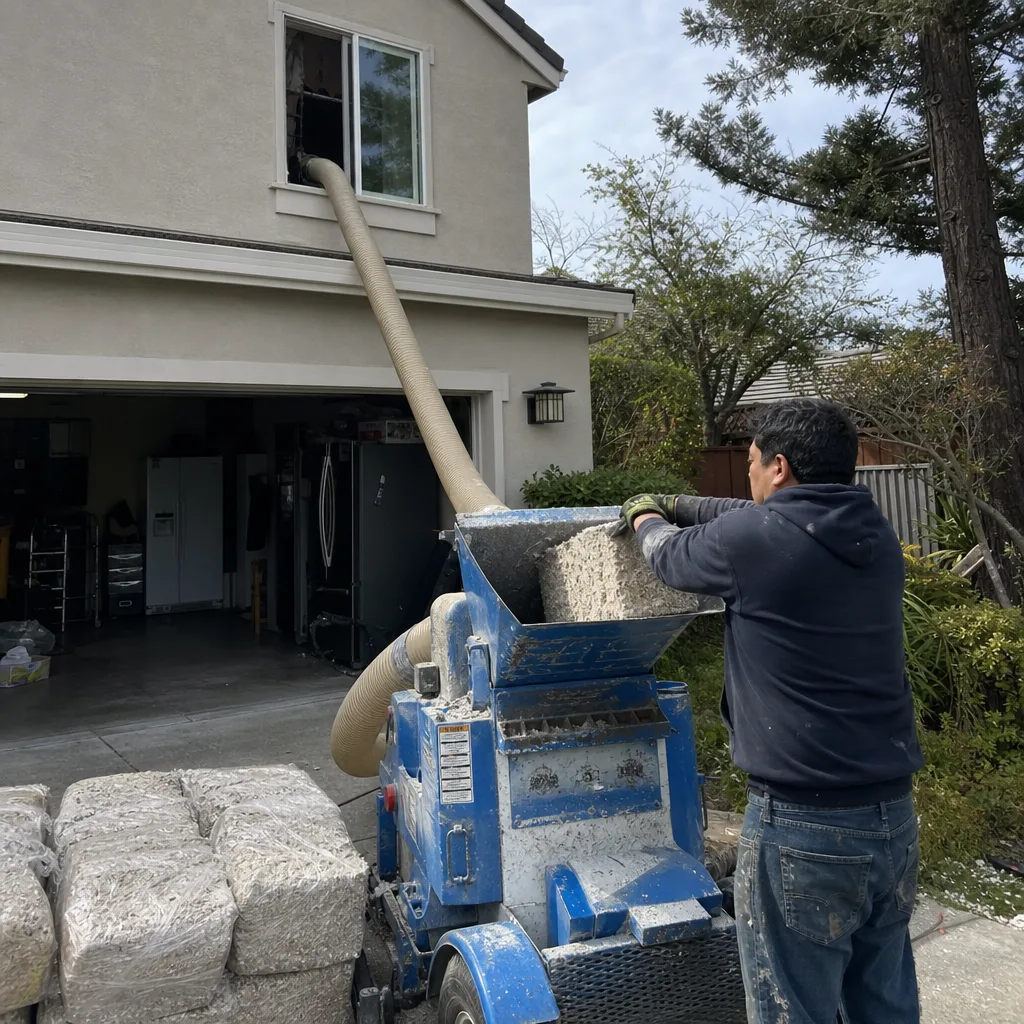
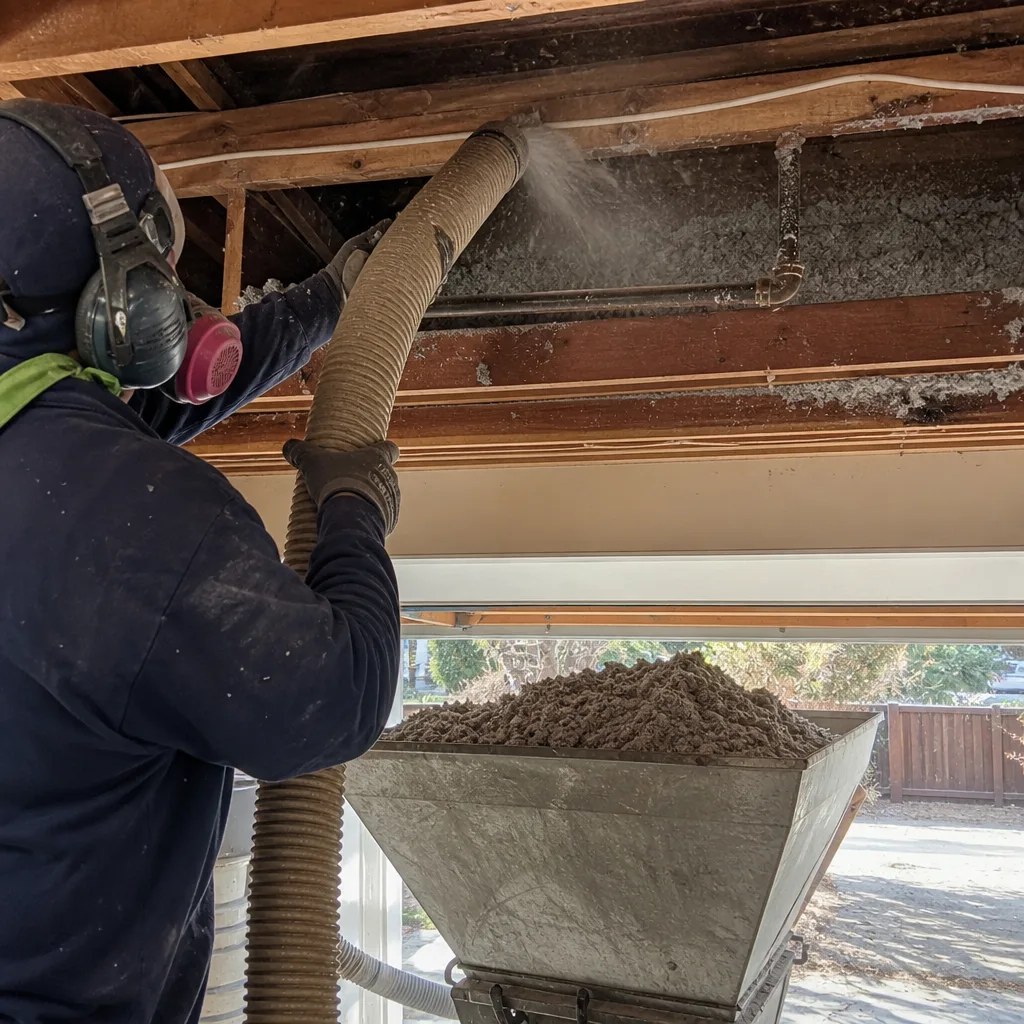
Most Portola Valley crawl spaces from the 1960s and 1970s have either zero insulation or fiberglass batts that have been hanging in damp air for forty years. That’s a mold problem waiting to happen. We replace old batts with closed-cell spray foam or Rockwool mineral wool, depending on what your home’s fire-rating needs and moisture conditions demand. The material choice is diagnostic, not a brand preference. If you’re in a WUI zone, that choice gets even more specific.
Crawl Space Moisture Control
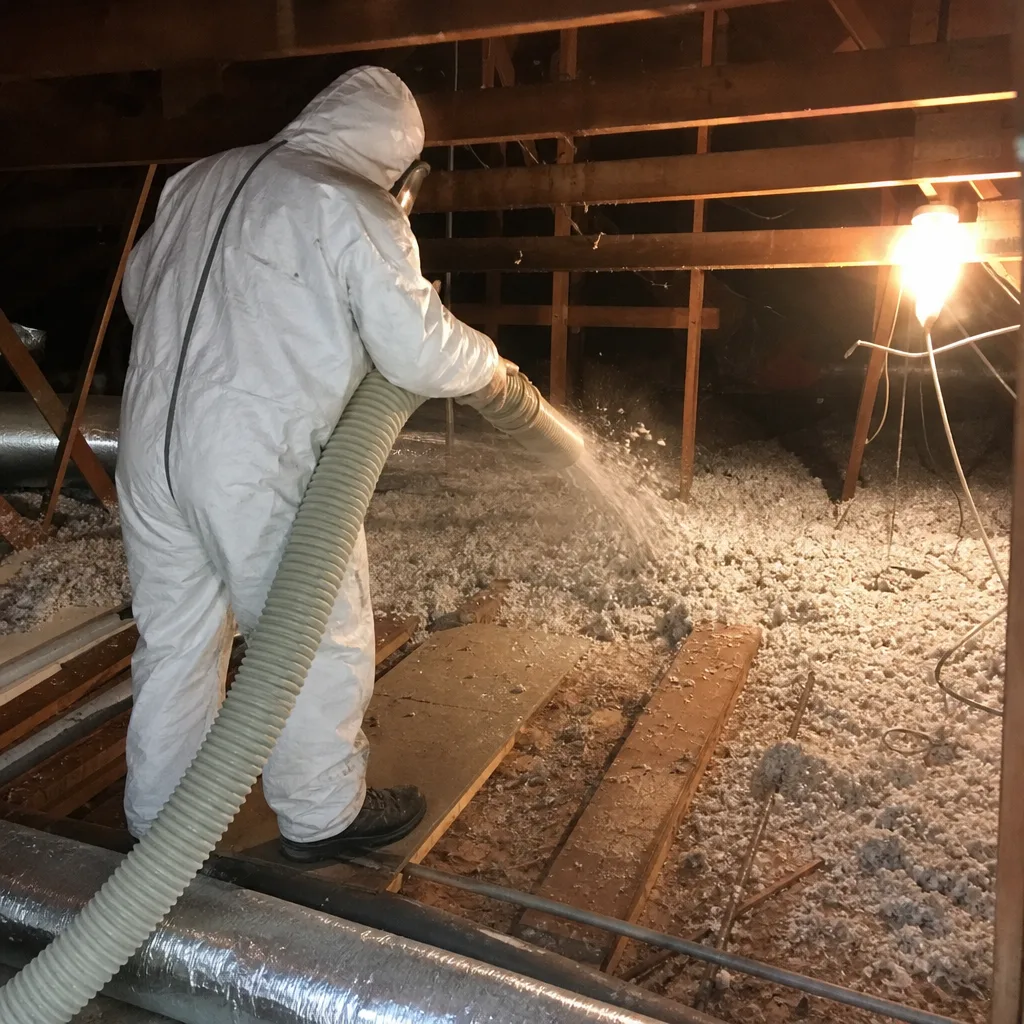
The marine layer doesn’t care if it’s August. Nighttime temperature inversions in Portola Valley cool the air enough that moisture condenses inside unsealed crawl spaces even during drought years. A commodity polyethylene barrier often makes this worse. It traps moisture against the wood framing and accelerates rot while inviting termites. We pair barriers with drainage assessment, vent sealing, and dehumidification when the site calls for it. The goal is a crawl space that stays dry year-round, not one that just looks covered.
What happens when you call
- 1
A real person answersNo phone trees — you reach a local pro.
- 2
You get an upfront price rangeHonest numbers before anyone is dispatched.
- 3
A background-checked tech heads outLicensed & insured, dispatched right away.
- 4
You approve before work beginsNothing starts until you say go.
Why Sierra Insulation Pleasanton Is the Right Fit for Portola Valley
Most insulation companies on the Peninsula treat Portola Valley as a far edge of their service map. We treat it as its own set of code requirements, weather patterns, and building styles. If you call us from Portola Valley, you’re not getting routed to a crew that’s never driven up Sand Hill Road and doesn’t know the difference between a WUI Zone and a regular building envelope. You’re getting Nate Caldwell on site, leading the install. Owner-installed, every time. Not a rotating cast of subcontractors.
We also run energy audits as a standalone service, which means we diagnose before we prescribe. If your crawl space is damp but your real problem is a leaky attic or missing wall insulation, we’ll tell you that. We find the problem before we sell you the fix. That approach matters in Portola Valley, where homes are big, complex, and expensive to get wrong.
Trusted Brands We Use in Portola Valley
We stock materials from eight professional lines, so the product you get is the product your home’s conditions actually demand. For Portola Valley crawl spaces, that often means Demilec or Icynene closed-cell foam for band joists and rim areas, Rockwool mineral wool where fire resistance and moisture resistance both matter, and Owens Corning or Johns Manville products for traditional thermal work. If a building inspector wants material spec sheets, we have them. Which brand gets used on your job depends entirely on your crawl space, not on what’s sitting in the back of our truck.
Common Crawl Space Problems in Portola Valley Homes
- Fog-driven moisture under hillside homes. Properties off Alpine Road, Westridge, and the lower slopes of Los Trancos sit in the path of marine fog that flows over the ridges. That fog condenses in unsealed crawl spaces year-round, even when the ground above is bone dry.
- Uninsulated floors under 1960s and 1970s split-levels. Temperature inversions drop floor assemblies 10 to 15 degrees below the main house at night. Cold floors, uncomfortable rooms, and a furnace that runs constantly while the occupants still feel chilled.
- Vapor barriers that fail WUI Chapter 7A review. The town’s building department red-tags barrier work that lacks documented flame-spread ratings. This stalls seismic retrofit combo permits and forces rework. We see it on a regular basis.
- Commodity polyethylene trapping moisture against framing. A cheap 6-mil barrier installed without sealing or drainage planning traps condensation against floor joists and girders. That accelerates rot and invites termites. In Portola Valley’s damp microclimates, this is the fastest path to structural damage.
Pricing for Crawl Space Encapsulation & Vapor Barrier in Portola Valley, CA
A vapor barrier install in Portola Valley runs $3,500 to $7,500 for a typical 1,200 to 1,800 square foot crawl space, depending on how much foundation wall coverage and pier sealing is needed. Full encapsulation with band joist insulation, vent sealing, and a dehumidifier runs $8,000 to $18,000. Homes that need seismic retrofit coordination or extensive moisture remediation can push beyond that. We give you a written, line-item quote before any work starts, and the estimate is free. If you’re combining encapsulation with a cripple-wall retrofit, we’ll coordinate with your seismic contractor so the permits don’t conflict. Call (925) 574-6007 and we’ll schedule a site visit.
We Also Serve Cities Near Portola Valley
Our Crawl Space Encapsulation & Vapor Barrier in Portola Valley coverage extends to Menlo Park, Los Altos, Atherton, and Palo Alto. Each area has its own code quirks and building patterns, and we adjust the approach accordingly. Same owner-led crew, same diagnostic-first process, wherever the job takes us.
Serving Portola Valley, CA — Our Local Coverage Area
We’re based in the Portola Valley area and know this community well. Use the map below to see our service coverage — if you’re nearby, we can almost certainly help.
FAQs — Crawl Space Encapsulation & Vapor Barrier in Portola Valley
Yes. If your Portola Valley home sits in the Very High Fire Hazard Severity Zone, your encapsulation materials must have documented flame-spread ratings that satisfy California WUI Chapter 7A. A commodity 6-mil vapor barrier without fire-rated documentation will not pass inspection, and the town’s building department will red-tag the work. We source barriers and insulations with the required ratings and provide the spec sheets your inspector will ask for. Call (925) 574-6007 if you’re unsure whether your property falls in the zone.
Yes, and in Portola Valley this is one of the most common project types we handle. A large share of older homes here have undergone or are actively pursuing cripple-wall retrofits because the Alquist-Priolo Fault Zone bisects the town. Those retrofits open the underfloor area anyway, which is the ideal time to add insulation and a vapor barrier. We coordinate directly with seismic contractors so the encapsulation work doesn’t interfere with retrofit inspections or permit timelines.
Marine-layer fog. Portola Valley’s hillside terrain funnels fog from the Pacific over the Santa Cruz Mountain ridges, and nighttime temperature inversions cool the air enough that moisture condenses inside your crawl space. This happens even during dry summer months. If your crawl space has open vents, the fog moves in every evening. Sealing the vents and installing a properly rated vapor barrier stops that cycle. Call (925) 574-6007 and we’ll diagnose what’s happening under your house specifically.
A vapor barrier covers the ground and foundation walls with reinforced polyethylene to block ground moisture. A full encapsulation goes further: we seal the vents, insulate the band joists, seal all penetrations, and often add a dehumidifier so the crawl space becomes a conditioned part of the home. In Portola Valley, the fog and temperature inversions mean that a barrier alone often isn’t enough for homes on hillside lots. Encapsulation is usually the right call when you’re already dealing with cold floors or musty air.
If your home was built before the 1980s and the crawl space insulation has never been touched, it predates California’s Title 24 energy code entirely. Look for sagging fiberglass batts, black staining from moisture, or insulation that’s fallen away from the floor assembly. Any of those signs means the insulation has lost most of its R-value and is likely holding moisture against the wood. We’ll assess it during a site visit and tell you honestly whether replacement is justified. Estimates are free.
Ready to Fix Your Portola Valley Crawl Space?
If your Portola Valley home has cold floors, musty air, or a crawl space that’s never been properly sealed, let’s talk. Nate Caldwell will come out, look at what’s actually happening under your house, and give you a straight answer. Call (925) 574-6007 today for a free estimate. We serve homes across Portola Valley, from Alpine Road to Westridge and everywhere between.
Written by Nate Caldwell, Owner at Sierra Insulation Pleasanton, serving Portola Valley and the surrounding Peninsula communities.