Trusted Radiant Barrier Installation for Pleasanton Homeowners
Wondering how much Radiant Barrier Installation costs? In Pleasanton it typically runs $1,200 to $3,400 for a standard attic application, and most jobs are completed in a single day. The real question is whether your attic is working against you. Pleasanton summers routinely push attic temperatures past 140°F, and that heat radiates down into your living space, forcing your AC to run longer just to hold 74°F. A properly installed radiant barrier reflects up to 97% of radiant heat back toward the roof deck, which means your insulation stays cooler, your second floor stops baking by mid-afternoon, and your cooling costs drop measurably. Nate Caldwell, owner of Sierra Insulation Pleasanton, personally leads every radiant barrier installation we do. No crew handoffs. No guesswork. Call (925) 574-6007 and we’ll inspect your attic the right way before we recommend anything.
What Our Radiant Barrier Installation Service Includes
Radiant barrier isn’t a one-size-fits-all product. Where and how you install it depends on your attic’s configuration, your existing insulation, and your ventilation setup. Here’s what we actually do under each part of our Radiant Barrier Installation — Pleasanton service umbrella.
Attic Radiant Barrier
This is the most common radiant barrier application for Pleasanton homes, and it involves securing a reflective foil layer to the underside of your roof rafters, directly below the roof deck. The foil faces the attic floor and reflects heat radiating off the hot roof before it can reach your insulation or your ceiling below. In Pleasanton homes with west-facing roof slopes, this single change is often enough to drop second-floor temperatures by 8-12 degrees on hot afternoons. We handle placement carefully around can lights, junction boxes, and any roof penetrations so the barrier performs without creating moisture traps or electrical hazards.
Radiant Barrier Foil
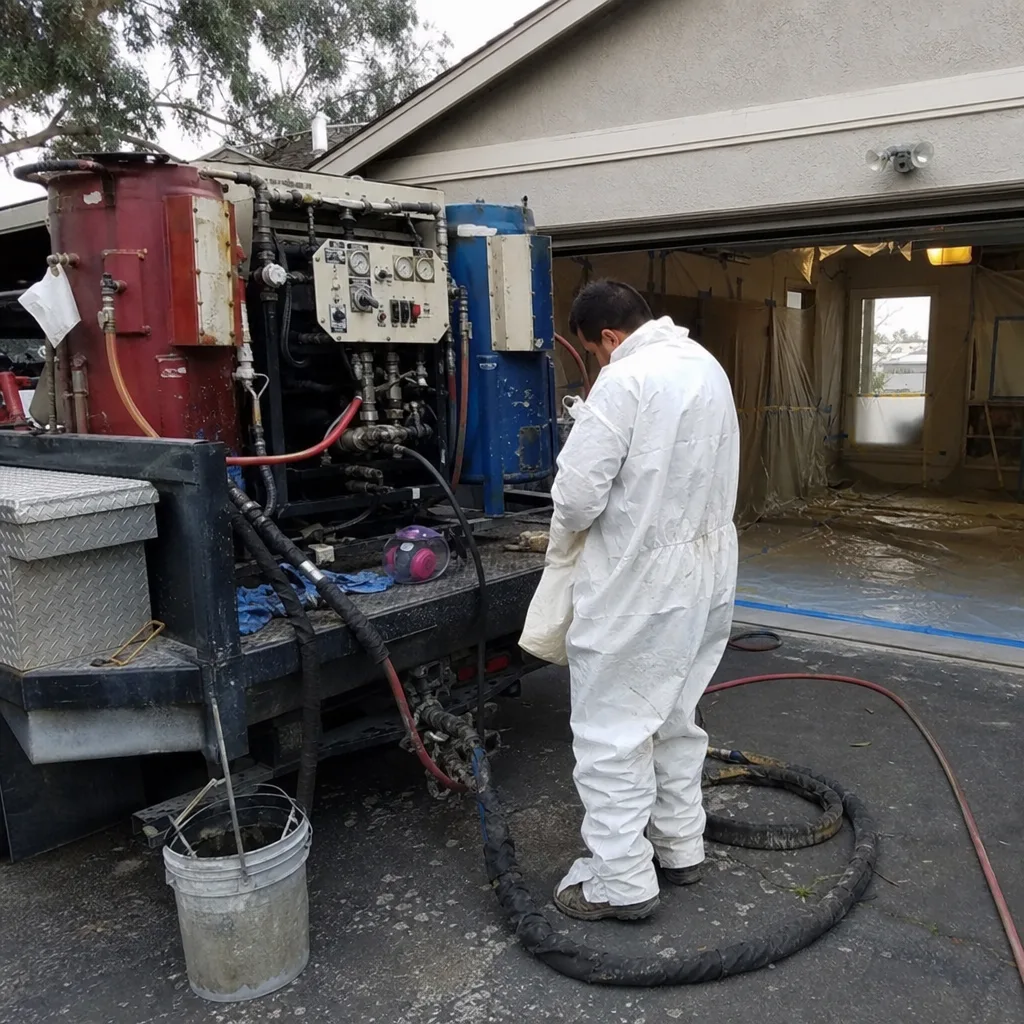
Radiant barrier foil is the material itself: a thin, perforated aluminum sheet laminated to a substrate, designed to block radiant heat transfer while allowing moisture vapor to pass. Not all foil is created equal. We stock several professional-grade foil products and select one based on your attic’s ventilation characteristics. Perforated foil is specified for open attics where humidity can rise; solid foil works in fully sealed assemblies. In your Pleasanton home, the choice matters. A foil with the wrong permeability rating in a tightly vented attic can trap moisture and create conditions for mold. We match the product to the building science of your specific attic, not to whatever is on sale that week.
Radiant Barrier Roof Deck
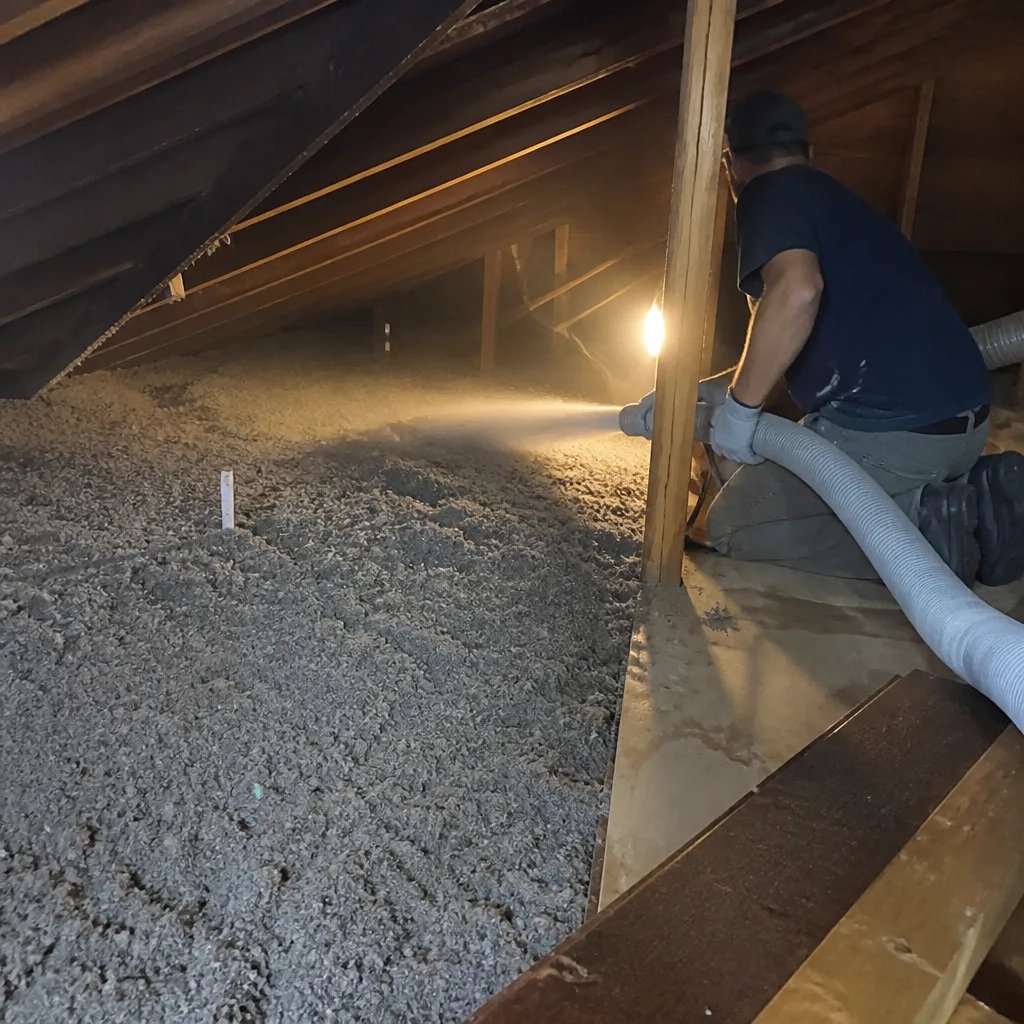
Roof deck radiant barrier is installed on the underside of the roof sheathing itself, either applied in sheets along the rafters or, on new construction and reroofs, as a factory-laminated sheathing product. If your Pleasanton home needs a reroof, we can coordinate with your roofer to get a laminated radiant barrier decking installed from the start. For existing roofs, we install barrier sheets against the decking from inside the attic. This configuration is the most effective at stopping heat before it enters the attic airspace. It works particularly well in Pleasanton’s climate because our summer heat arrives as intense direct sun, and the roof deck is the first surface that absorbs it.
Radiant Barrier & Ventilation
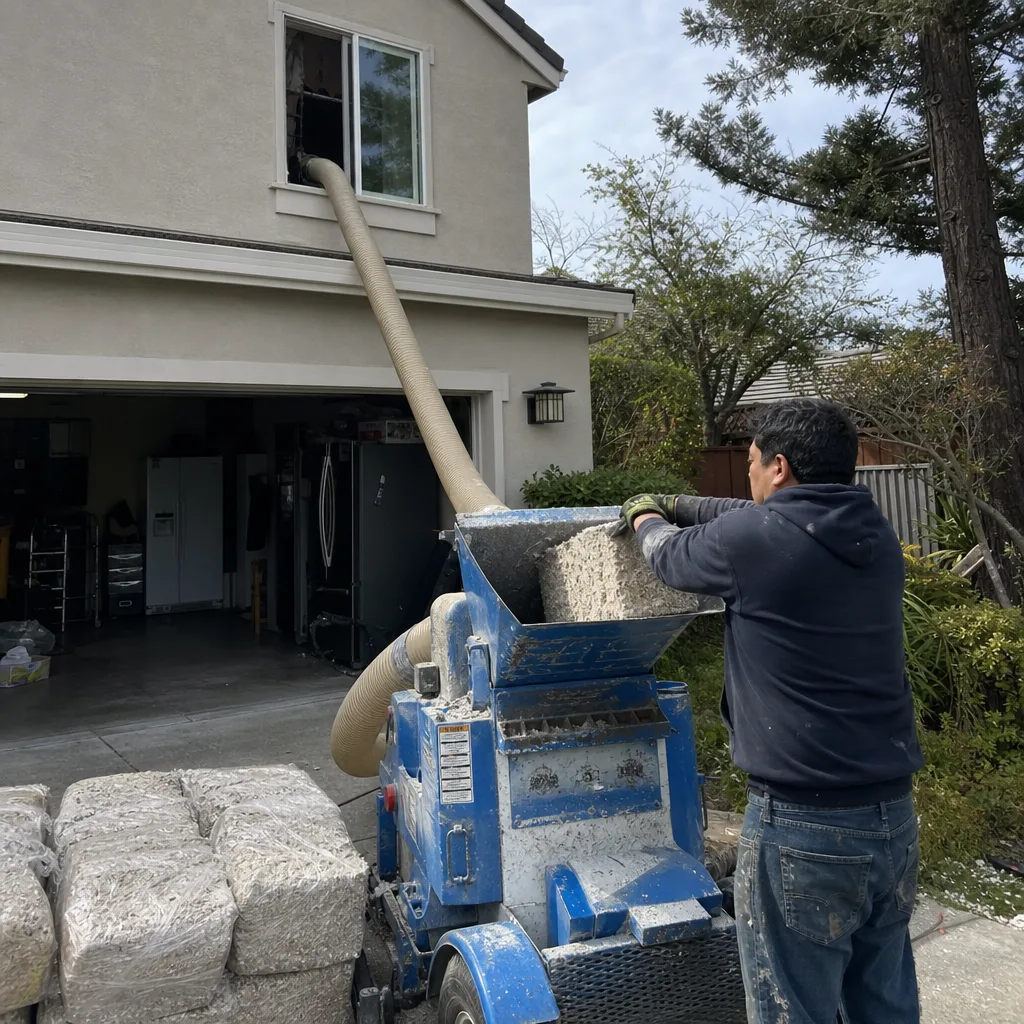
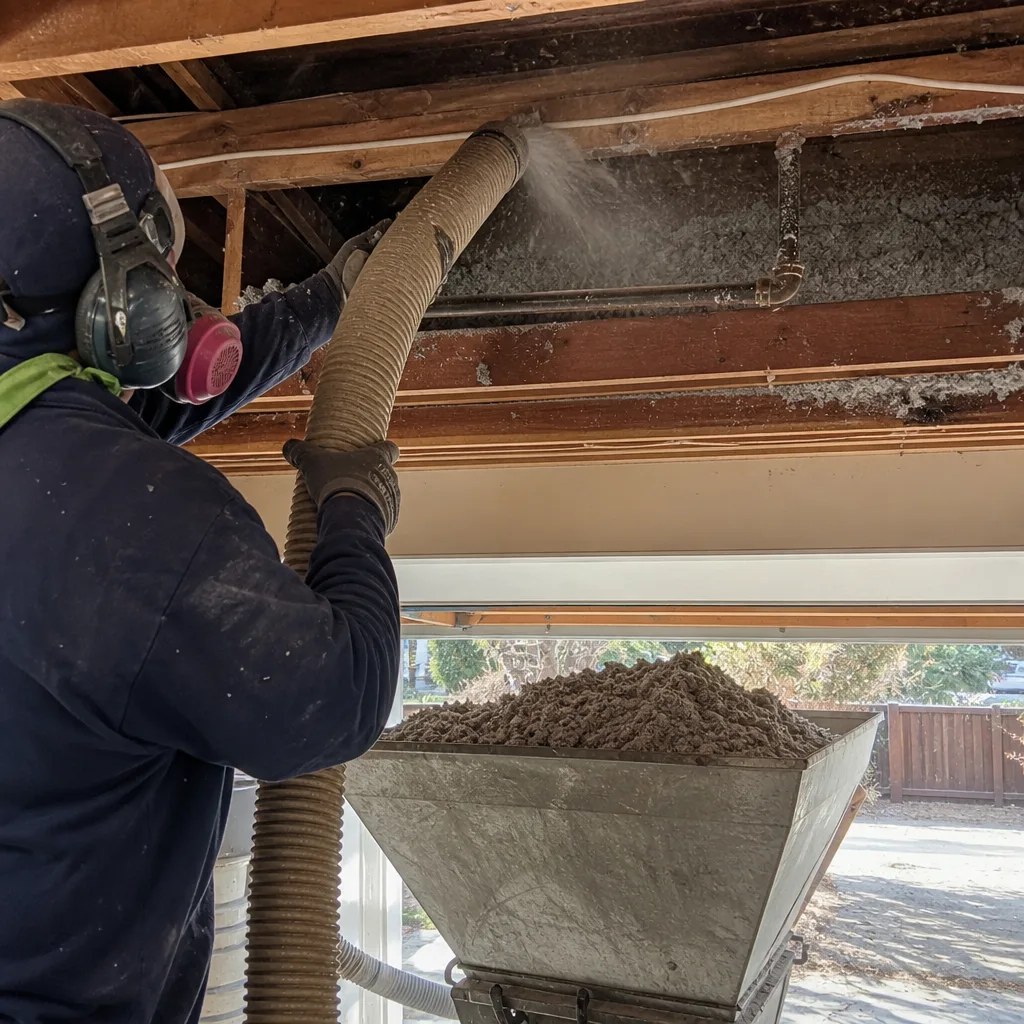
Radiant barrier only works correctly if your attic ventilates properly. If your attic has too little intake or exhaust airflow, heat still builds, the barrier’s effectiveness drops, and moisture problems appear. When we install radiant barrier in Pleasanton, we evaluate your ridge vents, soffit vents, gable vents, and any powered attic fans. We’ve opened attics in the Vintage Hills area where soffit vents were completely buried under blown-in insulation, effectively zeroing out the ventilation. In those cases, we install baffles to restore airflow before the barrier goes up. The barrier slows radiant heat gain; the ventilation removes the heat that does get through. You need both working together.
What happens when you call
- 1
A real person answersNo phone trees — you reach a local pro.
- 2
You get an upfront price rangeHonest numbers before anyone is dispatched.
- 3
A background-checked tech heads outLicensed & insured, dispatched right away.
- 4
You approve before work beginsNothing starts until you say go.
Brands We Service for Radiant Barrier Installation
Our radiant barrier work often integrates with Owens Corning fiberglass insulation products. When we install a barrier over existing attic insulation, and that insulation is Owens Corning blown-in fiberglass, we understand exactly how the two systems interact. The R-value of the fiberglass is independent of the barrier, but a barrier dropping the attic temperature by 30 degrees means that R-38 performs like it would on a mild spring day, not a 105-degree August afternoon. We work around and over Owens Corning products regularly and never compromise the existing insulation’s performance.
For homes where we’re pairing radiant barrier with attic air sealing, we frequently use Johns Manville and Knauf products in conjunction with the barrier installation. Johns Manville’s fiberglass batts are a common sight in Pleasanton attics we service, and Knauf’s blown-in insulation appears in a lot of custom homes in the Ruby Hill area. Each brand has its own installation tolerances and characteristics. We know what those are because we work with these materials on our own jobs, not as occasional substitutes. Whether your attic has Owens Corning, Johns Manville, Knauf, or any other make, we can install a radiant barrier that works with it.
Signs You Need Radiant Barrier Installation Right Now
- Your upstairs rooms run 8-10 degrees hotter than downstairs. This is the single most common complaint we hear from Pleasanton homeowners, and it’s almost always a radiant heat problem. When the sun beats on your roof all afternoon, your attic becomes a heat sink, and that heat conducts through the ceiling into second-floor bedrooms. Radiant barrier directly attacks the mechanism causing the problem.
- Your AC runs nonstop on hot afternoons and still can’t hold temperature. If your air conditioner is sized correctly but the house still heats up, the heat load isn’t coming from outside air leaking in – it’s coming from above. A radiant barrier can reduce your attic’s contribution to the cooling load by enough that your AC actually cycles off during the hottest part of the day.
- Your attic feels like a sauna when you open the hatch. An attic that’s 140 degrees or hotter in summer is radiating heat down into your living space at a rate that no amount of insulation alone can stop. Insulation slows conductive heat transfer. It does very little against radiant heat. If you open the attic hatch and the heat hits you in the face, your home is a strong candidate for a radiant barrier.
- Your roof gets direct afternoon sun with no tree cover. Homes in Pleasanton’s open hillside neighborhoods, like the areas around Del Valle Parkway and the eastern slopes near Augustin Bernal Park, get relentless afternoon exposure. Without tree shade, the roof surface can hit 160°F. A radiant barrier is the highest-leverage upgrade for homes in direct sun.
- You’re adding or replacing attic insulation anyway. If you’re already planning to top off or replace attic insulation, installing a radiant barrier at the same time is the most cost-effective way to get both upgrades. The attic is already open, we’re already in there, and the marginal cost of adding the barrier is far lower than doing it as a standalone project later. It’s a “while we’re in there” opportunity that saves real money.
Our Radiant Barrier Installation Process — Step by Step
Every radiant barrier job we do in Pleasanton follows the same sequence. It’s designed to catch problems before they get covered up, and it’s the same process Nate uses whether the home is a 1960s rancher near downtown or a 4,000-square-foot newer build in the hills.
- 1
Attic inspection and heat-load assessment. Nate walks the entire attic space, checking the existing insulation depth, ventilation points, air leakage paths, and any wiring or fixtures that will affect barrier placement. He’s looking for the specific conditions that determine whether radiant barrier is the right call, and where it should go. If he sees something that should be fixed first – like a bathroom fan venting into the attic – he’ll tell you before we quote the job.
- 2
Ventilation check and correction. Before any barrier goes up, we verify that soffit vents are clear, ridge or gable vents are functioning, and the attic is moving air the way it should. In many Pleasanton homes we’ve had to install baffles or clear buried vents first. A radiant barrier in an under-ventilated attic is a liability, not an upgrade, and we won’t install one that way.
- 3
Barrier installation against the roof deck or rafters. We secure the foil barrier to the underside of the roof rafters or directly to the roof decking, depending on your attic configuration and the specific product we’ve selected. We cut around ceiling boxes, vents, and penetrations carefully, leaving required clearances around electrical fixtures. The barrier is installed with the reflective surface facing the attic airspace, and seams are overlapped properly so heat doesn’t find gaps.
- 4
Sealing and integration with existing insulation. After the barrier is in place, we check that it integrates cleanly with whatever insulation already exists. If we’re also doing attic air sealing – and a lot of our Pleasanton radiant barrier jobs include it – we seal top plates, penetrations, and duct leaks before we leave. The barrier handles radiant heat; the sealing handles convective heat loss. Both matter.
- 5
Verification and homeowner walkthrough. Before we pack up, Nate walks you through the attic or shows you photos of the finished installation. You’ll see where the barrier was installed, how the seams are lapped, and what the ventilation looks like. You’ll also get an honest assessment of what to expect: how much of a temperature difference you should notice, and when you’ll see it show up on your utility bill. We don’t leave a job without making sure you understand what was done and why.
How Much Does Radiant Barrier Installation Cost in Pleasanton?
A straightforward attic radiant barrier installation in Pleasanton typically runs $1,200 to $2,000 for a standard 1,500-2,000 square foot attic. If we’re also installing baffles to restore soffit ventilation, adding attic air sealing, or working around complex roof geometry, the total can reach $2,500 to $3,400. Homes with very large attics, low-slope roofs, or extensive existing insulation that needs working around fall toward the higher end. The material itself is not the expensive part – it’s the labor of installing it carefully around every rafter, truss, and penetration.
What affects the price most is access and complexity. A clean, open attic with easy walkable space costs less than a tight attic with low clearance and HVAC ducting everywhere. Roof pitch matters too: a steep roof means more ladder work and more careful positioning. If your attic needs ventilation corrections first, that adds cost but is non-negotiable for the barrier to work. Every estimate we give is free, and we’ll show you exactly what you’re paying for before any work begins. We don’t do blind quotes and we don’t surprise you with “unexpected complications” at the end.
Radiant Barrier Installation Near Pleasanton — Our Service Area
We provide Radiant Barrier Installation in Pleasanton and surrounding communities including Radiant Barrier Installation in Newark, Radiant Barrier Installation in Sunol, Dublin, Livermore, San Ramon, and Danville. Typical response time for a Pleasanton attic inspection is 1-2 business days, and emergency attic issues are handled as fast as we can get a ladder to your house. If you’re in the Tri-Valley and your attic is baking, we’re close by.
Serving Pleasanton, CA — Our Local Coverage Area
We’re based in the Pleasanton area and know this community well. Use the map below to see our service coverage — if you’re nearby, we can almost certainly help.
Frequently Asked Questions — Radiant Barrier Installation in Pleasanton
Radiant barrier installation is the process of securing a reflective foil material to the underside of your roof rafters or roof deck to reflect radiant heat before it can enter your attic. It works on emissivity, not insulation value, which means it stops heat transfer by reflection rather than absorption. In Pleasanton’s summer climate, a properly installed radiant barrier can reduce attic temperatures by 20 to 30 degrees and second-floor temperatures by 8 to 12 degrees.
Most Pleasanton radiant barrier installations are completed in a single day. A straightforward open attic takes 4 to 6 hours, while a complex job involving ventilation corrections, air sealing, or difficult access may run into a second day. We’ll give you a firm timeline when we quote the job, and Nate is on site the whole time.
Expect $1,200 to $3,400 depending on attic size, roof complexity, and whether ventilation corrections are needed. A standard Pleasanton attic runs $1,200 to $2,000 for the barrier alone. Adding baffles, air sealing, or tackling a complex roof pushes the total higher. Call (925) 574-6007 for a free, line-item estimate before you decide anything.
Yes, and most of the Pleasanton attics we work in already have blown-in fiberglass or cellulose. The radiant barrier goes against the roof deck or rafters, above the insulation, so the two systems don’t interfere with each other. We’re careful not to compress the existing insulation while working, because compressed insulation loses R-value.
If your attic is dangerously hot, your AC has failed, or you’ve discovered moisture problems, call (925) 574-6007 and we’ll get to you as quickly as the schedule allows, typically within 1-2 business days. We also offer Radiant Barrier Installation in Sunol and prioritize Pleasanton and the immediate Tri-Valley for same-week service when we can.
The foil products we install carry manufacturer warranties covering material defects, and we stand behind our installation workmanship. We’ll explain the specific warranty terms on the products we select for your attic before the job starts. If something isn’t right after we leave, we come back and make it right.
You don’t need to do much. We’ll need clear access to the attic hatch or pull-down stairs, and we ask that you move any stored items away from the work areas in the attic itself. If you have boxes or furniture stored around the hatch inside the house, clearing a path helps us work quickly and keeps your belongings clean. We handle everything else.
Schedule Your Radiant Barrier Installation Service in Pleasanton Today
Your Pleasanton attic is working against you every summer afternoon. Let’s change that. Call (925) 574-6007 to schedule a free attic inspection and get an honest, line-item estimate for radiant barrier installation. Nate will come out, walk the attic with you, and tell you exactly what your home needs – and what it doesn’t. No pressure, no obligation, just straight answers from the owner who will do the work.
Written by Nate Caldwell, Owner at Sierra Insulation Pleasanton, serving Pleasanton and the Tri-Valley.