Trusted Attic Cleaning & Rodent Proofing for Pleasanton Homeowners
Attic Cleaning & Rodent Proofing in Pleasanton typically costs between $850 and $2,400 depending on attic size, contamination level, and the extent of exclusion work needed. Most jobs are completed in one to two days, and Sierra Insulation Pleasanton offers same-week scheduling for urgent rodent infestations. If you’re hearing scratching above the ceiling at night or you’ve spotted droppings near your attic hatch, call Nate Caldwell at (925) 574-6007 for a free inspection and a straight answer about what’s going on up there.
This isn’t a side service for us. Attic cleaning and rodent proofing is one of the ten core services we perform, and it’s the service where we see the most deferred maintenance in Pleasanton homes. We’ve crawled through attics in Birdland, Vintage Hills, and Downtown Pleasanton where insulation has been shredded into nesting material and decades-old droppings have turned the air you breathe into something you’d rather not think about. The damage rodents do to an attic envelope is mechanical and biological. We fix both.
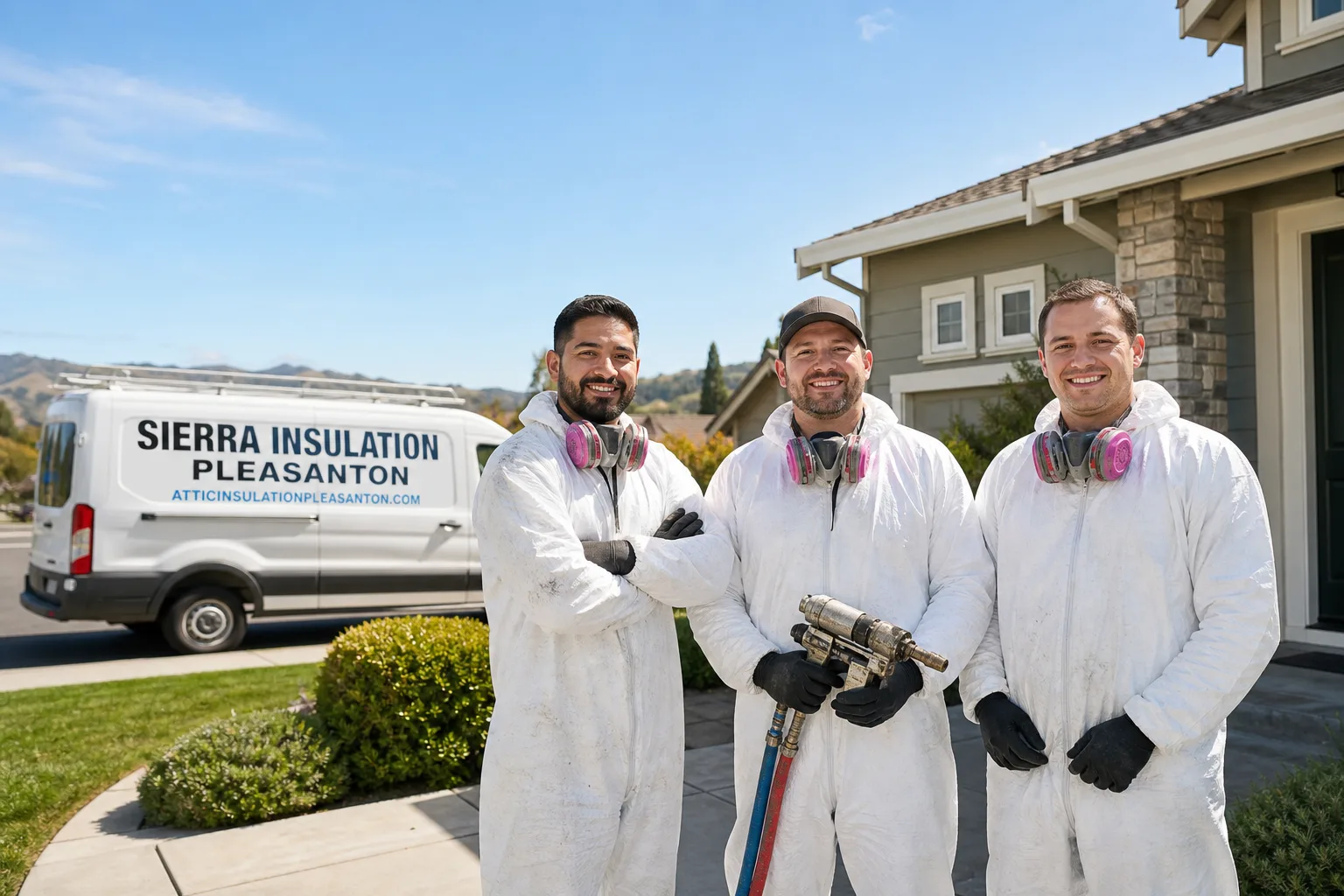
Nate Caldwell, the owner, is the lead installer on every job. You won’t get a rotating crew. You’ll get the person accountable for the result, on site, doing the work himself.
What Our Attic Cleaning & Rodent Proofing Service Includes
We break this service into four distinct phases because treating them as one vague job is how attics stay half-fixed. Each phase addresses a different part of the problem: removing what’s contaminated, killing what’s left behind, sealing the entries, and rebuilding the attic to a clean, functional state. Here’s exactly what each includes.
Attic Cleanout
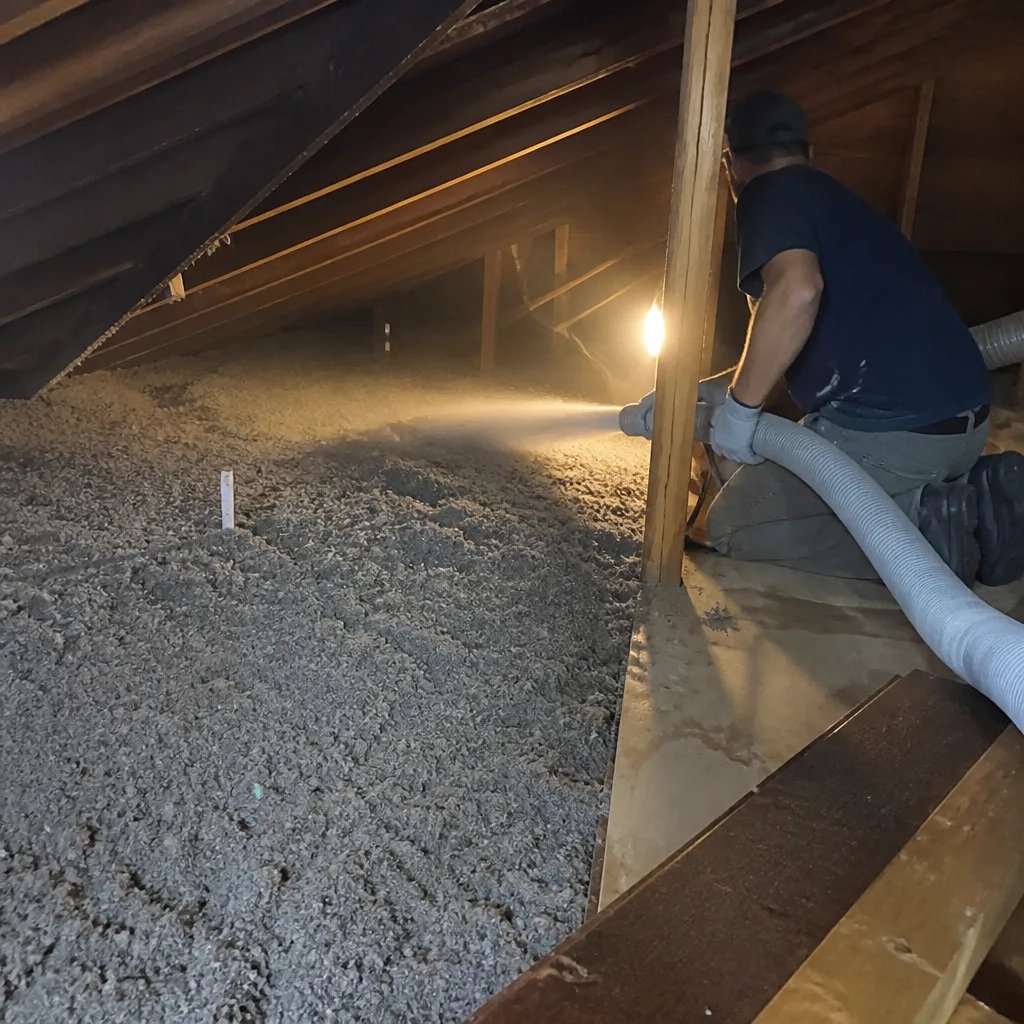
A full attic cleanout means we remove everything that shouldn’t be there: old insulation that’s been compressed, soiled, or chewed through, rodent nesting material, food caches, and any debris left behind by previous contractors. This isn’t a quick vacuum pass. We physically clear the space down to the decking so we can see the actual condition of your attic structure, wiring, and ductwork. In Pleasanton homes built in the 1960s and 70s, we often find that what looked like a “minor rodent issue” turned out to be years of unseen activity hidden under the insulation. Once the attic is empty, we can tell you exactly what you’re dealing with and what it’ll take to fix it.
Attic Sanitizing & Decontamination
Rodent urine and feces carry pathogens that don’t disappear just because the animals are gone. After removal, we treat the attic with a professional-grade antimicrobial and enzyme-based decontamination process that neutralizes odors and kills bacteria, mold spores, and the pheromone trails that attract new rodents. This step matters for two reasons: your indoor air quality is directly affected by what’s in your attic, and any scent left behind signals to other rodents that this is a safe place to nest. We sanitize the full exposed surfaces of the attic, including joists, decking, and any remaining structural elements. For attics where contamination has penetrated into the insulation itself, we’ll recommend removal and replacement rather than trying to “clean” material that can’t be cleaned.
Rodent Proofing & Exclusion
Exclusion is the part of rodent control that most homeowners and many contractors skip, and it’s the only part that actually ends the problem. We don’t set traps and call it done. We seal the building envelope from the inside and outside, finding and closing every entry point a rat or mouse can use. That means screening gable vents with galvanized hardware cloth, sealing the gaps around plumbing stacks and electrical penetrations, repairing damaged roof edges and soffits, and installing rodent-proof covers on roof vents. In Pleasanton, roof rats are the dominant species we deal with, and they are phenomenal climbers. Exclusion has to be thorough and specific, not a spray-foam shotgun approach. We use materials sized for the opening and the location, and we verify every seal before we finish.
Attic Restoration
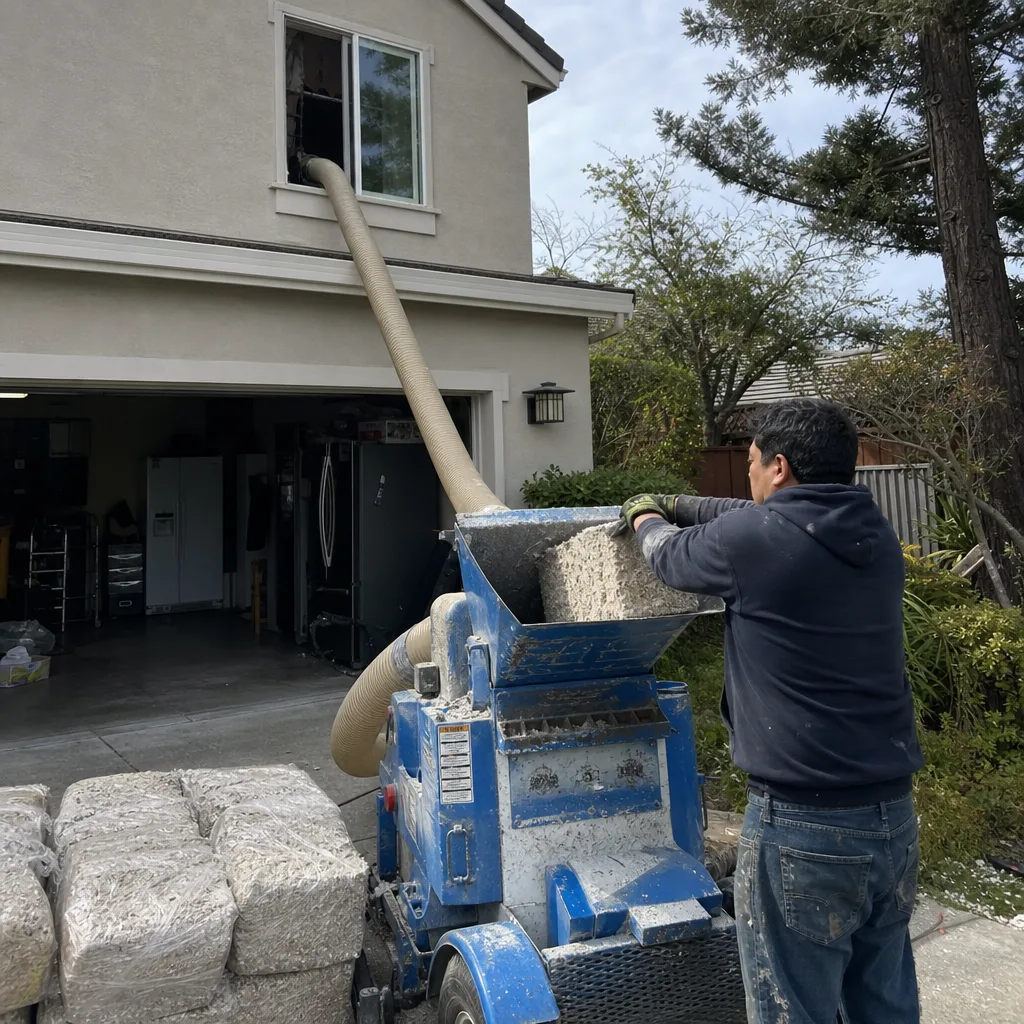
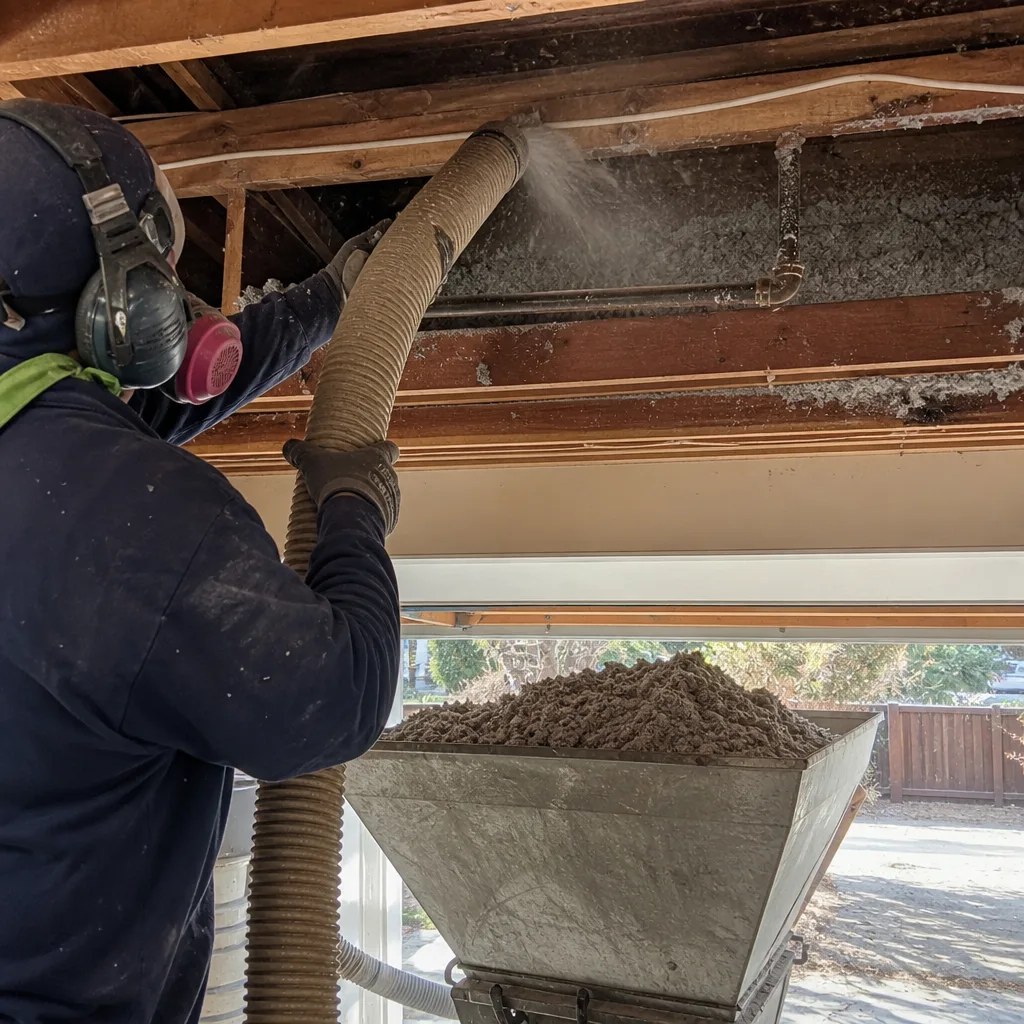
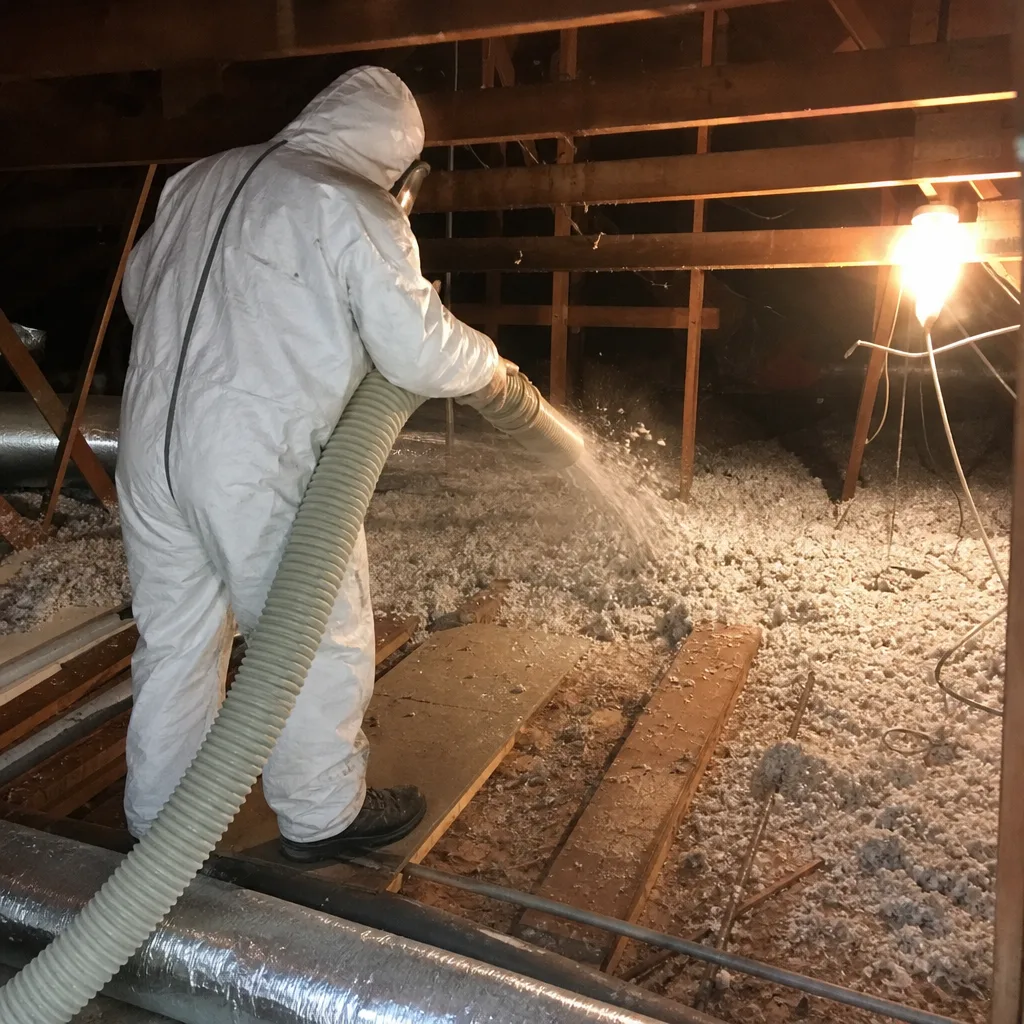
Once the attic is clean and sealed, restoration means bringing the space back to a condition that actually performs. That usually involves replacing the insulation we removed during cleanout, since contaminated or compacted insulation has lost its R-value. Because Sierra Insulation Pleasanton stocks eight professional material brands including Owens Corning, Johns Manville, and GreenFiber, we can match the right insulation type to your attic’s actual conditions: loose-fill blown-in for broad coverage across irregular joist spacing, batts for accessible areas, or spray foam where air sealing is critical. We also inspect and repair any chewed wiring cladding where it’s minor and point you to an electrician where it’s not. The goal is an attic you wouldn’t mind showing a home inspector.
What happens when you call
- 1
A real person answersNo phone trees — you reach a local pro.
- 2
You get an upfront price rangeHonest numbers before anyone is dispatched.
- 3
A background-checked tech heads outLicensed & insured, dispatched right away.
- 4
You approve before work beginsNothing starts until you say go.
Brands We Service for Attic Cleaning & Rodent Proofing
When your attic has been through a rodent infestation, the brand of insulation you have matters because some materials handle contamination better than others, and some are more attractive to nesting rodents than their neighbors. We work with all major insulation types, and we’ve done enough removals and replacements to know how each one behaves in a real attic.
We regularly remove and replace Owens Corning fiberglass batts and blown-in products from rodent-damaged attics throughout Pleasanton. Fiberglass batts are particularly vulnerable to being torn apart and hollowed out for nests, and when that happens, the R-value in those areas effectively drops to zero. We can remove the damaged material and reinstall new Owens Corning insulation matched to the original spec. For loose-fill applications, we use GreenFiber cellulose, which is treated with borates and is less attractive to rodents than fiberglass when installed correctly. And when the home has Johns Manville products, we’re familiar with their full product line for both attic and wall applications. Whether your attic has one of these brands, a mix, or something else entirely, we can handle the removal, the proofing, and the reinstallation.
Signs You Need Attic Cleaning & Rodent Proofing Right Now
- Scratching, scurrying, or thumping sounds in the ceiling or walls. Rodents are most active at dusk and dawn. If you’re hearing movement right around sunset or first thing in the morning, it’s likely roof rats traveling between your attic and outside food sources. The sounds alone mean they’re already inside; the question is how long they’ve been there.
- Droppings in the attic, garage, or along exterior walls. Rat droppings are dark, capsule-shaped, and about the size of a grain of rice. Mouse droppings are smaller, about the size of a sesame seed. Either way, fresh droppings mean an active population, not an old problem. If your attic hatch is in a hallway closet, check the top shelf for signs.
- A musty, ammonia-like smell coming from the attic or upstairs rooms. Rodent urine soaks into insulation, decking, and drywall. Over time, this creates a distinct odor that intensifies with heat. In a Pleasanton summer, an attic can hit 140 degrees, and that smell gets pushed into the living space. It’s not a ventilation problem; it’s a contamination problem.
- You’ve found chewed wires, shredded insulation, or damaged ductwork. Rodents gnaw continuously because their teeth never stop growing. Chewed electrical cladding is a fire risk, and shredded insulation means they’ve been building nests. Both are signs of an established infestation that has been active for weeks or months.
- Grease marks or smudges along the roofline, fences, or attic access points. Rats leave oily residue from their fur along regular travel paths. If you see dark smudges where a branch touches the roof or along a fence top, you’re looking at a rodent highway. Sealing the attic without cutting these access routes just forces the rodents to find another way in.
Our Attic Cleaning & Rodent Proofing Process — Step by Step
We don’t guess at what your attic needs. Our process is diagnostic first, treatment second. It’s the same approach we use for home energy assessments: find the problem before you prescribe the fix. Here’s how a typical attic cleaning and rodent proofing job goes from start to finish in a Pleasanton home.
- 1
Inspection and assessment. Nate starts by walking the full perimeter of your home and looking at the roof line, eaves, vents, and any tree branches or utility lines touching the structure. Then he goes into the attic with a respirator and a headlamp and documents what he finds: entry points, nesting sites, contamination level, and insulation condition. You get a direct explanation of what’s happening and what it’ll take to fix it.
- 2
Containment and removal. We set up containment to keep dust and contaminants from spreading into your living space. Then we remove all contaminated insulation, nesting material, droppings, and debris. We use commercial HEPA-filtered vacuums designed for this kind of work, not a shop vac from the garage. The attic is cleared down to the decking.
- 3
Sanitizing and deodorizing. With the attic empty, we apply our sanitizing and decontamination treatment to all exposed surfaces. This kills bacteria and neutralizes the odors and pheromones that attract new rodents. We treat every joist, rafter, and deck board, not just the obvious spots. The attic needs to be biologically neutral before we seal anything.
- 4
Exclusion and sealing. This is the stage where the problem actually gets solved. We seal every entry point we identified during inspection, from the smallest utility penetration to the largest gable vent. We use galvanized hardware cloth, steel wool, sealants rated for exterior use, and vent covers sized for rodent exclusion. Sealing is done from both inside and outside where the structure allows. Every seal is checked by hand.
- 5
Insulation replacement and final verification. Once the attic is clean and sealed, we install new insulation matched to your home’s current conditions and local building code. This can be blown-in fiberglass, cellulose, or batts, depending on what your attic needs. Then we do a final walk-through: visual verification of every seal, confirmation that the attic is clean, and a summary of what was done and what to watch for. You don’t sign off until you’ve seen the result.
How Much Does Attic Cleaning & Rodent Proofing Cost in Pleasanton?
Attic Cleaning & Rodent Proofing pricing runs $850 to $2,400 for most homes, with the average project landing around $1,400 — see our detailed Attic Cleaning & Rodent Proofing pricing breakdown. A straightforward cleanout and sanitizing in a 1,200-square-foot home with light contamination starts near the low end. A full exclusion job on a two-story home with multiple entry points, deep contamination, and insulation replacement at R-38 will push toward the high end. Here’s how that breaks down:
- Attic cleanout and debris removal: $350–$800 depending on attic size and debris volume
- Sanitizing and decontamination: $250–$600 depending on square footage and contamination level
- Rodent proofing and exclusion: $400–$1,200 depending on entry point count and accessibility
- Insulation replacement (if needed): $1.50–$4.00 per square foot depending on material and R-value
What affects the price most is the exclusion work. A home with three entry points costs less to seal than a home with nine, and an attic with a steep roofline or limited crawl access takes more labor. Avoid any quote that doesn’t include an attic inspection first, because the price you’re quoted without one is a guess. Our estimates are free, and we show you exactly what we found and what each phase will cost before any work starts. Call (925) 574-6007 and we’ll schedule a walkthrough.
Attic Cleaning & Rodent Proofing Near Pleasanton — Our Service Area
Sierra Insulation Pleasanton serves homeowners throughout the Tri-Valley and surrounding areas, including Attic Cleaning & Rodent Proofing in Newark, Attic Cleaning & Rodent Proofing in Sunol, Union City, Milpitas, and into the Peninsula communities of Menlo Park, Palo Alto, Mountain View, and Los Altos. If you’re in East Palo Alto, Atherton, or the East Foothills, we can usually schedule within a week. Same-week appointments are often available for Pleasanton and immediate surrounding cities when a rodent problem is active. Call (925) 574-6007 to check availability in your neighborhood.
Serving Pleasanton, CA — Our Local Coverage Area
We’re based in the Pleasanton area and know this community well. Use the map below to see our service coverage — if you’re nearby, we can almost certainly help.
Frequently Asked Questions — Attic Cleaning & Rodent Proofing in Pleasanton
Attic cleaning and rodent proofing is the process of removing contaminated insulation and rodent debris, sanitizing the attic space, sealing every entry point rodents are using, and restoring the attic with clean insulation. It’s a combination of remediation and prevention that addresses both the damage rodents have already done and the route they’re still using to get in. The result is an attic that’s clean, safe, and no longer accessible to pests.
Most attic cleaning and rodent proofing jobs in Pleasanton take one to two days to complete. A light cleanout and sanitizing on a smaller single-story home can be done in a single day, while a full exclusion with insulation replacement on a larger home usually takes two. We’ll give you a clear timeline after inspection, and we protect your living space throughout the process.
You should expect to pay $850 to $2,400 for a complete attic cleanout, sanitizing, exclusion, and insulation replacement in Pleasanton. The main cost drivers are attic size, contamination severity, the number of entry points, and the type of new insulation chosen. We don’t charge for estimates, and you’ll receive a line-item breakdown before work begins so you know exactly where the money goes. Call (925) 574-6007 to schedule a free inspection.
Yes, we remove, replace, and install insulation from all eight brands we stock, including Owens Corning, Johns Manville, and GreenFiber. If your existing attic has one brand and you want to match it, we can source it. If you’d rather switch to a material better suited to your home’s conditions, we’ll explain the trade-offs and install that instead. Material choice should follow the diagnosis, not our inventory convenience.
Same-week appointments are usually available for active rodent infestations in Pleasanton, Sunol, and nearby cities. While we can’t guarantee same-day scheduling for every call, we prioritize urgent cases where rodents are audible inside the living space or droppings are being found daily. Call (925) 574-6007 and describe what you’re seeing and hearing; we’ll tell you honestly how soon we can be there.
We stand behind our exclusion work, and we’re not satisfied until the problem is actually solved. If rodents return after we’ve sealed your attic, we’ll come back and reassess the situation. Pest exclusion is only as good as the thoroughness of the sealing, and our owner-led process means the person who sealed your attic is accountable for the result.
You don’t need to do much. Move any items stored near your attic hatch so we have clear access, and keep pets and children out of the work area during the job. If you have items stored in the attic itself, we’ll discuss whether they need to be removed or can be worked around during the inspection. We handle the containment, the mess, and the cleanup as part of the service.
Schedule Your Attic Cleaning & Rodent Proofing Service in Pleasanton Today
A rodent problem doesn’t fix itself, and every week it goes unaddressed, the damage and contamination get worse. Nate Caldwell will walk your attic personally, show you what he finds, and give you a straight answer about what it costs to fix. Call (925) 574-6007 now for a free, no-obligation estimate.
Written by Nate Caldwell, Owner at Sierra Insulation Pleasanton, serving Pleasanton and surrounding communities.